


Key Features
- Prickly pear cactus with distinctive flat, paddle-shaped green pads
- Produces attractive flowers that may appear in yellow, orange, pink, or red tones, depending on species
- Drought-tolerant cactus suited to sunny, warm garden environments
- Works well in cactus gardens, rock gardens, xeriscapes, and containers
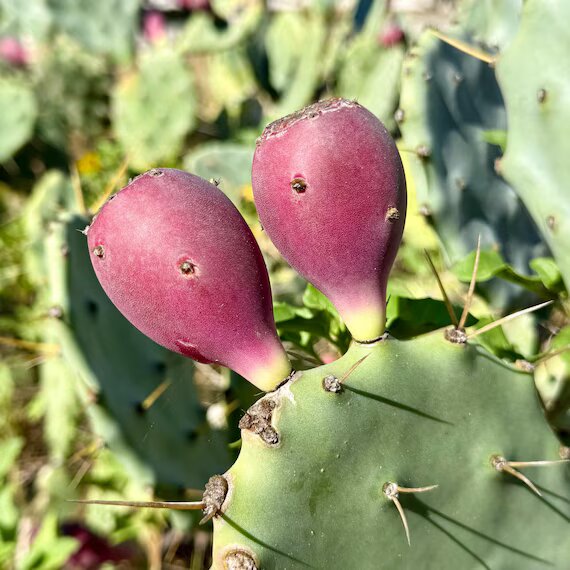
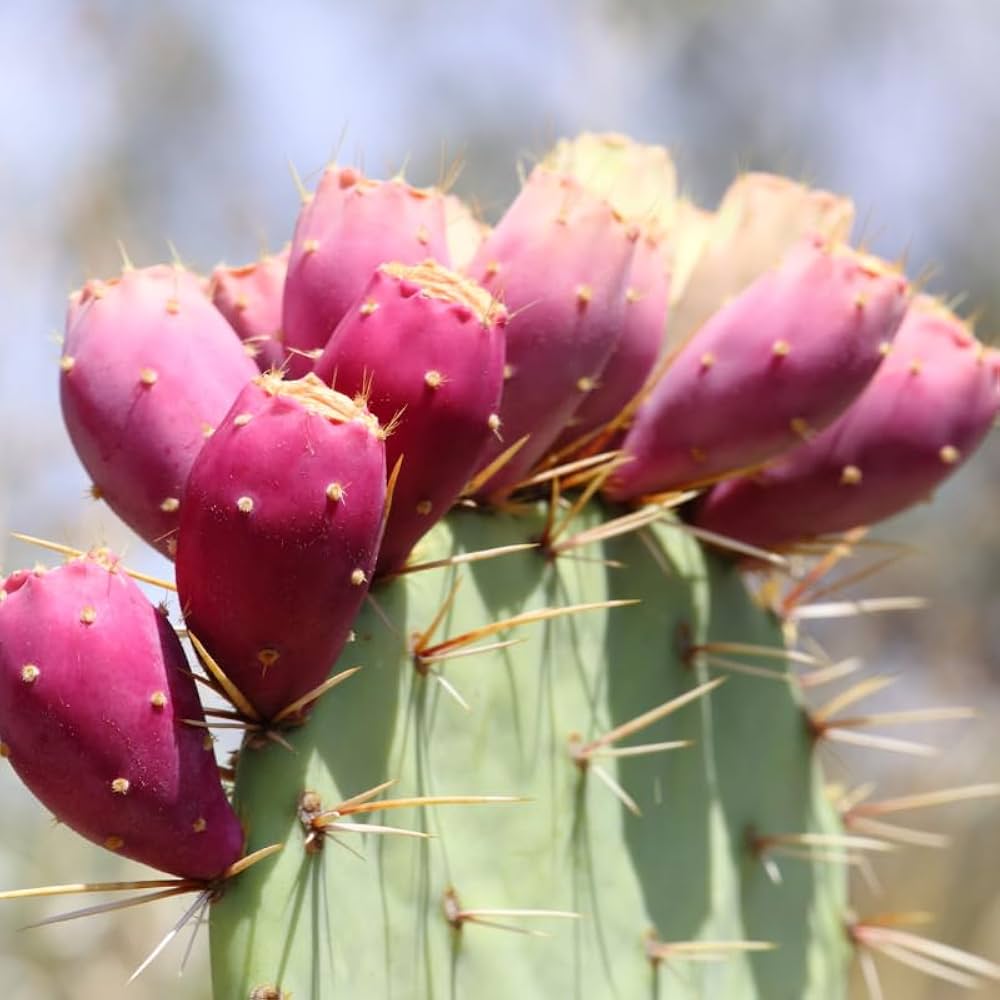
- Develops edible-looking pear-shaped fruits on mature plants, depending on species and growing conditions
Growing Benefits
- Adds bold architectural texture to sunny garden spaces
- Well suited to gardeners interested in drought-tolerant plants
- Can be grown in suitable containers or outdoor landscapes
- Offers seasonal flowers and distinctive cactus growth
- Provides an interesting long-term growing project from seed
Seed Specifications
Common Name: Prickly Pear Cactus
Botanical Name: Opuntia spp.
Plant Type: Perennial cactus
Colors: Green pads; flowers may be yellow, orange, pink, red, or other shades depending on species
Height: Varies considerably by Opuntia species and growing conditions
Sunlight: Full sun
Soil: Very well-draining, sandy or gritty cactus soil
Water: Water thoroughly after the soil dries; reduce watering during cool or dormant periods
Germination Time: Variable; commonly several weeks, with conditions and seed preparation affecting results
Sowing Depth: Very shallow; lightly cover with a thin layer of growing medium
Spacing: Provide enough room for seedlings to develop without crowding
Growing Zones: Varies by species; many Opuntia types are suited to warm climates, while some tolerate cooler conditions
Flowering/Maturity: Flowering generally occurs after plants become established and mature; timing varies by species and climate
Uses: Cactus gardens, rock gardens, xeriscaping, containers, desert-style landscapes, and ornamental planting
Growing Tips
- Use a gritty, fast-draining seed-starting mix to help prevent excess moisture around seeds.
- Keep the growing medium lightly moist during germination rather than constantly wet.
- Provide bright light and gradually introduce young seedlings to stronger direct sunlight.
- Handle mature plants carefully because many prickly pear varieties have sharp spines and glochids.
Seed Storage
Store unused seeds in a cool, dry, dark place in a sealed container or moisture-resistant packet. Keep them away from humidity, heat, and direct sunlight. Label the container with the variety and storage date.
Unique Facts About Seeds
- Prickly pear belongs to the Opuntia genus, which contains many different cactus species.
- Opuntia seeds have a hard outer coating, and gentle scarification or suitable seed preparation can help encourage germination.
- Prickly pear plants are recognized for their flattened, paddle-like stem segments called cladodes.
- Depending on the species, mature plants can produce colorful flowers followed by pear-shaped fruits