


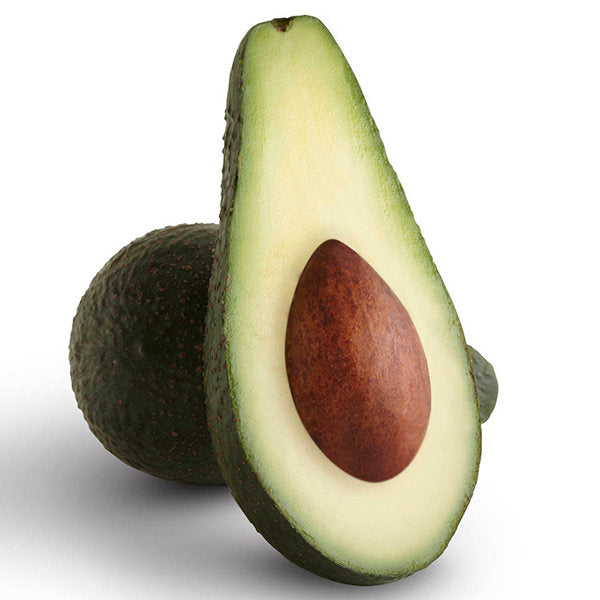
Grow your own avocado plant with Pinkerton avocado fruit seeds. The Pinkerton avocado is known for its green, pear-shaped fruit, creamy flesh, and relatively small seed compared with many other avocado varieties. This evergreen fruit tree thrives in warm conditions with plenty of sunlight and well-drained soil. It is suitable for home gardens and larger outdoor growing spaces in climates that support avocado cultivation. Seed-grown plants may vary from the parent variety and can take several years to produce fruit.
Key Features
-
Variety: Pinkerton avocado, a named avocado cultivar valued for its fruit.
-
Fruit Appearance: Green, pear-shaped avocados with creamy flesh when mature.
-
Plant Characteristics: Evergreen tree with broad, green leaves in suitable climates.
-
Garden Use: Suitable for warm-climate home gardens and outdoor fruit-growing spaces.
-
Growing Requirements: Prefers warmth, sunlight, consistent moisture, and well-drained soil.
Growing Benefits
-
Grow an attractive evergreen fruit tree in a suitable warm climate.
-
Enjoy the experience of raising an avocado plant from seed.
-
Add leafy greenery and long-term interest to your garden.
-
Learn about fruit tree care through hands-on gardening.
-
Create a rewarding gardening project for patient home growers.
Seed Specifications
-
Common Name: Pinkerton Avocado
-
Botanical Name: Persea americana
-
Plant Type: Evergreen fruit tree.
-
Colors: Green fruit with pale green to yellow-green flesh; green foliage.
-
Height: Mature trees can reach several metres; final height depends on climate, growing conditions, and pruning.
-
Sunlight: Full sun is preferred.
-
Soil: Well-drained, fertile soil; avoid waterlogged conditions.
-
Water: Regular watering during establishment, with reduced frequency once established according to soil moisture.
-
Germination Time: Variable; depends on seed freshness, temperature, and growing conditions.
-
Sowing Depth: Plant the fresh seed in moist potting mix with its upper portion slightly exposed.
-
Spacing: Allow generous room for a mature spreading tree; spacing depends on pruning and growing conditions.
-
Growing Zones: Best suited to frost-free tropical and subtropical climates; exact suitability varies by local conditions.
-
Flowering/Maturity: Flowering and fruiting times vary. Seed-grown trees may take five to thirteen years or longer to produce fruit.
-
Uses: Home gardening, ornamental greenery, and potential fruit production in suitable climates.
Growing Tips
-
Choose Fresh Seeds: Sow a fresh avocado seed soon after removing it from the fruit, as viability declines during storage.
-
Ensure Good Drainage: Use a loose, well-draining potting mix to protect delicate roots from excess moisture.
-
Provide Warmth: Keep the seed and young plant in a warm location with bright light.
-
Protect Young Plants: Shield seedlings from frost, harsh winds, and intense midday heat while they establish.
Seed Storage
Avocado seeds are best planted fresh rather than stored for extended periods. If sowing must be delayed briefly, keep the seed in a cool, slightly moist environment and avoid letting it dry out completely. Do not leave it submerged in water or sealed in a wet container, as decay can occur. For best results, sow soon after removing the seed from the fruit.
Unique Facts About Pinkerton Avocado Seeds
-
Small Seed, Generous Flesh: Pinkerton fruit is known for its relatively small seed and creamy edible flesh.
-
Distinctive Fruit Shape: The fruit often has an elongated, pear-like shape with a noticeable neck.
-
Named Cultivar: Pinkerton originated as a seedling in California and became a recognized avocado cultivar.
-
Seedlings May Differ: A plant grown from a Pinkerton seed may not retain the exact fruit quality or characteristics of the parent tree because avocado seeds result from cross-pollination.