


Key Features
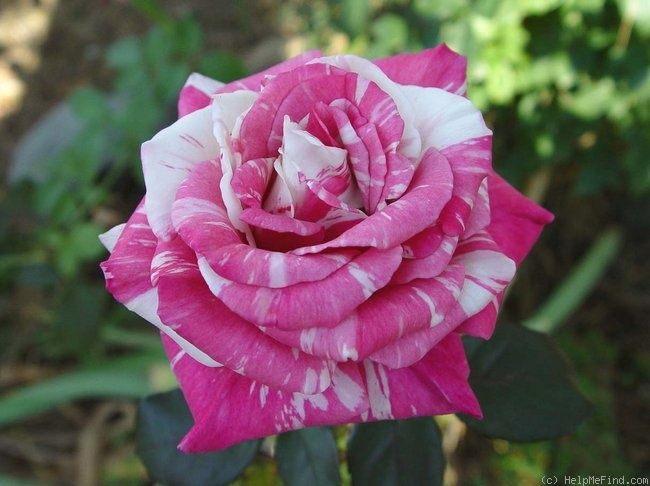
- Produces attractive pink blooms featuring distinctive white striping and variegated patterns.
- Rose-type flowers create an elegant focal point in ornamental garden displays.
- Suitable for flower beds, borders, cottage gardens, containers, and decorative landscapes.
- Green foliage complements the colorful blooms and enhances overall garden appeal.
- A distinctive choice for gardeners who enjoy unusual pink-and-white floral patterns.
Growing Benefits
- Adds unique pink-and-white color to home flower gardens.
- Creates an eye-catching focal point among mixed ornamental plantings.
- Suitable for decorative beds, borders, containers, and cottage-style gardens.
- Offers an interesting flower form for gardeners seeking unusual varieties.
- Provides attractive blooms for enjoying throughout the flowering season.
Seed Specifications
- Common Name: Pink White Stripe Rose
- Botanical Name: Rosa spp. — exact cultivar may vary
- Plant Type: Flowering perennial shrub
- Colors: Pink with white stripes or variegated markings
- Height: Varies by rose variety; often about two to six feet
- Sunlight: Full sun
- Soil: Fertile, well-drained soil enriched with organic matter
- Water: Regular, moderate watering with good drainage
- Germination Time: Rose seeds can take several weeks to germinate after proper stratification
- Sowing Depth: Sow shallowly, about one-quarter inch deep
- Spacing: Allow approximately two to four feet depending on mature plant size
- Growing Zones: Varies by cultivar; many garden roses grow well in USDA Zones five through nine
- Flowering/Maturity: Usually flowers during the growing season after plants become established
- Uses: Flower beds, borders, cottage gardens, containers, ornamental landscapes, and cut flowers
Growing Tips
- Provide a sunny planting location with good air circulation around plants.
- Use well-draining soil to reduce the risk of excessive moisture around roots.
- Keep young seedlings evenly moist without allowing the soil to remain soggy.
- Give developing plants enough space for healthy growth and airflow.
Seed Storage
Store unused rose seeds in a cool, dry, dark location. Keep them sealed in an airtight container or original packet and protect them from heat, humidity, and direct sunlight.
Unique Facts About Seeds
- Rose seeds are commonly called rose hips when enclosed inside the fruit produced after flowering.
- Many rose seeds require a period of cold, moist stratification before they will germinate.
- Seed-grown roses may differ from their parent plant, particularly when the seeds come from hybrid roses.
- Rose flowers belong to the genus Rosa, which contains many species and cultivated garden varieties.