


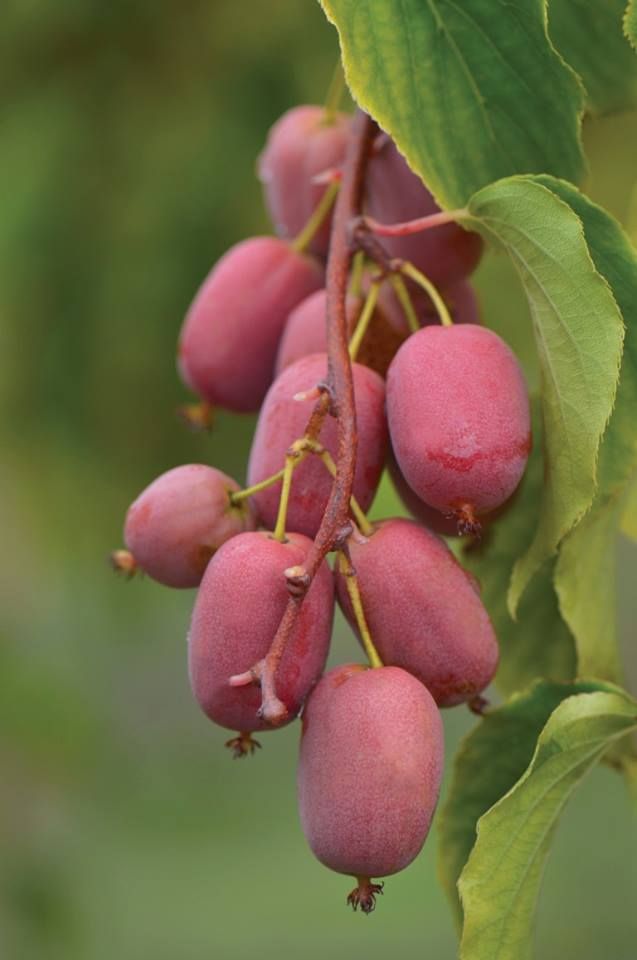
Key Features
- Attractive kiwi vine with distinctive pink-toned fruit characteristics
- Vigorous climbing growth suitable for sturdy trellises and garden supports
- Produces attractive foliage and fragrant flowers during the growing season
- Suitable for edible landscaping, backyard gardens, and fruit-growing projects
- A rewarding choice for gardeners interested in growing kiwi from seed
Growing Benefits
- Adds an attractive fruiting vine to edible garden spaces
- Provides an enjoyable seed-to-plant growing experience for home gardeners
- Can be trained along trellises, fences, pergolas, or sturdy supports
- Combines ornamental foliage with the potential for homegrown fruit
- Encourages long-term garden planning and perennial fruit cultivation
Seed Specifications
Common Name: Pink Kiwi, Kiwi Fruit
Botanical Name: Actinidia species or cultivar; exact identity depends on the seed source
Plant Type: Woody, deciduous climbing fruit vine
Colors: Green foliage; fruit color varies by cultivar and may include pink or red flesh
Height: Can become a large climbing vine when mature and properly supported
Sunlight: Full sun to partial shade, with good sunlight preferred for fruit production
Soil: Fertile, well-drained, moisture-retentive soil with good organic matter
Water: Regular, consistent moisture; avoid prolonged waterlogging
Germination Time: Variable; kiwi seeds can take several weeks under suitable conditions
Sowing Depth: Shallow sowing, with seeds lightly covered
Spacing: Provide generous spacing between vines and room for trellis development
Growing Zones: Varies considerably with the Actinidia species or cultivar
Flowering/Maturity: Flowers generally appear before fruit development; fruiting time varies by cultivar and growing conditions
Uses: Edible landscaping, home fruit gardens, trellises, pergolas, fences, and ornamental garden structures
Growing Tips
- Use a clean, well-draining seed-starting medium and avoid burying the tiny seeds deeply.
- Keep the growing medium evenly moist while avoiding standing water around the seeds.
- Provide bright light after seedlings emerge to encourage compact, healthy growth.
- Give established vines a strong trellis or support capable of carrying mature growth.
Seed Storage
Store unused seeds in a cool, dry place away from direct sunlight and moisture. Keep them in a sealed, moisture-resistant container and avoid areas exposed to heat or humidity. Label the container with the seed name and storage date.
Unique Facts About the Seeds
- Kiwi belongs to the genus Actinidia, a group of woody climbing plants.
- Kiwi fruits contain numerous small seeds embedded throughout the fleshy fruit.
- Different Actinidia species vary greatly in fruit size, skin, flesh color, cold tolerance, and pollination requirements.
- Some kiwi types have ornamental value as well as edible fruit, making them useful for garden structures and edible landscapes.