Skip to product information
1 of 3

EdenValleySeeds

Parsnip Vegetable Seeds for Planting – Heirloom Garden Seeds for Home Growing

Parsnip Vegetable Seeds for Planting – Heirloom Garden Seeds for Home Growing

No reviews yet
Regular price $16.99 USD
Regular price Sale price $16.99 USD
Sale Sold out
size
Quantity
Free shipping on every order Order today and estimated delivery is Sep 15 – Sep 18
Ordered Aug 31
Order Ready Sep 02 – Sep 04
Delivered Sep 15 – Sep 18
✓ Secure checkout ✓ Carefully packed seeds ✓ Tracked delivery ✓ Quality-focused selection

Bundle & Save

Choose a bundle to unlock savings

Up to 20% off

Select a bundle to see your savings

View full details

Key Features

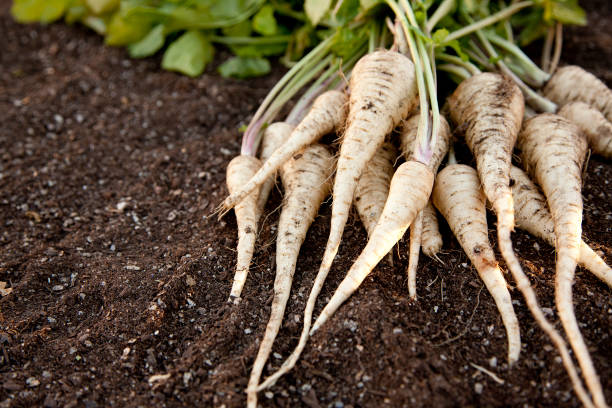
  • Cool-season root vegetable producing long, creamy-white edible roots.
  • Develops attractive green foliage above the soil with flavorful roots below.
  • Sweet, earthy flavor becomes richer after exposure to cool temperatures.
  • Ideal for vegetable gardens, raised beds, kitchen gardens, and containers with sufficient depth.
  • A classic root crop valued for its distinctive flavor and winter garden performance.

Growing Benefits

  • Enjoy fresh, homegrown parsnips with a naturally sweet, earthy flavor.
  • Adds variety to vegetable gardens and cool-season crop rotations.
  • Stores well after harvest when handled under suitable conditions.
  • Provides an excellent option for gardeners exploring traditional root vegetables.
  • Suitable for roasting, soups, stews, mashing, and other homemade dishes.

Seed Specifications

  • Common Name: Parsnip
  • Botanical Name: Pastinaca sativa
  • Plant Type: Biennial root vegetable, commonly grown as an annual
  • Colors: Creamy-white roots with green foliage
  • Height: About eighteen to thirty-six inches
  • Sunlight: Full sun
  • Soil: Deep, loose, fertile, well-drained soil
  • Water: Regular and consistent moisture
  • Germination Time: Usually fourteen to twenty-eight days
  • Sowing Depth: About one-half inch deep
  • Spacing: Thin seedlings to about three to six inches apart
  • Growing Zones: Generally USDA Zones two through nine
  • Flowering/Maturity: Usually about one hundred to one hundred twenty days; flowering occurs in the second growing season if roots are left in the ground
  • Uses: Fresh eating, roasting, soups, stews, mashing, and winter vegetable gardens

Growing Tips

  • Use fresh seed each season because parsnip seed viability declines relatively quickly.
  • Keep the seedbed evenly moist throughout the extended germination period.
  • Prepare deep, stone-free soil so developing roots can grow straight and smoothly.
  • Avoid disturbing young roots when thinning or removing nearby weeds.

Seed Storage

Keep unused parsnip seeds in their original sealed packet or an airtight container. Store them in a cool, dry, dark location away from heat and moisture. For best results, use fresh seed rather than storing it for many years.

Unique Facts About Seeds

  • Parsnips are biennial plants, but gardeners normally harvest the roots during their first growing season.
  • Cool temperatures can encourage parsnip roots to develop a sweeter, richer flavor.
  • Parsnips are related to carrots and belong to the Apiaceae family.
  • If left to overwinter and mature, parsnip plants can produce tall flowering stems and seed during their second season.

Growing Instructions

Planting Season: Sow parsnips directly outdoors in early spring as soon as the soil can be worked. In mild climates, they can also be sown in late summer for a cool-season or overwintering crop.

Sowing: Direct sowing is recommended because parsnips develop a long taproot that can be damaged during transplanting. Prepare a fine, weed-free seedbed before sowing.

Depth: Sow seeds approximately one-half inch deep and cover lightly with fine soil.

Spacing: Sow seeds in rows and thin emerging seedlings to approximately three to six inches apart. Leave adequate space between rows for weeding and root development.

Sunlight: Choose a location receiving full sun. Parsnips can tolerate some light shade, but good sunlight supports healthy foliage and root development.

Soil: Use deep, loose, fertile, well-drained soil free from large stones and compacted areas. Avoid freshly manured soil, which can encourage irregular root growth.

Watering: Keep the seedbed consistently moist from sowing through germination. Continue regular watering throughout growth, particularly during dry periods.

Germination: Parsnip seeds can take approximately fourteen to twenty-eight days to germinate. Maintaining consistent soil moisture is especially important during this period.

Transplanting: Direct sowing is preferred. Avoid transplanting established seedlings because disturbing the developing taproot can lead to misshapen roots.

Fertilizing: Work well-aged compost into the soil before planting. A balanced vegetable fertilizer can be used when needed, following the product's application directions.

Care: Keep the growing area free from weeds, especially while seedlings are small. Mulching around established plants can help conserve soil moisture and reduce weed competition.

Flowering/Maturity: Parsnips generally require a long growing period, often around one hundred to one hundred twenty days. Roots can be harvested once they reach a useful size and may develop sweeter flavor after exposure to cool weather. If left in the ground through winter, plants can flower and produce seed during their second growing season.