


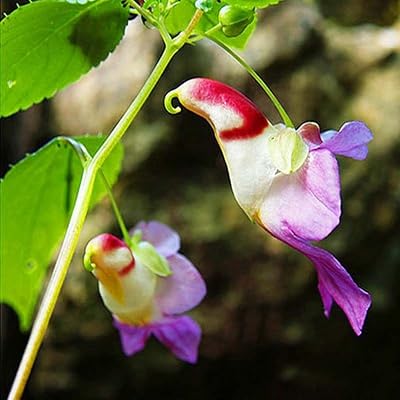
Key Features
- Exotic orchid variety admired for its unusual parrot-like flower shape.
- Features distinctive blooms with rich red, purple, pink, and white tones.
- Compact ornamental growth is suitable for containers and sheltered garden spaces.
- Creates an eye-catching display for orchid collections and tropical-themed gardens.
- An unusual choice for gardeners who enjoy rare-looking ornamental flowers.
Growing Benefits
- Adds an exotic tropical appearance to plant collections.
- Makes an attractive focal point in sheltered growing areas.
- Suitable for gardeners interested in unusual orchid varieties.
- Provides an engaging growing project for patient gardeners.
- Complements other tropical and ornamental plants beautifully.
Seed Specifications
Common Name: Parrot Orchid
Botanical Name: Impatiens psittacina
Plant Type: Herbaceous flowering plant
Colors: Red, purple, pink, and white
Height: Approximately 60–90 cm
Sunlight: Bright filtered light or partial shade
Soil: Rich, fertile, well-draining soil
Water: Regular moisture without waterlogging
Germination Time: Variable; orchid-like and specialty seeds may germinate slowly
Sowing Depth: Surface sow or barely cover with fine growing medium
Spacing: Allow adequate room for mature plants and airflow
Growing Zones: Best suited to warm, frost-free climates; commonly grown as a container plant in cooler areas
Flowering/Maturity: Flowering time varies with climate and growing conditions
Uses: Containers, sheltered gardens, tropical displays, ornamental collections, and specialty plantings
Growing Tips
- Use a warm, humid location with bright filtered light.
- Choose a loose growing medium that drains freely.
- Keep the growing medium lightly and consistently moist.
- Protect young plants from cold temperatures and harsh direct sunlight.
Seed Storage
Keep unused seeds sealed in a dry, cool, dark location away from humidity and direct sunlight. Label the container with the plant name and store seeds until the appropriate sowing season.
Unique Facts About Seeds
- The Parrot Orchid is commonly associated with Impatiens psittacina, a distinctive species in the balsam family.
- Its flowers are famous for their unusual resemblance to a flying parrot.
- The species is native to parts of Southeast Asia, including Thailand, Myanmar, and India.
- Its unusual flower form makes it particularly interesting to collectors of specialty ornamental plants