Skip to product information
1 of 3

EdenValleySeeds

Osage Orange Fruit Seeds for Planting – Heirloom Non-GMO Garden Seeds

Osage Orange Fruit Seeds for Planting – Heirloom Non-GMO Garden Seeds

No reviews yet
Regular price $18.89 USD
Regular price Sale price $18.89 USD
Sale Sold out
Size
Quantity
DELIVERY ESTIMATE
Oct 21 – Oct 23 Estimated arrival
ORDER Oct 11 Order placed
ORDER READY Oct 13 – Oct 14 2–3 business days
DELIVERED Oct 21 – Oct 23 10–12 business days total
Carefully packed and tracked from dispatch to delivery.
Secure checkout Carefully packed seeds Tracked delivery Quality-focused selection
View full details

Key Features

  • Grow the distinctive Osage orange tree from seed

  • Produces glossy green foliage and a rugged, spreading form

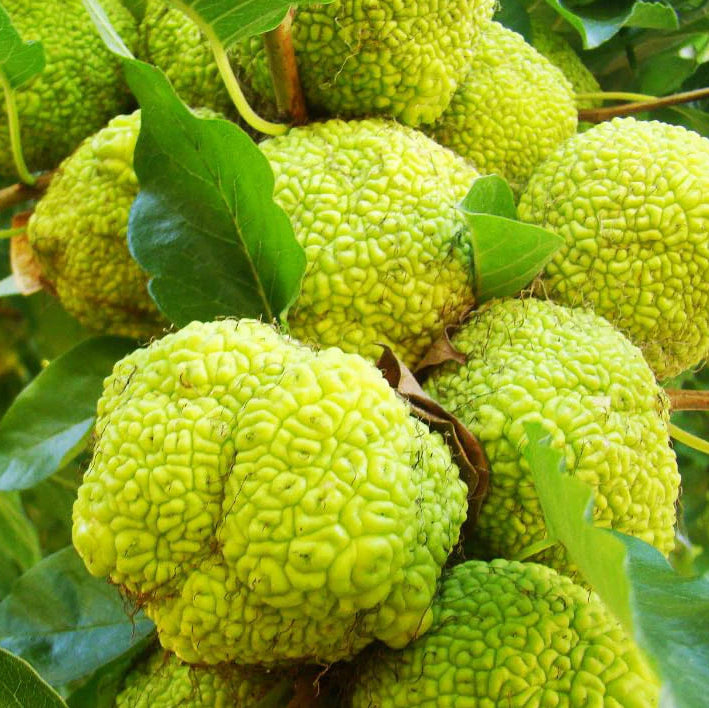
  • Develops unusual round, wrinkled green fruiting structures

  • Excellent choice for large landscapes, native plant collections, and specimen planting

  • A fascinating long-term tree-growing project for gardeners

Growing Benefits

  • Adds distinctive character and structure to larger landscapes

  • Provides attractive green foliage throughout the growing season

  • Creates an interesting specimen tree for plant collections

  • Offers a rewarding experience from seed to established tree

  • Well suited to gardeners interested in unusual North American trees

Seed Specifications

  • Plant Type: Deciduous woody tree

  • Botanical Name: Maclura pomifera

  • Fruit Color: Green to yellow-green, with large rounded and textured fruiting structures

  • Growth Habit: Spreading, thorny tree with dense branching

  • Garden Use: Large landscapes, specimen planting, native plant collections, wildlife-friendly spaces, and tree collections

Growing Tips

  • Select a spacious planting site because mature Osage orange trees can become large and heavily branched.

  • Provide full sun and well-draining soil for strong growth.

  • Keep young seedlings evenly watered while their root systems develop.

  • Use caution around mature branches and thorns, particularly when planting near paths or frequently used areas.

Seed Storage

Store seeds in a cool, dry location away from direct sunlight, excessive heat, and humidity. Protect seeds from moisture fluctuations until ready for planting. Follow appropriate dormancy-preparation guidance for best germination.

Unique Facts About Seeds

  • Osage orange is scientifically known as Maclura pomifera and belongs to the mulberry family, Moraceae.

  • The species is native to parts of the south-central United States.

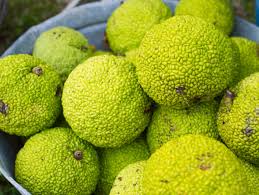
  • Its unusual round fruit can resemble a large green-orange and has a bumpy, brain-like surface.

  • The tree is known for tough wood, dense branching, and prominent thorns on many plants.

  • Osage orange is primarily valued as an ornamental, landscape, and specialty tree rather than as a conventional edible fruit tree.

  • Seed-grown trees can vary naturally in growth form and other characteristics.

Growing Instructions

Planting Season: Sow during a suitable growing season after preparing the seeds for their natural dormancy requirements. In colder regions, spring planting is often convenient.

Sowing: Place seeds in a well-draining seed-starting medium after appropriate preparation. Keep the medium evenly moist without creating standing water.

Planting Depth: Cover seeds lightly with approximately one to two seed-widths of growing medium.

Spacing: Start seedlings with adequate room for root development and transplant them to a spacious permanent location as they become established.

Sunlight: Provide full sun for vigorous growth and a strong developing canopy.

Soil: Use fertile, well-draining soil. Osage orange is adaptable but performs best where excess water can drain away.

Watering: Maintain consistent moisture during germination and early establishment. Once established, water according to local rainfall and soil conditions.

Germination: Seeds can exhibit dormancy, so germination may be uneven. Appropriate pretreatment can help improve emergence.

Transplanting: Transplant young seedlings carefully once they have developed a healthy root system. Avoid unnecessary root disturbance.

Fertilizing: Maintain reasonably fertile soil and provide nutrients only when needed according to soil conditions and plant growth.

Care: Keep weeds away from young trees and protect seedlings from physical damage. Consider the mature tree's thorny branching when selecting its permanent location.

Maturity: Osage orange is a long-lived tree that develops gradually. Allow plenty of room for its mature canopy and branching structure.