


Key Features
- Classic cool-season radish suitable for home vegetable gardens
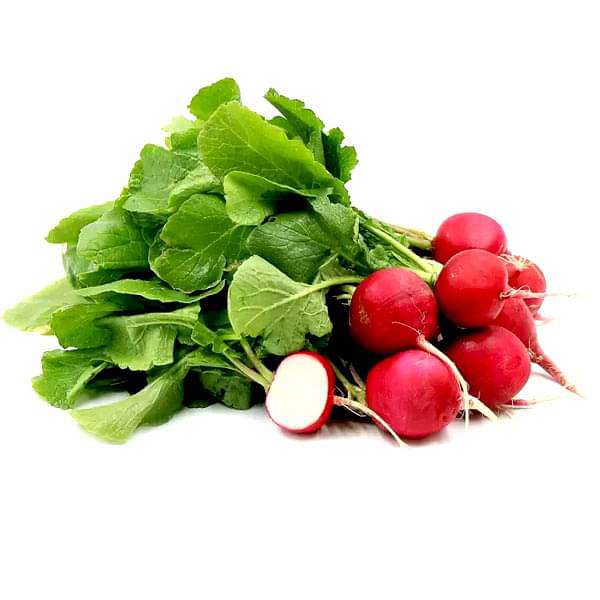
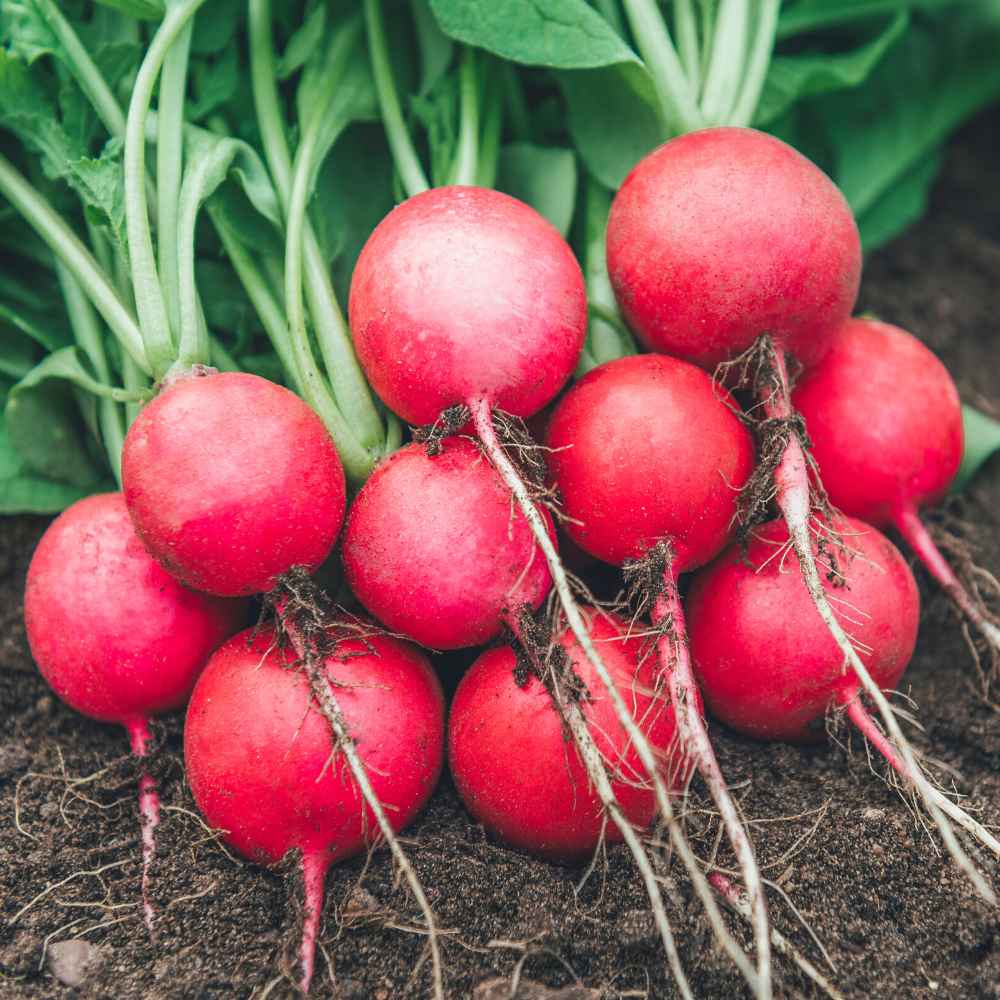
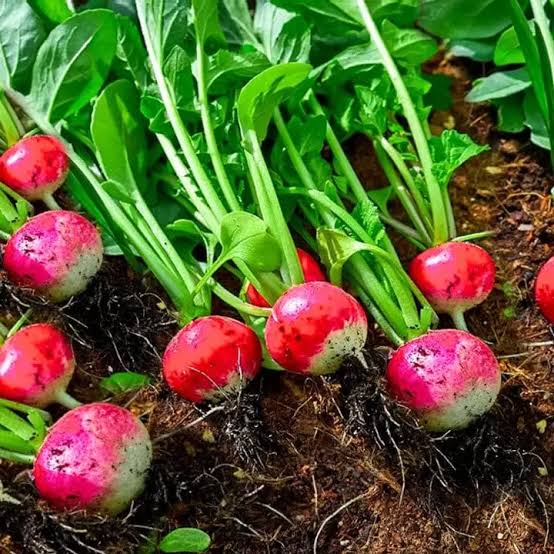
- Crisp, quick-growing roots with color and shape varying by cultivar
- Compact plants work well in raised beds, garden rows, and containers
- Ideal for succession sowing to enjoy fresh radishes throughout the season
- Edible roots offer a fresh, peppery addition to salads and meals
Growing Benefits
- Enjoy the satisfaction of growing fresh radishes from seed
- Excellent choice for beginner-friendly vegetable gardening
- Fits easily into small gardens, raised beds, and containers
- Short growing periods allow flexible sowing during cool weather
- Freshly harvested roots add crisp texture and flavor to meals
Seed Specifications
- Common Name: Radish
- Botanical Name: Raphanus sativus
- Plant Type: Cool-season annual root vegetable
- Colors: Red, pink, white, purple, black, or bicolored depending on cultivar
- Height: Typically compact, with foliage height varying by variety
- Sunlight: Full sun to partial shade
- Soil: Loose, fertile, well-draining soil
- Water: Consistent moisture without waterlogging
- Germination Time: Usually several days to about two weeks
- Sowing Depth: Shallow sowing, approximately one-half inch deep
- Spacing: Thin seedlings according to the mature root size of the cultivar
- Growing Zones: Broadly adaptable across USDA Zones two through eleven, with seasonal timing adjusted for local temperatures
- Flowering/Maturity: Commonly ready for harvest within a few weeks, while flowering occurs later if roots are left to mature
- Uses: Fresh salads, garnishes, vegetable dishes, pickling, containers, raised beds, and home kitchen gardens
Growing Tips
- Sow directly into loose soil because radishes generally dislike root disturbance.
- Keep the soil evenly moist during germination and root development.
- Thin crowded seedlings early to encourage well-shaped roots.
- Harvest promptly when roots reach the preferred size for the cultivar.
Seed Storage
Store unused seeds in a cool, dry, dark location away from humidity and direct sunlight. Keep them in a tightly sealed packet or airtight container. Label the container with the variety and storage date, and avoid storing seeds in areas exposed to temperature fluctuations or moisture.
Unique Facts About Seeds
- Radishes belong to the Brassicaceae family, which also includes cabbage, broccoli, and turnips.
- Radish roots develop underground while their leafy tops grow above the soil.
- Radishes are cool-season crops and may become more pungent or bolt during prolonged hot weather.
- If left to flower, radish plants can produce seed pods containing future seeds.