


Key Features
-
Plant Variety: Oregon Coast Angelica, a perennial herb native to the Pacific Northwest.
-
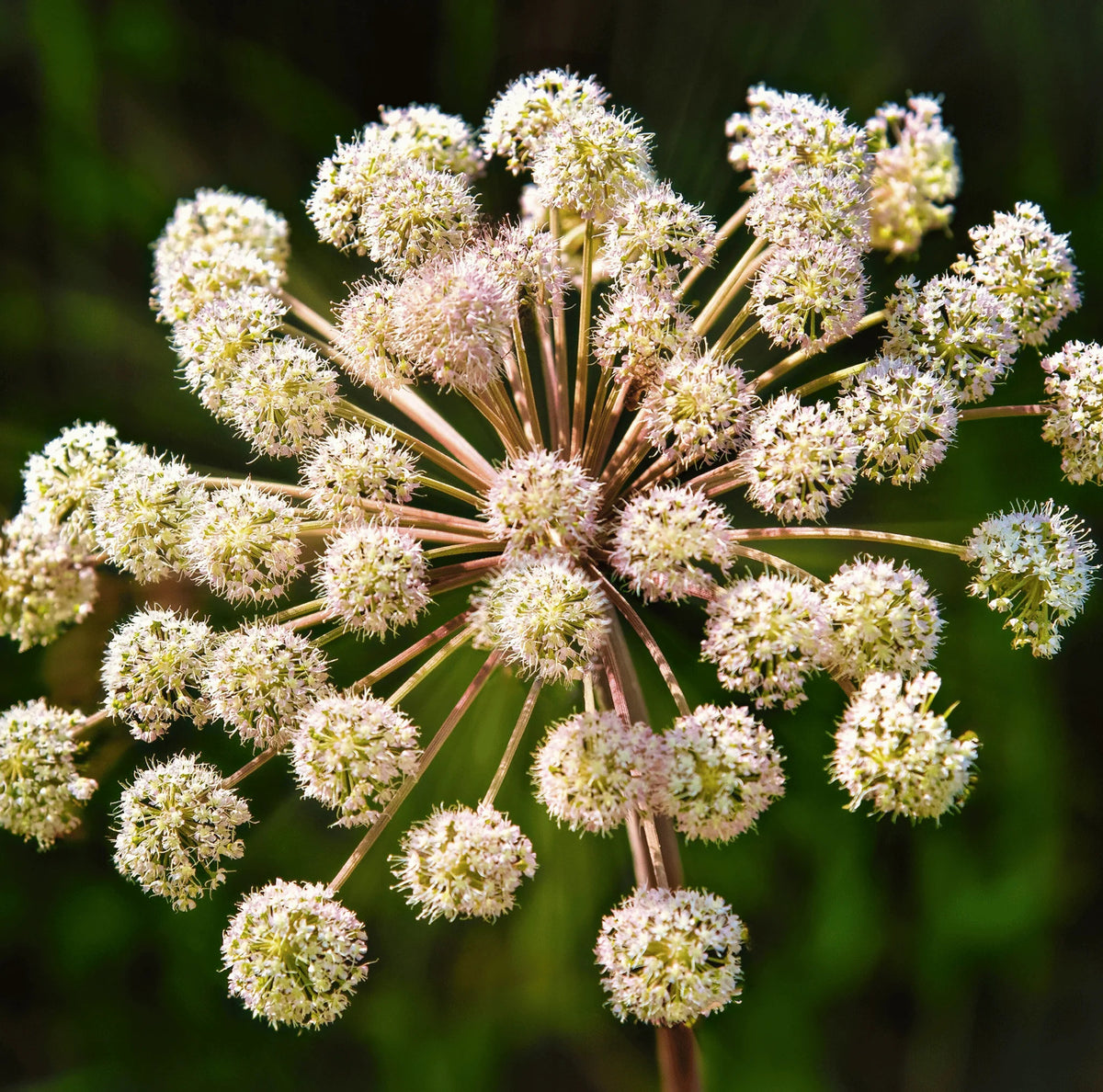
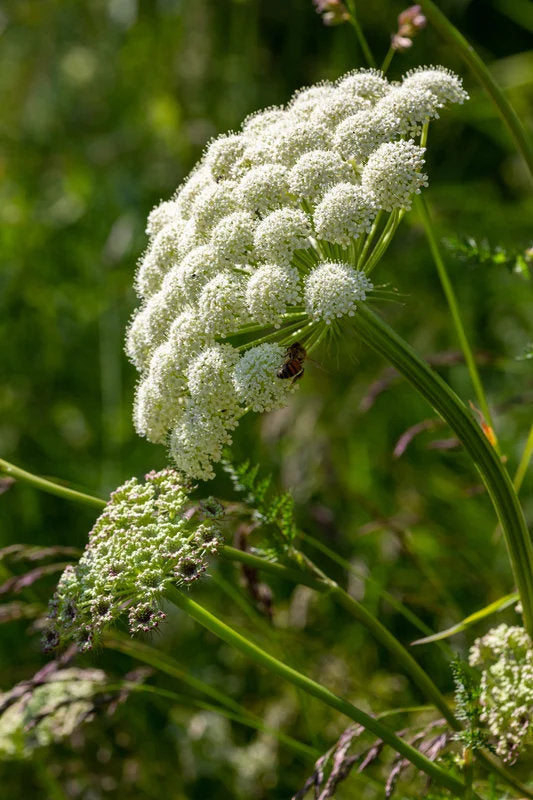
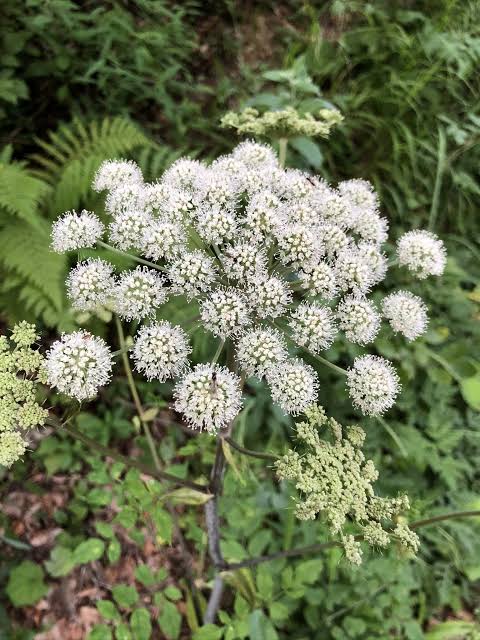
Flower Color: Clusters of small white to creamy flowers.
-
Plant Characteristics: Upright growth with large, divided leaves and sturdy flowering stems.
-
Garden Uses: Suitable for native plant gardens, coastal landscapes, and pollinator-friendly planting areas.
-
Natural Habitat: Adapted to coastal environments, including moist woodland edges and shaded areas.
Growing Benefits
-
Adds a distinctive native plant to coastal and woodland-inspired gardens.
-
Provides seasonal flowers that can attract bees and other pollinating insects.
-
Brings bold foliage and natural structure to suitable garden spaces.
-
Supports native planting projects when grown within its appropriate ecological range.
-
Offers an opportunity to learn about Pacific Northwest coastal plant diversity.
Seed Specifications
-
Common Name: Oregon Coast Angelica, Henderson's Angelica
-
Botanical Name: Angelica hendersonii
-
Plant Type: Perennial herb
-
Colors: Green foliage with white to creamy flower clusters.
-
Height: Variable; mature plants can grow several feet tall under favorable conditions.
-
Sunlight: Full sun to partial shade.
-
Soil: Moist, well-drained soil suited to coastal native plants.
-
Water: Regular moisture, particularly during establishment.
-
Germination Time: Variable; reliable species-specific timing is not established. Fresh seed and suitable pretreatment may improve results.
-
Sowing Depth: Sow on the surface or cover very lightly, following supplier guidance.
-
Spacing: Allow ample room for mature foliage; spacing depends on the growing site.
-
Growing Zones: Native to California, Oregon, and Washington; local suitability depends on climate and conditions.
-
Flowering/Maturity: White flower clusters typically appear in the warmer months; timing varies with location and plant maturity.
-
Uses: Native landscaping, coastal gardens, pollinator habitat, and botanical interest. Historical traditional uses are not evidence of medical effectiveness.
Growing Tips
-
Choose a site with moist soil and good drainage.
-
Sow fresh seeds when possible, as angelica seeds may lose viability during storage.
-
Keep the seedbed evenly moist while waiting for germination.
-
Transplant seedlings while small to reduce disturbance to their developing roots.
Seed Storage
Angelica seeds are best sown fresh when possible. If storage is necessary, keep them in a clearly labeled, sealed container in a cool, dry place away from sunlight and humidity. Seed viability can decline during prolonged storage, so follow any supplier-specific instructions.
Unique Facts About the Seeds
-
Native coastal species: Angelica hendersonii occurs naturally along the Pacific coast of western North America.
-
Distinctive foliage: Its leaves are divided into rounded, toothed leaflets, with a woolly texture on their undersides.
-
Pollinator value: Its small flowers provide pollen and nectar for a range of visiting insects.
-
Traditional knowledge: Indigenous communities have documented traditional uses of this plant; these historical practices should not be interpreted as proof of safety or medical effectiveness.