


Key Features
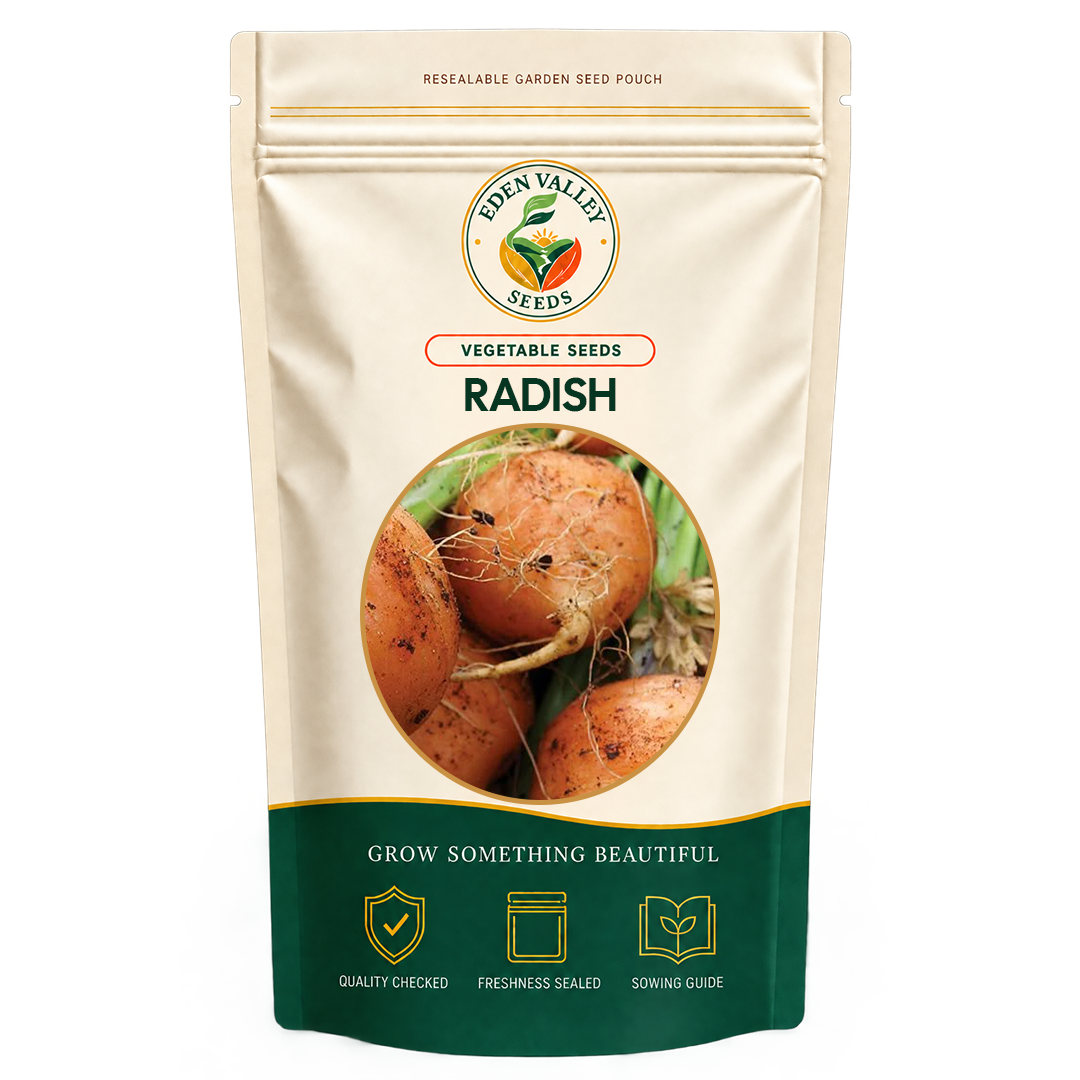
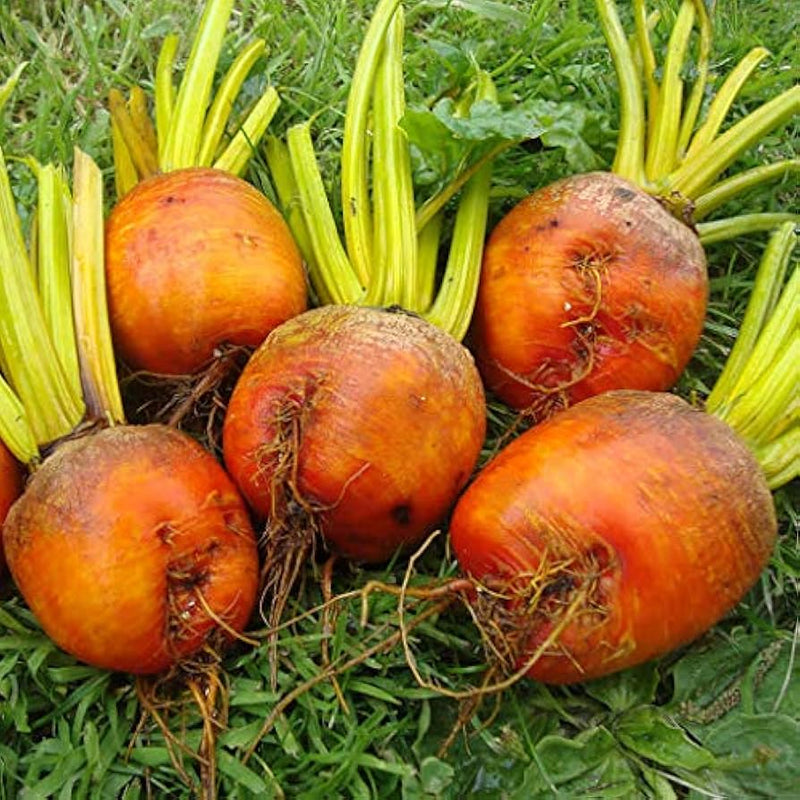
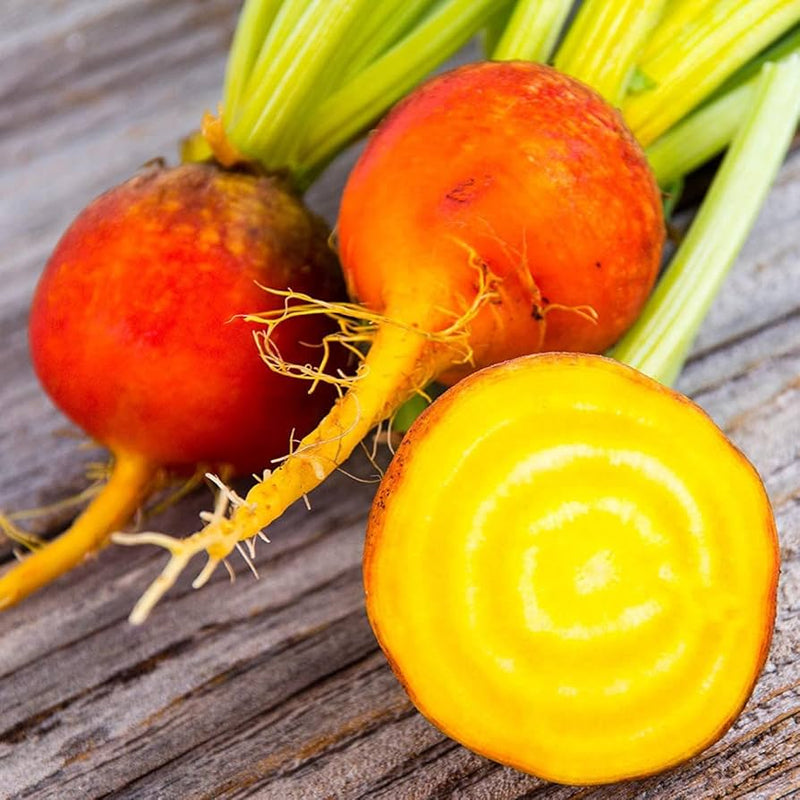
- Produces attractive orange-colored radish roots with crisp texture and mild peppery flavor.
- Cool-season vegetable with quick-growing roots and fresh green foliage.
- Excellent for home vegetable gardens, raised beds, containers, and kitchen gardens.
- Bright orange roots add appealing color to salads, vegetable trays, and fresh dishes.
- Easy-to-grow radish variety suitable for beginner and experienced gardeners.
Growing Benefits
- Enjoy freshly harvested radishes straight from your home garden.
- Adds vibrant orange color and visual interest to vegetable beds.
- Compact growth makes radishes suitable for containers and small gardens.
- Provides a rewarding cool-season crop for succession planting.
- Easy direct sowing makes radishes a convenient choice for beginners.
Seed Specifications
- Common Name: Orange Radish; Botanical Name: Raphanus sativus; Plant Type: Annual root vegetable.
- Colors: Orange roots with green foliage; Height: Compact leafy growth; Uses: Fresh eating, salads, garnishes, roasting, and pickling.
- Sunlight: Full sun to partial shade; Soil: Loose, fertile, well-draining soil; Water: Consistent moisture without waterlogging.
- Germination Time: Usually within several days to about a week under favorable conditions; Sowing Depth: Shallow; Spacing: Allow enough room for roots to develop fully.
- Growing Zones: Adaptable across many growing zones when planted during suitable cool weather; Flowering/Maturity: Primarily grown for edible roots, which mature relatively quickly; Uses: Home gardens, raised beds, containers, and kitchen gardens.
4 Growing Tips
- Sow seeds directly into loose soil because radishes generally dislike root disturbance.
- Keep the soil evenly moist during germination and root development.
- Thin crowded seedlings early so developing roots have sufficient space.
- Harvest roots promptly when they reach a desirable size for the best texture.
Seed Storage
Store unused Orange Radish Seeds in a cool, dry, and dark location. Keep them in an airtight container or sealed seed packet away from moisture, heat, and direct sunlight. Label the container with the variety and storage date.
Unique Facts About Seeds
- Radishes belong to the mustard family, Brassicaceae, along with cabbage, broccoli, and turnips.
- The familiar edible radish root is actually a swollen underground storage organ.
- Radish seeds can germinate quickly when provided with suitable moisture, temperature, and soil conditions.
- Radishes are commonly grown as cool-season crops and can be used for succession sowing.