


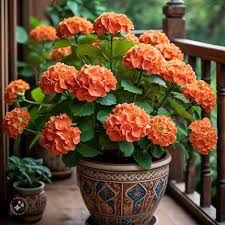
Grow Orange Hydrangea from heirloom non-GMO seeds for attractive ornamental blooms and lush foliage. Ideal for cottage gardens, borders, containers, woodland-style landscapes, patios, and pollinator-friendly garden spaces.
Key Features
- Produces showy clusters of ornamental flowers with warm color tones depending on variety.
- Heirloom, non-GMO flower seeds for home gardeners.
- Large, attractive foliage adds texture to garden landscapes.
- Ideal for borders, cottage gardens, containers, patios, and woodland-style spaces.
- Performs best in rich, well-drained soil with consistent moisture.
- Flowers can provide an attractive landing and nectar source for visiting pollinators.
Growing Benefits
- Adds bold floral interest and lush greenery to garden spaces.
- Creates a beautiful focal point in borders and cottage gardens.
- Suitable for containers when compact varieties are selected.
- Flowers can be enjoyed fresh or left on the plant for seasonal interest.
- Works well in mixed plantings with shade-loving and woodland garden plants.
Seed Specifications
- Common Name: Hydrangea
- Botanical Name: Hydrangea spp.
- Plant Type: Deciduous or evergreen shrub, depending on species
- Flower Color: Orange or warm-toned appearance depending on variety; color may vary with cultivar and growing conditions
- Flower Form: Rounded or cone-shaped flower clusters depending on species
- Foliage: Green, broad leaves
- Growth Habit: Upright, rounded, or spreading depending on species
- Sunlight: Partial shade to full sun depending on climate and species
- Soil: Moist, fertile, well-drained soil rich in organic matter
- Water: Moderate to high; maintain consistent moisture during active growth
- Germination Time: Approximately 14–30 days under favorable conditions
- Sowing Depth: Surface sow or cover very lightly
- Spacing: Approximately 3–6 feet depending on species and mature size
- Growing Zones: Generally USDA Zones 3–9 depending on species
- Flowering: Summer through fall depending on species and climate
- Uses: Cottage gardens, borders, woodland gardens, containers, patios, shrub beds, and ornamental landscapes
Growing Tips
- Hydrangea seeds are very small, so surface sowing or very light covering is recommended.
- Use a fine, well-drained seed-starting medium and keep it consistently moist.
- Provide bright, indirect light during germination.
- Protect young seedlings from drying out and extreme temperatures.
- Choose the planting location according to the specific hydrangea species.
- Give mature shrubs adequate space for their eventual size.
Seed Storage
Store unused seeds in a cool, dry, dark location. Keep them sealed in their original packet or an airtight container away from moisture, heat, and direct sunlight.
Important Growing Note
“Orange Hydrangea” is a descriptive product name rather than a single botanical species. Hydrangea flower colors and forms vary considerably among species and cultivars, and true orange blooms are uncommon. Seed-grown plants may also differ from the parent plant. Verify the botanical name and variety supplied with the seed packet before making specific color or growth claims.
Unique Facts
- Hydrangeas belong to the family Hydrangeaceae.
- Different hydrangea species produce different flower forms, including rounded mophead clusters and elongated panicles.
- Some hydrangea flower colors can change with cultivar, soil chemistry, and growing conditions, particularly certain blue and pink varieties.
- Hydrangea flowers can remain attractive after blooming and are often used in dried floral arrangements.