




Key Features
-
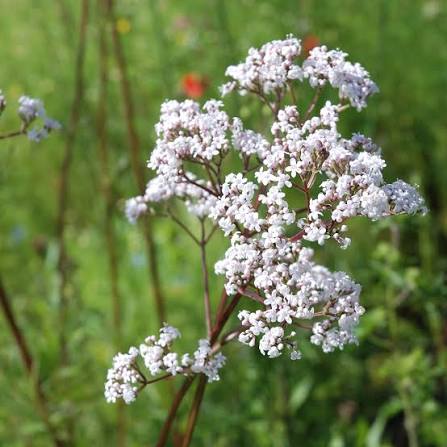
Fragrant White Flowers: Produces delicate white to pale pink blossoms with a distinctive floral fragrance.
-
Tall Upright Growth: Develops sturdy flowering stems that add vertical interest to ornamental borders.
-
Attractive Green Foliage: Features pinnately divided leaves with narrow, toothed leaflets.
-
Summer Flowering: Produces broad clusters of small flowers during late spring and summer.
-
Traditional Herb Garden Appeal: Complements cottage gardens, ornamental herb collections, and mixed perennial borders.
Growing Benefits
-
Elegant Floral Display: Soft white blossoms create a graceful summer garden appearance.
-
Natural Flower Fragrance: Flower clusters provide a distinctive scent during the blooming season.
-
Pollinator Attraction: Flowers attract bees, hoverflies, and other visiting insects.
-
Perennial Garden Structure: Established plants return during successive growing seasons in suitable climates.
-
Vertical Landscape Interest: Tall flowering stems complement lower-growing ornamental plants.
Seed Specifications
-
Common Name: Official Valerian, Common Valerian, Garden Valerian
-
Botanical Name: Valeriana officinalis
-
Plant Family: Caprifoliaceae
-
Type: Ornamental Flowering Garden Herb
-
Plant Classification: Herbaceous Perennial
-
Variety: Species Form; Cultivar Not Specified
-
Flower Color: White to Pale Pink
-
Flower Shape: Small Tubular Flowers
-
Flower Arrangement: Broad, Branching Flower Clusters
-
Flower Fragrance: Distinctive Sweet Floral Scent
-
Foliage Color: Medium Green
-
Leaf Shape: Pinnately Divided With Narrow, Toothed Leaflets
-
Plant Height: Approximately 3–5 Feet
-
Plant Spread: Approximately 1–3 Feet
-
Growth Habit: Upright, Clump Forming, Rhizomatous
-
Sunlight: Full Sun to Partial Shade
-
Soil: Fertile, Moist, Well-Draining Garden Soil
-
Soil pH: Slightly Acidic to Neutral
-
Water Requirements: Moderate; Consistent Moisture Preferred
-
Germination Time: Approximately 7–21 Days With Fresh Seeds Under Favorable Conditions; Variable
-
Germination Temperature: Approximately 65–70°F
-
Seed Preparation: Fresh Seeds Preferred; Cold Moist Stratification May Help
-
Sowing Depth: Surface Sow or Cover Very Lightly
-
Plant Spacing: Approximately 18–24 Inches
-
USDA Growing Zones: Approximately 4–9
-
Planting Season: Spring or Autumn
-
Flowering Season: Late Spring to Summer
-
Maturity: Flowering May Begin During the First or Second Growing Season
-
Native Region: Europe and Temperate Asia
-
Uses: Ornamental Herb Gardens, Cottage Gardens, Fragrant Flower Borders, Botanical Collections
-
Seed Count Per Pack: Confirm Actual Quantity
-
Special Characteristics: Fragrant Flower Clusters, Tall Stems, Divided Foliage, Perennial Growth
Growing Tips
-
Choose Bright Sunlight: Full sun to partial shade supports healthy foliage and flowering.
-
Maintain Soil Moisture: Water regularly during dry periods, particularly while seedlings establish.
-
Use Fresh Seeds: Valerian seeds may lose viability during extended storage.
-
Avoid Deep Sowing: Seeds generally germinate best near the soil surface with access to light.
-
Provide Adequate Spacing: Allow sufficient room for mature foliage and tall flowering stems.
-
Manage Natural Spread: Remove developing seed heads and monitor underground growth to prevent unwanted spreading.
Seed Storage
-
Cool Storage: Keep seeds in a cool environment protected from excessive heat.
-
Dry Conditions: Store thoroughly dried seeds in sealed, moisture-resistant containers.
-
Light Protection: Avoid prolonged exposure to direct sunlight.
-
Proper Labeling: Record the botanical name, seed lot, and collection date.
-
Seed Freshness: Sow fresh seeds whenever possible because viability may decline during prolonged storage.
Unique Facts About the Seeds
-
Honeysuckle Family Member: Valerian belongs to Caprifoliaceae under modern botanical classification.
-
Distinctive Flower Clusters: Numerous tiny blossoms create broad, branching floral displays.
-
Divided Leaf Structure: The foliage consists of multiple narrow leaflets arranged along a central axis.
-
Naturally Fragrant Blossoms: Mature flowers produce a recognizable floral fragrance.
-
Self-Seeding Habit: Established plants can produce abundant seeds and spread beyond their original planting location.