


Key Features
-
Unique Variety: Oca (Oxalis tuberosa) is a traditional Andean root vegetable.
-
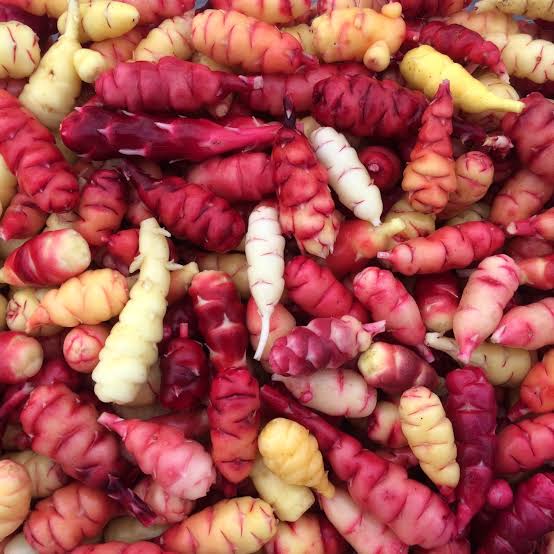
Colorful Tubers: Tubers may develop in shades of red, pink, yellow, orange, or cream, depending on the variety.
-
Distinctive Foliage: Produces clover-like green leaves and spreading stems.
-
Edible Harvest: Grown for its small, edible underground tubers.
-
Garden Versatility: Suitable for vegetable beds and containers with sufficient depth and drainage.
Growing Benefits
-
Discover an unusual root vegetable for a diverse home garden.
-
Enjoy colorful tubers that bring variety to homegrown produce.
-
Add an interesting traditional crop to your vegetable-growing collection.
-
Grow an edible plant with attractive, clover-like foliage.
-
Explore a rewarding gardening project suited to cool-season conditions.
Seed Specifications
-
Common Name: Oca, New Zealand yam, Andean tuber
-
Botanical Name: Oxalis tuberosa
-
Plant Type: Herbaceous perennial commonly grown as an annual for its tubers
-
Colors: Tubers may be red, pink, yellow, orange, or cream; foliage is green.
-
Height: Generally low-growing, with spreading stems; height varies with growing conditions.
-
Sunlight: Full sun to partial shade; cooler climates generally support better tuber development.
-
Soil: Loose, fertile, well-drained soil rich in organic matter.
-
Water: Regular moisture; avoid waterlogged soil.
-
Germination Time: Depends on the seed source. Oca is usually propagated from tubers rather than true seeds.
-
Sowing Depth: If viable botanical seeds are supplied, follow the supplier's sowing directions. For tubers, plant shallowly and cover with soil.
-
Spacing: Allow generous space for spreading growth and underground tuber development.
-
Growing Zones: Best suited to climates with a long, cool growing season; local suitability depends on temperature and day length.
-
Flowering/Maturity: Tuber development generally occurs as days shorten toward autumn; harvest timing varies by climate.
-
Uses: Home vegetable gardens, edible landscaping, cooking, and traditional root-vegetable dishes.
Growing Tips
-
Choose a location with sunlight and protection from extreme afternoon heat.
-
Keep the soil evenly moist while ensuring excess water drains away.
-
Give plants room to spread and develop underground tubers.
-
Protect plants from frost and harvest tubers before the ground freezes.
Seed Storage
Store any supplied botanical seeds in a cool, dry, dark place in a sealed container. Protect them from moisture and heat. Since oca is usually grown from tubers, store planting tubers in a cool, frost-free, well-ventilated location according to supplier instructions.
Unique Facts About Oca
-
Andean Heritage: Oca has been cultivated for generations in the Andes of South America.
-
Colorful Harvest: Its underground tubers can display a range of attractive colors depending on the variety.
-
Short-Day Crop: Tuber production is often triggered by shortening daylight hours, making autumn important for development.
-
Traditional Propagation: Oca is commonly propagated from tubers, which generally preserve the parent plant's characteristics more reliably than seeds.