


Key Features
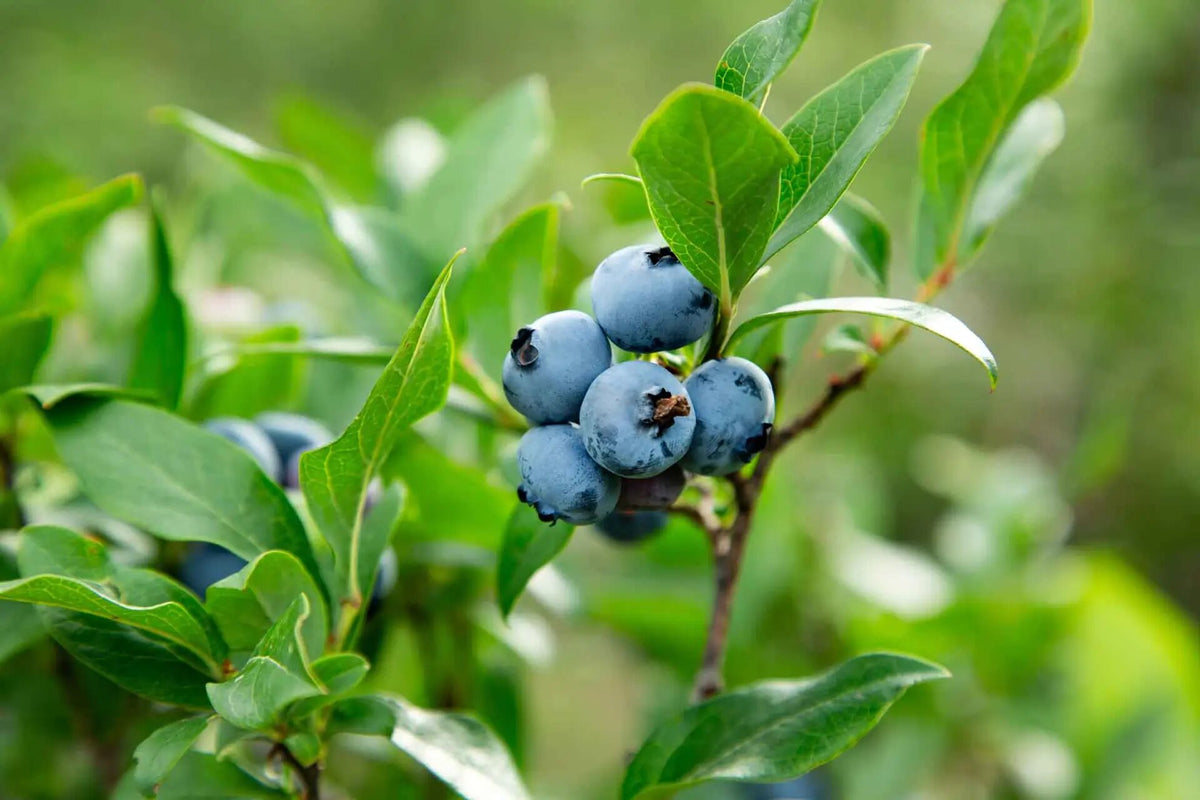
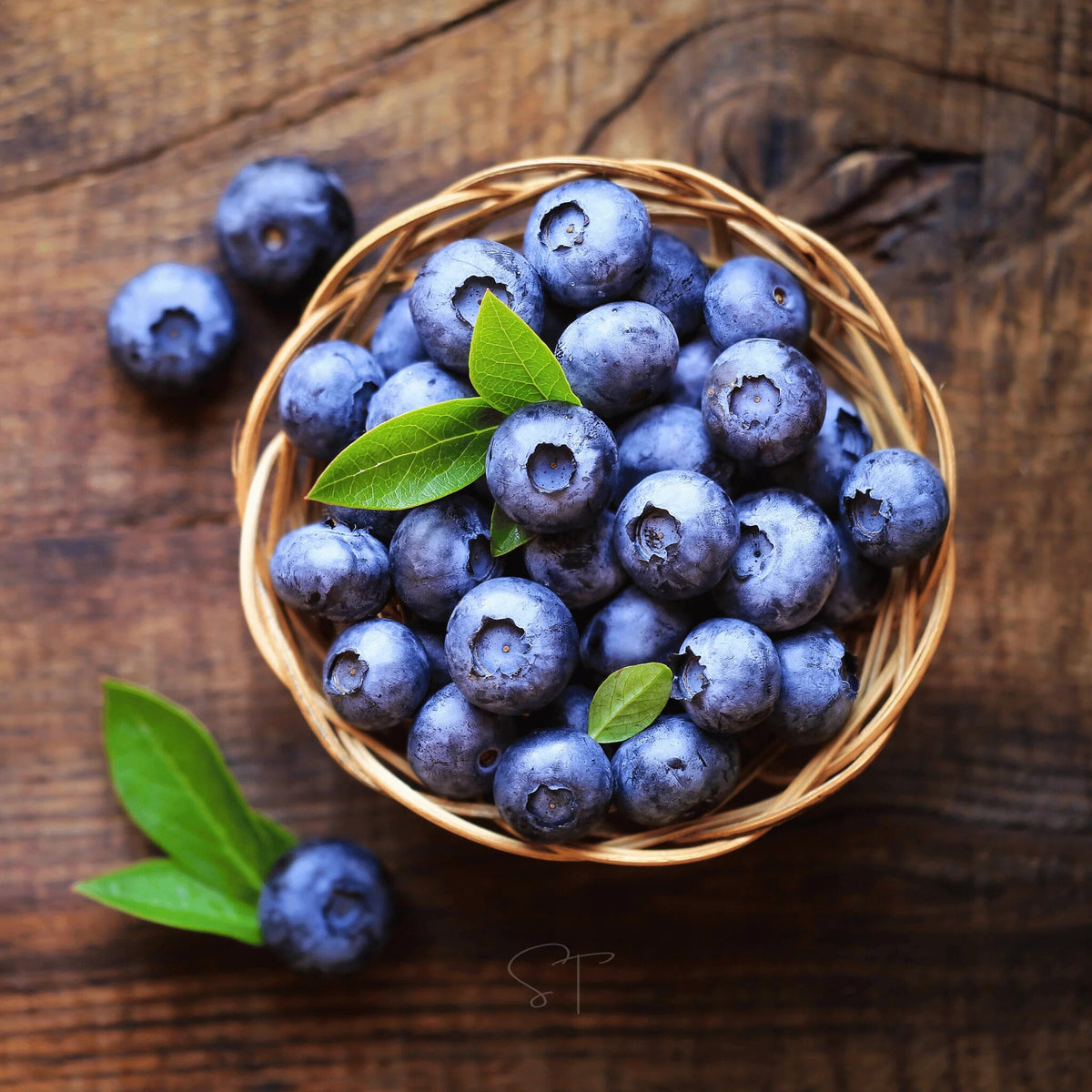
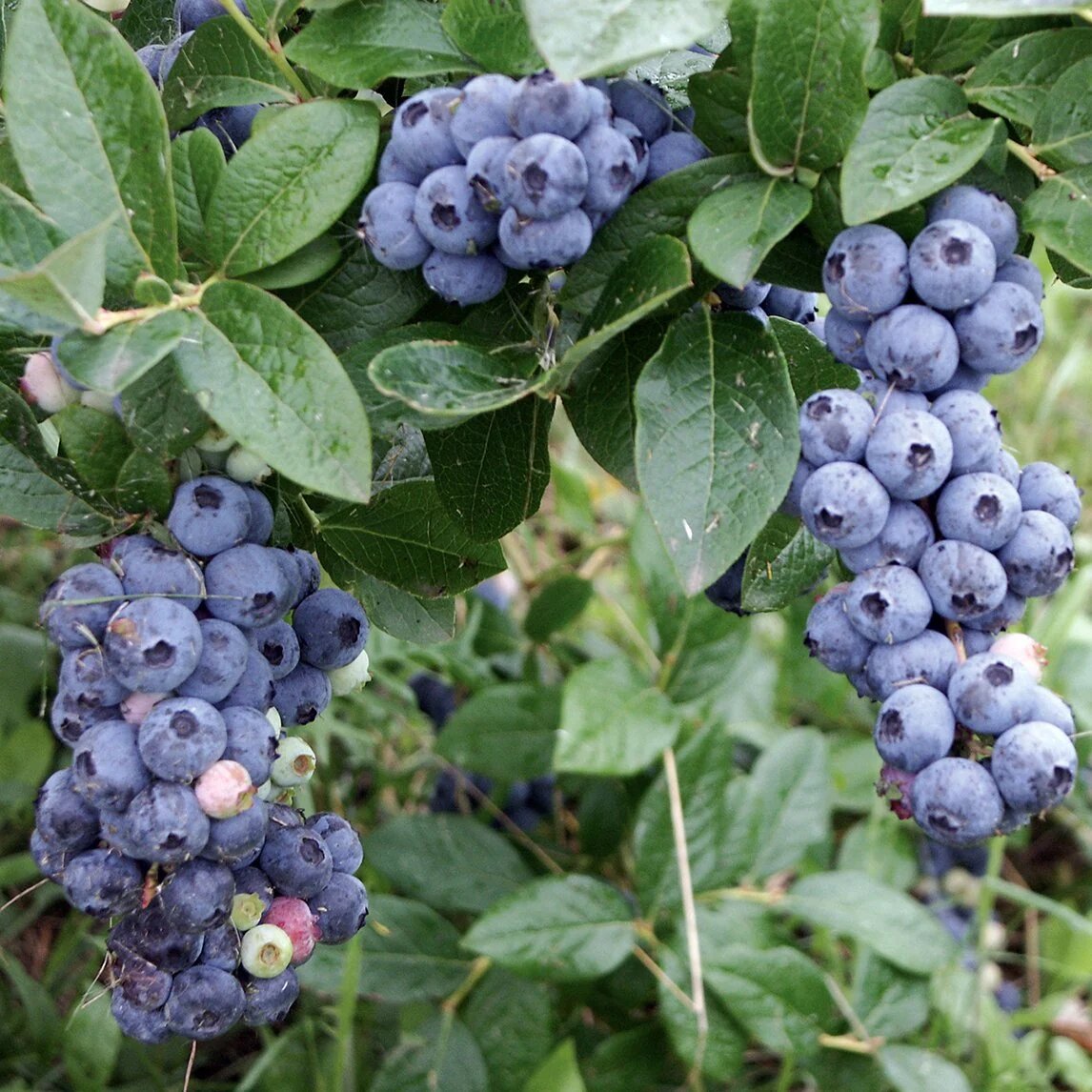
- Northern highbush blueberry variety known for flavorful blue berries.
- Produces delicate white to pale pink bell-shaped spring flowers.
- Deciduous shrub with attractive green foliage and colorful seasonal interest.
- Well suited to home gardens, edible landscapes, containers, and backyard berry patches.
- Prefers acidic, well-drained soil and consistent moisture for healthy growth.
Growing Benefits
- Adds an attractive fruiting shrub to edible home gardens.
- Provides seasonal interest through flowers, foliage, and colorful berries.
- Suitable for gardeners interested in growing blueberries from seed.
- Encourages a rewarding long-term gardening project from seed to fruit.
- Works beautifully in edible landscapes and cottage-style garden settings.
Seed Specifications
- Common Name: Northern Highbush Blueberry
- Botanical Name: Vaccinium corymbosum
- Plant Type: Deciduous perennial fruiting shrub
- Colors: White to pale pink flowers; blue to blue-black berries; green foliage
- Height: Typically five to eight feet, depending on growing conditions and genetics
- Sunlight: Full sun to partial shade; best fruit production generally occurs in full sun
- Soil: Acidic, organically rich, well-drained soil with a low pH
- Water: Keep soil consistently moist but avoid waterlogging
- Germination Time: Often several weeks after proper cold stratification
- Sowing Depth: Surface sow or cover very lightly with fine growing medium
- Spacing: Allow approximately four to six feet between established plants
- Growing Zones: Generally suited to USDA Zones three through seven, depending on conditions
- Flowering/Maturity: Flowers in spring; fruit develops later in the growing season. Seed-grown plants may require several years to reach fruiting age.
- Uses: Fresh eating, home fruit gardens, edible landscaping, berry patches, and ornamental planting
Growing Tips
- Use an acidic seed-starting medium and avoid ordinary alkaline garden soil.
- Cold-stratify the seeds before sowing to help overcome seed dormancy.
- Keep the growing medium evenly moist without allowing it to become waterlogged.
- Provide bright light and gradually acclimate young seedlings before transplanting outdoors.
Seed Storage
Store unused seeds in a cool, dry, dark location inside a sealed, moisture-resistant container. Keep them away from heat, humidity, and direct sunlight. Label the container with the seed variety and storage date.
Unique Facts About Seeds
- Northern highbush blueberry is native to eastern and central parts of North America.
- Blueberry seeds have natural dormancy and commonly benefit from a period of cold, moist stratification before germination.
- Plants grown from seed can vary from their parent plant, so fruit characteristics are not guaranteed to be identical.
- Blueberry plants prefer acidic soil, which is an important factor in successful long-term cultivation.