


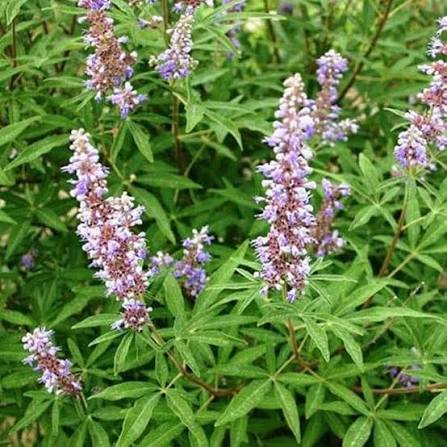
Grow Nirgundi from heirloom non-GMO seeds for an attractive aromatic shrub with slender green foliage and delicate flower clusters. Ideal for warm-climate gardens, borders, containers, and traditional herb-growing spaces.
Key Features
-
Produces attractive aromatic foliage on a branching garden shrub.
-
Develops delicate flower clusters that add seasonal interest.
-
Heirloom, non-GMO seed choice for home gardeners.
-
Ideal for warm-climate gardens, borders, containers, and herb spaces.
-
Adds height, texture, and natural character to landscapes.
-
Well suited to sunny locations with well-drained soil.
Growing Benefits
-
Adds distinctive foliage and structure to warm garden spaces.
-
Creates attractive vertical interest in borders and mixed plantings.
-
Suitable for containers while young or when maintained appropriately.
-
Provides an interesting addition to traditional herb gardens.
-
Offers a rewarding long-term growing project from seed.
Seed Specifications
-
Common Name: Nirgundi, Five-Leaved Chaste Tree, Chaste Tree
-
Botanical Name: Vitex negundo
-
Plant Type: Woody perennial shrub or small tree
-
Family: Lamiaceae
-
Flower Color: Pale blue, lavender, or violet depending on plant
-
Flower Shape: Small tubular flowers arranged in clusters
-
Foliage: Aromatic, divided leaves with multiple narrow leaflets
-
Growth Habit: Upright, branching, and spreading
-
Sunlight: Full sun to partial shade
-
Soil: Fertile, well-drained soil
-
Water: Moderate during establishment; relatively drought tolerant once established
-
Germination Time: Approximately 2–6 weeks under favorable conditions
-
Sowing Depth: Approximately ¼ inch or lightly covered
-
Spacing: Approximately 4–8 feet depending on intended mature size
-
Growing Zones: Generally suited to warm climates; hardiness varies by species and local conditions
-
Maturity: Woody perennial that develops gradually from seed
-
Uses: Herb gardens, borders, containers, traditional garden spaces, ornamental landscapes, and warm-climate plantings
Growing Tips
-
Soak seeds briefly before sowing if the seed coat appears particularly hard.
-
Provide warmth, moisture, and good drainage during germination.
-
Choose a sunny location with enough room for mature branching growth.
-
Protect young plants from frost and prolonged cold.
Seed Storage
Store unused seeds in a cool, dry, dark location. Keep them sealed in their original packet or an airtight container away from moisture, heat, and direct sunlight. Proper storage helps maintain seed quality between growing seasons.
Important Growing Note
The name Nirgundi is commonly associated with Vitex negundo, but common names can vary by region. Confirm the botanical name on the supplied seed packet before making species-specific gardening, culinary, or herbal claims.
Nirgundi has a history of traditional herbal use, but this product listing is intended for garden growing information only. Do not make medicinal claims or consume plant material without correct botanical identification and appropriate professional guidance.
Unique Facts About Seeds
-
Vitex negundo belongs to the Lamiaceae family, which includes many familiar aromatic plants.
-
Nirgundi develops distinctive divided leaves with several narrow leaflets.
-
Mature plants can develop into substantial branching shrubs or small trees in suitable climates.
-
Small flowers are produced in clusters and may appear in pale blue, lavender, or violet shades.
-
The plant is valued in traditional gardens for its aromatic foliage and attractive structure.