Skip to product information
1 of 3

EdenValleySeeds

Myrtle Tree Seeds for Planting – Heirloom Non-GMO Garden Seeds

Myrtle Tree Seeds for Planting – Heirloom Non-GMO Garden Seeds

No reviews yet
Regular price $18.89 USD
Regular price Sale price $18.89 USD
Sale Sold out
Size
Quantity
DELIVERY ESTIMATE
Oct 21 – Oct 23 Estimated arrival
ORDER Oct 11 Order placed
ORDER READY Oct 13 – Oct 14 2–3 business days
DELIVERED Oct 21 – Oct 23 10–12 business days total
Carefully packed and tracked from dispatch to delivery.
Secure checkout Carefully packed seeds Tracked delivery Quality-focused selection
View full details

Key Features

  • Produces glossy evergreen foliage with a naturally refined appearance.
  • Develops delicate white flowers with prominent golden stamens.
  • Heirloom, non-GMO seed choice for ornamental home gardens.
  • Suitable for borders, hedges, containers, Mediterranean gardens, and landscapes.
  • Performs best in sunny locations with well-drained soil.

Growing Benefits

  • Adds year-round evergreen structure to suitable garden spaces.
  • Creates a graceful backdrop for cottage and Mediterranean gardens.
  • Aromatic foliage brings sensory interest to outdoor plantings.
  • Works well as a hedge, border, or container specimen.
  • White flowers add delicate seasonal beauty to mature plants.

Seed Specifications

  • Common Name: Myrtle, Common Myrtle
  • Botanical Name: Myrtus communis
  • Plant Type: Evergreen shrub or small tree
  • Flower Color: White
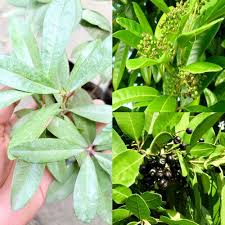
  • Foliage Color: Glossy dark green
  • Foliage: Small, leathery, aromatic leaves
  • Growth Habit: Upright, branching, and naturally bushy
  • Sunlight: Full sun to partial shade
  • Soil: Fertile, well-drained soil
  • Water: Moderate; keep evenly moist during establishment
  • Germination Time: Approximately 3–8 weeks under favorable conditions
  • Sowing Depth: Surface sow or cover very lightly
  • Spacing: Approximately 24–36 inches for young plants; allow more room for mature growth
  • Growing Zones: Generally suited to USDA Zones 8–10
  • Flowering/Maturity: Mature plants typically produce white flowers during warmer growing periods
  • Uses: Mediterranean gardens, hedges, borders, containers, cottage gardens, ornamental landscapes, and specimen plantings

Growing Tips

  • Start seeds in a light, well-drained growing medium and keep them consistently moist.
  • Provide bright light and warmth during germination and early seedling growth.
  • Choose a sunny outdoor location protected from severe winter cold.
  • Prune established plants lightly to maintain a compact shape when desired.

Seed Storage

Store unused seeds in a cool, dry, dark location. Keep them sealed in their original packet or an airtight container away from moisture, heat, and direct sunlight.

Important Growing Note

Myrtus communis is a Mediterranean evergreen that prefers warm conditions and well-drained soil. It is not reliably hardy in areas with prolonged freezing temperatures. Seed-grown plants can vary in growth habit and may take several years to reach flowering size.

Unique Facts About Seeds

  • Myrtle belongs to the Myrtaceae family, which includes eucalyptus and guava.
  • Its small evergreen leaves are naturally aromatic when crushed.
  • White Myrtle flowers feature numerous prominent stamens that give them a delicate, brush-like appearance.
  • Mature plants may produce small dark berries after flowering.

Growing Instructions

Planting Season: Start seeds indoors during a mild, warm growing period. In suitable frost-free climates, seeds can also be sown outdoors in a protected location.

Sowing: Fill a seed tray or small container with a light, well-draining seed-starting medium. Scatter seeds across the surface and press them gently into the medium.

Depth: Surface sow or cover with only a very thin layer of fine growing medium. Avoid deep planting.

Spacing: Begin seedlings in individual cells or containers when possible. Transplant established plants approximately 24–36 inches apart for young hedge or border plantings, allowing additional space as they mature.

Sunlight: Provide bright light during germination and early growth. Established Myrtle performs well in full sun, although partial shade can be tolerated.

Soil: Use fertile, well-drained soil with good organic content. Avoid locations that remain saturated after watering or rainfall.

Watering: Keep the growing medium evenly moist during germination and early development. Once established, water when the upper soil begins to dry.

Germination: Seeds may germinate within approximately 3–8 weeks under favorable conditions. Germination can be uneven or slower depending on temperature, moisture, and seed freshness.

Transplanting: Move young plants carefully after they develop a stronger root system. Harden indoor-grown seedlings gradually before planting outdoors.

Fertilizing: Apply compost or a balanced fertilizer during active growth if soil fertility is low. Avoid excessive fertilizer.

Care: Keep the planting area free of weeds and provide good airflow. Light pruning can help maintain shape and encourage dense branching.

Flowering/Maturity: Established Myrtle plants produce small white flowers with numerous prominent stamens. Flowers may be followed by dark blue to purple-black berries as plants mature.

Container Growing: Myrtle can be grown in containers while young or where its mature size can be managed. Use a container with drainage holes and refresh the growing medium as needed.