


Key Features
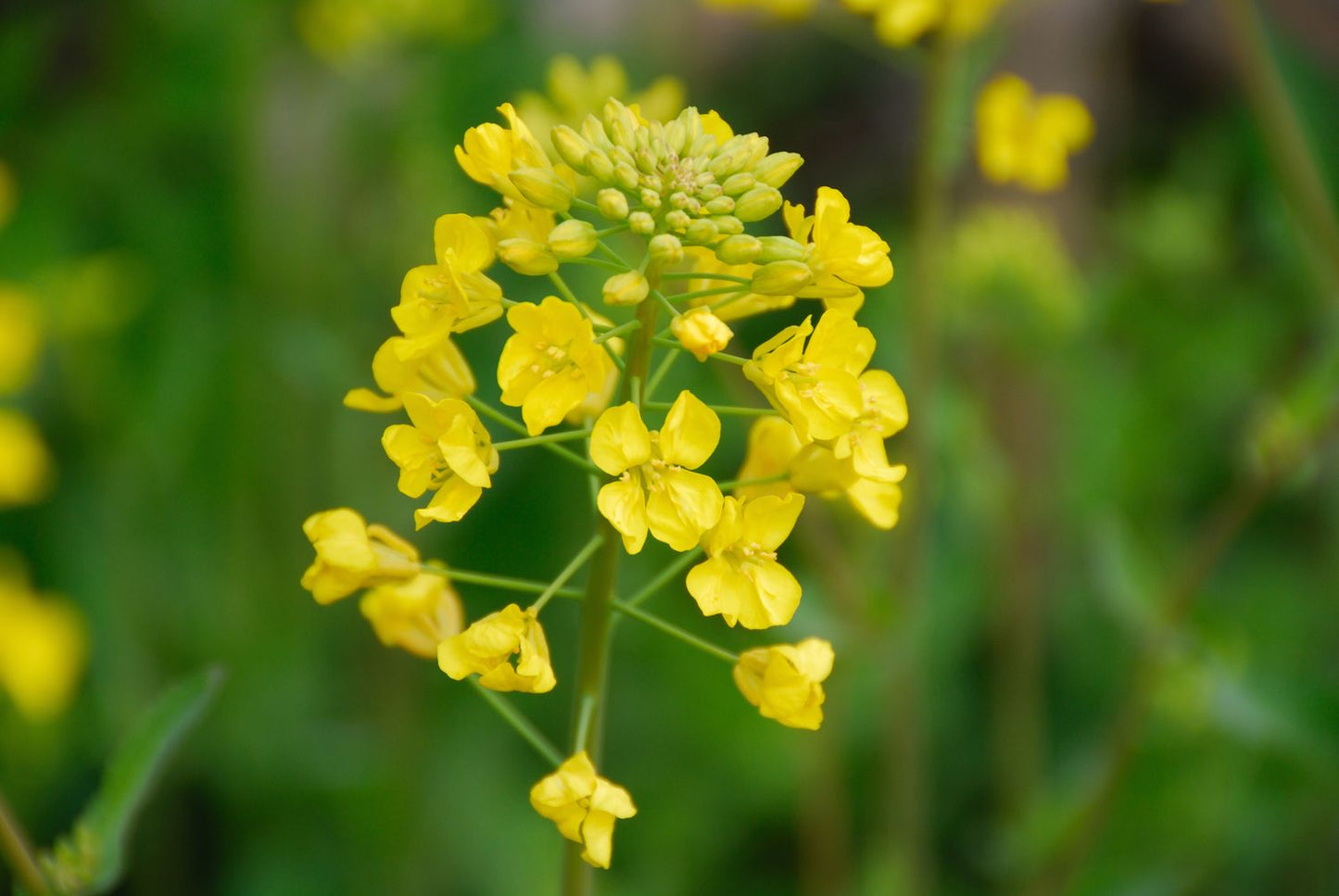
- Produces cheerful yellow flowers with a bright, natural garden appearance.
- Fast-growing cool-season plant with upright, branching growth.
- Attractive flowers can bring seasonal interest to garden borders and beds.
- Useful for cottage gardens, meadows, pollinator spaces, and naturalized areas.
- Can develop seed pods after flowering, adding further seasonal interest.
Growing Benefits
- Adds bright yellow color to gardens and outdoor spaces.
- Easy-to-grow option for gardeners seeking seasonal flowering plants.
- Provides flowers that can attract bees and other beneficial insects.
- Works well in borders, meadow-style plantings, and wildlife-friendly gardens.
- Suitable for cool-season sowing in many growing regions.
Seed Specifications
- Common Name: Mustard, Mustard Flower
- Botanical Name: Brassica species
- Plant Type: Annual flowering plant
- Colors: Bright yellow flowers
- Height: Approximately two to four feet, depending on variety and growing conditions
- Sunlight: Full sun to partial shade
- Soil: Fertile, well-drained soil with good moisture retention
- Water: Moderate and consistent moisture during establishment
- Germination Time: Generally about five to ten days under suitable conditions
- Sowing Depth: Approximately one-quarter inch deep
- Spacing: Approximately six to twelve inches apart
- Growing Zones: Varies by mustard species and local growing conditions
- Flowering/Maturity: Generally flowers within several weeks to a few months after sowing, depending on variety and climate
- Uses: Flower gardens, borders, meadows, pollinator gardens, naturalized areas, and seasonal displays
4 Growing Tips
- Sow seeds in loose, well-drained soil and cover them lightly.
- Choose a location receiving several hours of sunlight each day.
- Keep the soil evenly moist during germination and early growth.
- Thin seedlings after emergence to provide adequate room for development.
Seed Storage
Keep unused seeds in a cool, dry, dark location away from humidity and direct sunlight. Store them in an airtight or moisture-resistant container and protect them from excessive heat.
Unique Facts About Seeds
- Mustard belongs to the Brassicaceae family, which also includes cabbage, broccoli, and radish.
- Mustard plants can produce clusters of small yellow flowers above their leafy stems.
- After flowering, many mustard types form slender seed pods containing numerous small seeds.
- Mustard flowers can provide a useful seasonal food source for bees and other flower-visiting insects.