


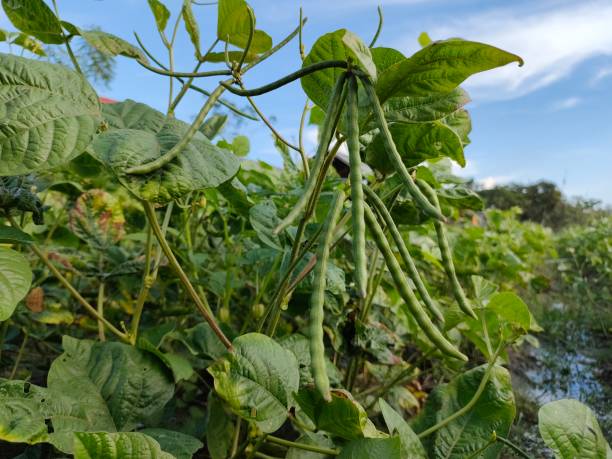
Key Features
- Warm-season legume producing small, green mung bean seeds and pods
- Compact, fast-growing annual plant suited to vegetable gardens and containers
- Thrives in warm weather with full sun and well-draining soil
- Useful for home gardens, edible pods, dried beans, and sprouting
- Attractive yellow flowers develop before the characteristic bean pods appear
Growing Benefits
- Easy-to-grow legume suitable for beginner gardeners
- Adds an edible crop to vegetable beds and home gardens
- Performs well during warm growing seasons
- Can be grown in garden beds, raised beds, or suitable containers
- Provides an enjoyable way to grow beans from seed to harvest
Seed Specifications
- Common Name: Mung Bean, Green Gram, Mung
- Botanical Name: Vigna radiata; Plant Type: Annual warm-season legume; Colors: Green seeds, green pods, yellow flowers; Height: Usually around one to three feet
- Sunlight: Full sun; Soil: Fertile, loose, well-draining soil; Water: Regular, moderate watering without waterlogging
- Germination Time: Commonly around three to seven days; Sowing Depth: About one inch; Spacing: Approximately two to four inches apart; Growing Zones: Best suited to warm climates, generally USDA Zones eight to eleven
- Flowering/Maturity: Flowers appear during the growing season, with beans commonly maturing in roughly two to three months; Uses: Fresh pods, dried beans, sprouting, cooking, and home vegetable gardens
Growing Tips
- Sow directly outdoors once the soil has warmed and frost danger has passed.
- Choose a sunny location with loose, well-draining soil for healthy growth.
- Keep the soil consistently moist during germination and early plant growth.
- Harvest pods when they are mature, or allow them to dry for dried mung beans.
Seed Storage
Store unused mung bean seeds in a cool, dry, dark location. Keep them in an airtight container away from moisture, heat, and direct sunlight. Properly dried seeds should remain protected from humidity and pests.
Unique Facts About Seeds
- Mung bean is also widely known as green gram and belongs to the legume family.
- The plant produces small yellow flowers that develop into slender bean pods.
- Mung beans are commonly used for sprouting, producing crisp edible bean sprouts.
- The seeds can be harvested either as fresh green beans or allowed to mature and dry.