


Key Features
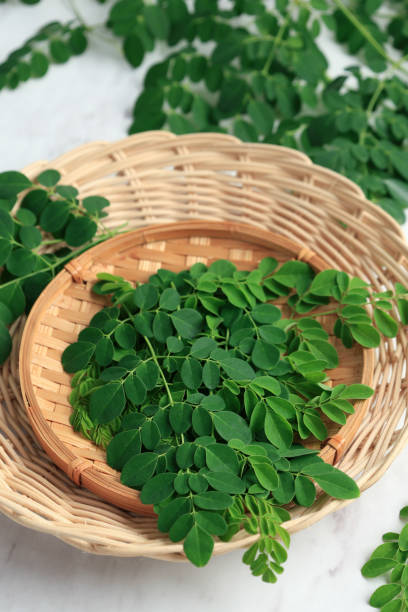
- Moringa Variety: Moringa (Moringa oleifera) is a fast-growing tropical tree valued for its edible leaves.
- Attractive Foliage: Produces delicate, rounded green leaflets arranged along slender branches.
- Ornamental Flowers: Mature plants can develop fragrant, creamy-white flowers followed by long seed pods.
- Edible Garden Plant: Young leaves, flowers, and immature pods are traditionally used in various cuisines.
- Warm-Climate Favorite: Well suited to sunny gardens, containers, and warm growing conditions with adequate space.
Growing Benefits
- Provides fresh moringa foliage for home culinary use.
- Creates attractive, leafy growth in warm-season gardens.
- Performs well in sunny locations with well-drained soil.
- Can be grown in suitable containers while young or where space is limited.
- Offers an interesting tropical plant for edible and ornamental gardens.
Seed Specifications
- Common Name: Moringa, Drumstick Tree, Horseradish Tree
- Botanical Name: Moringa oleifera
- Plant Type: Tropical perennial tree
- Colors: Green foliage, creamy-white flowers, green immature pods
- Height: Commonly reaches several meters when grown in suitable climates
- Sunlight: Full sun
- Soil: Well-drained, moderately fertile soil
- Water: Moderate; allow soil to drain between waterings
- Germination Time: Approximately one to three weeks under favorable conditions
- Sowing Depth: About one inch deep
- Spacing: Allow several feet between plants for mature growth
- Growing Zones: Best suited to tropical and subtropical climates; can be grown as an annual in cooler regions
- Flowering/Maturity: Flowering generally begins as plants mature under warm conditions; leaf harvest can begin once plants are well established
- Uses: Culinary leaves, flowers, immature pods, edible garden planting, containers, and ornamental landscaping
Growing Tips
- Soak seeds in clean water before sowing to help soften the seed coat.
- Choose a warm, sunny location with excellent drainage.
- Keep the soil lightly moist during germination without allowing it to become waterlogged.
- Prune established plants to encourage branching and maintain a manageable size.
Seed Storage
Keep unused moringa seeds completely dry and store them in an airtight container. Place the container in a cool, dark, dry location away from humidity, heat, and direct sunlight. Avoid exposing stored seeds to moisture or temperature fluctuations.
Unique Facts About Seeds
- Moringa is scientifically known as Moringa oleifera and belongs to the Moringaceae family.
- The plant is commonly called the drumstick tree because of its long, slender seed pods.
- Moringa is native to parts of the Indian subcontinent and is now cultivated widely throughout tropical and subtropical regions.
- Mature moringa trees can produce fragrant, creamy-white flowers and distinctive elongated pods.