


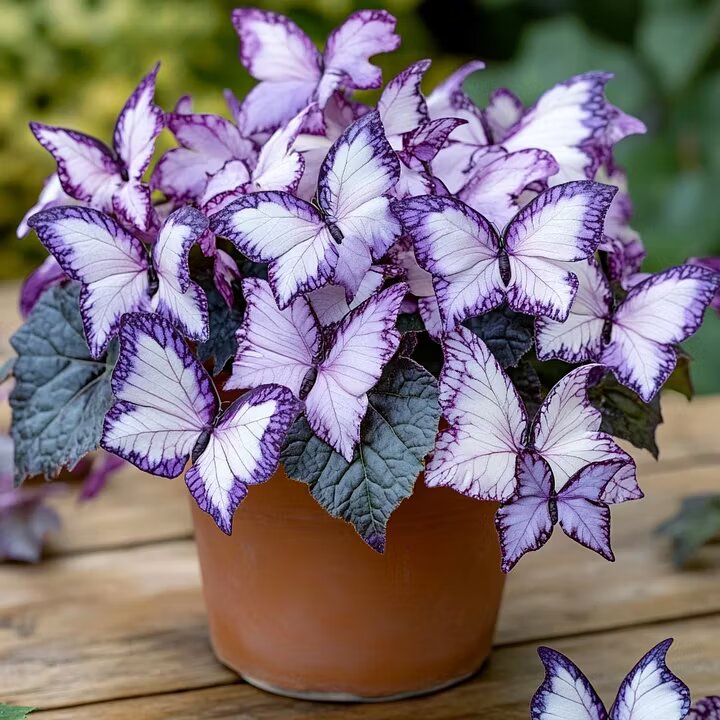
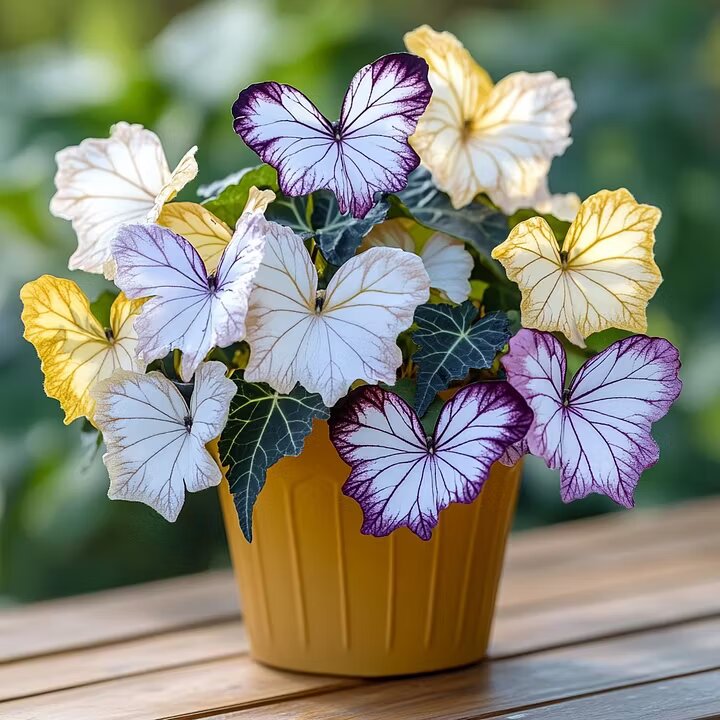
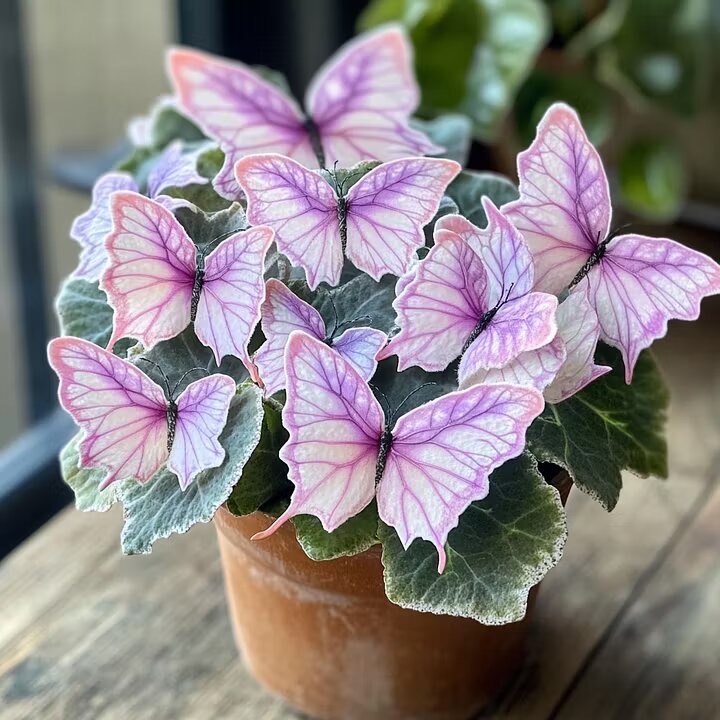

Key Features
-
Variety: Moonlight Butterfly Begonia, a decorative begonia name that should be verified with the seed supplier.
-
Foliage: Begonias are admired for their attractive leaves, which can feature distinctive shapes and patterns.
-
Color: Foliage and flower colors depend on the exact begonia variety.
-
Plant Characteristics: Begonias generally grow best in warm conditions with suitable moisture and protection from harsh sunlight.
-
Garden Uses: Suitable for ornamental displays, shaded garden spaces, and indoor plant collections when the variety is appropriate.
Growing Benefits
-
Adds decorative foliage to suitable indoor and outdoor garden spaces.
-
Offers an interesting growing project for flower and foliage enthusiasts.
-
Complements other shade-loving ornamental plants in mixed displays.
-
Helps create a lush appearance in sheltered garden areas.
-
Provides an opportunity to observe seedling development and plant growth.
Seed Specifications
-
Common Name: Moonlight Butterfly Begonia
-
Botanical Name: Begonia species or cultivar; exact identification requires supplier confirmation.
-
Plant Type: Ornamental flowering plant; growth habit varies by species.
-
Colors: Not confirmed for this specific seed product; begonia foliage and flowers vary widely.
-
Height: Depends on the species or cultivar and growing conditions.
-
Sunlight: Bright, indirect light or partial shade
-
Soil: Fine-textured, fertile, well-draining seed-starting mix
-
Water: Keep the growing medium consistently moist without waterlogging.
-
Germination Time: Often around fifteen to twenty days under suitable warmth, though conditions and seed quality affect timing.
-
Sowing Depth: Surface-sow; press seeds gently onto the moist growing medium without burying them.
-
Spacing: Sow thinly in trays, then transplant seedlings into individual pots as they develop.
-
Growing Zones: Depends on the confirmed begonia type and local climate; protect tender plants from cold.
-
Flowering/Maturity: Growth and flowering time vary by type and conditions; seedlings develop slowly.
-
Uses: Ornamental containers, sheltered garden beds, patios, and indoor plant displays where conditions are suitable.
Growing Tips
-
Sprinkle the tiny seeds carefully over a smooth, moist growing surface.
-
Maintain warm temperatures and bright, indirect light during germination.
-
Use a fine mist to prevent seeds from washing away.
-
Transplant seedlings gently after they develop true leaves.
Seed Storage
Keep seeds in their original sealed packet or another airtight container. Store them in a cool, dry, dark place away from humidity and direct sunlight. Follow any specific storage instructions provided by the supplier.
Unique Facts About Begonia Seeds
-
Tiny seeds: Begonia seeds are extremely fine, so careful surface sowing helps prevent them from being buried too deeply.
-
Light-assisted germination: Many begonias germinate best when their seeds remain exposed to light rather than covered with soil.
-
Varied foliage: Begonias include varieties grown for decorative leaves as well as those valued for their flowers.
-
Slow early growth: Begonia seedlings can be delicate and slow-growing, making consistent care especially important during their early stages