Skip to product information
1 of 3

EdenValleySeeds

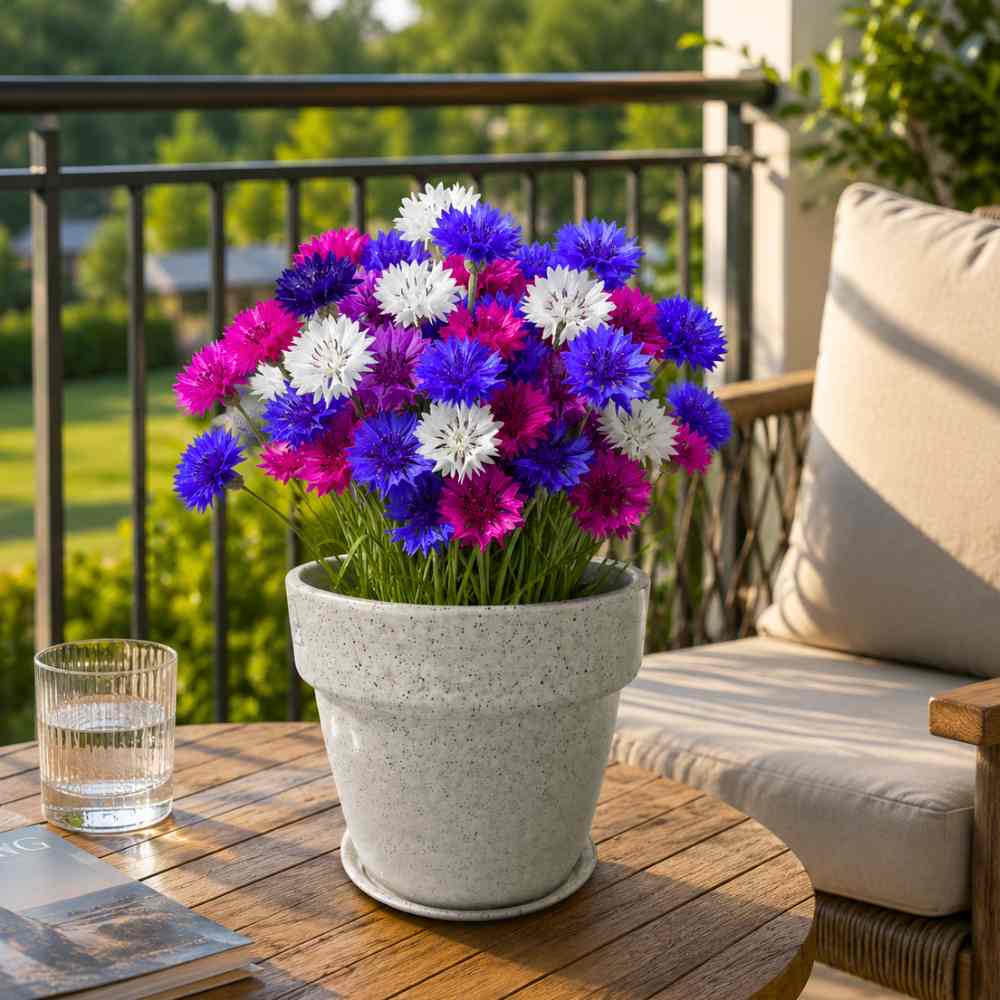
Mixed Bachelor Flower Seeds for Planting – Heirloom Non-GMO Organic Garden Seeds

Mixed Bachelor Flower Seeds for Planting – Heirloom Non-GMO Organic Garden Seeds

No reviews yet
Regular price $16.99 USD
Regular price Sale price $16.99 USD
Sale Sold out
Size
Quantity
Free shipping on every order Order today and estimated delivery is Sep 15 – Sep 18
Ordered Aug 31
Order Ready Sep 02 – Sep 04
Delivered Sep 15 – Sep 18
✓ Secure checkout ✓ Carefully packed seeds ✓ Tracked delivery ✓ Quality-focused selection

Bundle & Save

Choose a bundle to unlock savings

Up to 20% off

Select a bundle to see your savings

View full details

Key Features

  • Colorful mix of Bachelor Button flowers in blue, pink, white, and purple shades.
  • Produces charming, daisy-like blooms on upright, branching plants.
  • Excellent for flower beds, cottage gardens, borders, and cutting gardens.
  • Attractive blooms can draw bees, butterflies, and other beneficial pollinators.
  • Easygoing annual flower with a classic wildflower garden appearance.

Growing Benefits

  • Brings cheerful color and cottage-garden charm to outdoor spaces.
  • Offers a beautiful mix of flower colors from one seed collection.
  • Great for beginner gardeners seeking an easy-to-grow annual flower.
  • Provides attractive blooms for fresh-cut floral arrangements.
  • Creates a welcoming habitat for garden pollinators.

Seed Specifications

Common Name: Bachelor Button, Cornflower
Botanical Name: Centaurea cyanus
Plant Type: Annual flowering plant
Colors: Blue, pink, white, purple, and mixed shades
Height: About two to three feet
Sunlight: Full sun
Soil: Well-drained, moderately fertile soil
Water: Moderate watering; allow soil to dry slightly between watering
Germination Time: About seven to fourteen days
Sowing Depth: About one-quarter inch deep
Spacing: About six to twelve inches apart
Growing Zones: USDA Zones two to eleven, grown as an annual
Flowering/Maturity: Generally blooms from late spring through summer
Uses: Flower beds, borders, cottage gardens, wildflower gardens, and cut flowers

Growing Tips

  • Choose a sunny location with loose, well-draining soil.
  • Sow seeds directly outdoors because Bachelor Buttons dislike root disturbance.
  • Thin seedlings early to provide good airflow and healthy growth.
  • Remove faded flowers regularly to encourage continued blooming.

Seed Storage

Keep seeds in a cool, dry, dark place inside an airtight container. Protect them from humidity, heat, and direct sunlight. Avoid storing seeds in areas with frequent temperature changes.

Unique Facts About Seeds

  • Bachelor Button is also widely known as Cornflower.
  • The species name cyanus is associated with the plant's characteristic blue flowers.
  • Bachelor Buttons have a long history as traditional cottage-garden and cutting flowers.
  • Their colorful blooms can provide nectar and pollen resources for visiting pollinators.

Growing Instructions

Planting Season: Sow outdoors in early spring once the soil can be worked. In mild climates, seeds can also be sown during autumn for earlier seasonal growth.

Sowing: Scatter or sow seeds directly into prepared garden soil. Lightly cover them with fine soil and keep the seedbed evenly moist until seedlings appear.

Depth: Sow approximately one-quarter inch deep. Avoid planting too deeply, as this can reduce successful emergence.

Spacing: Thin young seedlings to approximately six to twelve inches apart. Adequate spacing improves airflow and gives mature plants room to develop.

Sunlight: Grow in a location receiving full sun. Plants generally perform best when provided with several hours of direct sunlight each day.

Soil: Use loose, well-drained soil with moderate fertility. Avoid excessively rich soil, which may encourage leafy growth instead of abundant flowering.

Watering: Keep newly sown seeds consistently moist. Once established, water when the soil begins to dry, providing additional moisture during prolonged dry periods.

Germination: Seeds generally germinate within about seven to fourteen days under favorable conditions. Consistent moisture and suitable soil temperatures support even emergence.

Transplanting: Direct sowing is preferred because young Bachelor Button plants can develop a taproot. If transplanting is necessary, move seedlings while they are still small and handle roots gently.

Fertilizing: Excessive fertilizer is usually unnecessary. If the soil is poor, apply a light, balanced flower fertilizer according to the package directions.

Care: Remove spent blooms to encourage additional flowering. Tall plants may benefit from support in exposed locations, especially when heavy rain or strong winds occur.

Flowering/Maturity: Plants commonly begin flowering in late spring or early summer and can continue blooming through summer when regularly deadheaded. Timing varies with climate and growing conditions.