


Key Features
-
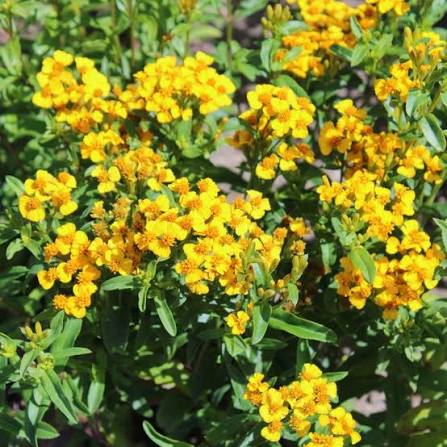
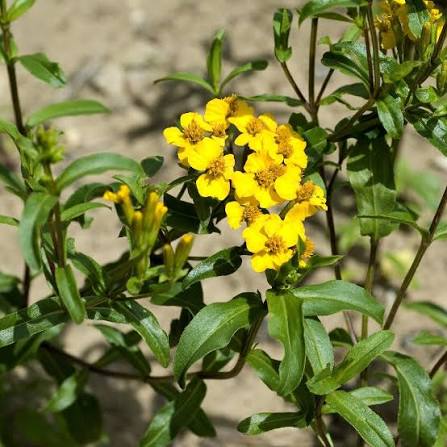
Golden Yellow Flowers: Produces clusters of small, bright yellow flower heads during late summer and autumn.
-
Anise-Scented Leaves: Features narrow green foliage with a distinctive sweet, tarragon-like fragrance.
-
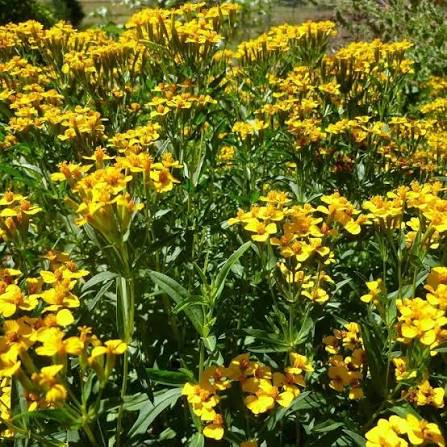
Bushy Perennial Growth: Develops upright, branching stems in suitable climates.
-
Culinary Garden Interest: Fragrant leaves are traditionally used as a seasoning herb.
-
Warm-Season Garden Appeal: Combines aromatic foliage with attractive seasonal flowers.
Growing Benefits
-
Fragrant Garden Foliage: Adds a pleasant anise-like aroma to herb gardens.
-
Autumn Flowering Interest: Golden blossoms provide seasonal color when many summer flowers begin to fade.
-
Container Gardening: Grows well in spacious pots with suitable drainage.
-
Flower-Visiting Insects: Open flower heads can attract bees and other pollinating insects.
-
Versatile Garden Design: Complements sunny borders, culinary gardens, and mixed ornamental plantings.
Seed Specifications
-
Common Name: Mexican Tarragon, Mexican Mint Marigold, Texas Tarragon
-
Botanical Name: Tagetes lucida
-
Plant Family: Asteraceae
-
Plant Type: Aromatic Culinary and Ornamental Herb
-
Plant Classification: Tender Herbaceous Perennial
-
Variety: Species Form; Cultivar Not Specified
-
Flower Color: Golden Yellow
-
Flower Shape: Small, Daisy-Like Composite Flower Heads
-
Flower Arrangement: Terminal Clusters
-
Foliage Color: Glossy Medium Green
-
Leaf Shape: Narrow, Linear to Lanceolate
-
Leaf Arrangement: Opposite
-
Leaf Fragrance: Sweet Anise and Tarragon-Like Aroma
-
Plant Height: Approximately 18–36 Inches
-
Plant Spread: Approximately 12–24 Inches
-
Growth Habit: Upright, Bushy, Branching
-
Sunlight: Full Sun; Light Partial Shade Tolerated
-
Soil: Well-Draining Sandy or Loamy Soil
-
Soil pH: Adaptable to Acidic, Neutral, and Alkaline Conditions
-
Water Requirements: Moderate During Establishment; Occasional Irrigation Once Established
-
Germination Time: Approximately 4–14 Days Under Suitable Conditions; Variable
-
Germination Temperature: Approximately 70–75°F
-
Seed Preparation: No Routine Cold Stratification Required
-
Sowing Depth: Surface Sow With Very Light Covering
-
Plant Spacing: Approximately 12–18 Inches
-
USDA Growing Zones: Approximately 8–11 for Perennial Cultivation, Depending on Winter Conditions
-
Planting Season: Spring After Frost Risk
-
Flowering Season: Late Summer Through Autumn
-
Foliage Harvesting: During Active Growth After Establishment
-
Native Region: Mexico to Central America
-
Uses: Culinary Herb Gardens, Patio Containers, Raised Beds, Sunny Borders, Ornamental Flower Gardens
-
Seed Count Per Pack: Confirm Actual Quantity
-
Special Characteristics: Anise-Scented Foliage, Golden Flowers, Warm-Season Growth, Bushy Perennial Habit
Growing Tips
-
Provide Full Sun: Choose a location receiving six or more hours of direct sunlight daily.
-
Maintain Good Drainage: Use loose soil and containers with adequate drainage holes.
-
Protect From Frost: Grow as an annual in colder regions or move containers into protected conditions before freezing weather.
-
Encourage Bushy Growth: Pinch young growing tips to promote branching and fuller foliage.
-
Water During Dry Periods: Established plants tolerate some dryness but perform well with occasional irrigation.
-
Harvest Carefully: Remove modest amounts of tender foliage while leaving enough growth for continued development.
Seed Storage
-
Cool Storage: Keep seeds in a cool environment away from excessive heat.
-
Dry Conditions: Store thoroughly dried seeds in sealed, moisture-resistant containers.
-
Light Protection: Protect seeds from prolonged direct sunlight.
-
Proper Labeling: Record the botanical name, seed lot, and collection date.
-
Seed Rotation: Check older seed lots before starting larger sowings.
Unique Facts About the Seeds
-
A Marigold Relative: Mexican Tarragon belongs to the Tagetes genus rather than the Artemisia genus of French Tarragon.
-
Distinctive Anise Fragrance: Its narrow leaves have a sweet scent reminiscent of anise and traditional tarragon.
-
Golden Autumn Flowers: Flowering is especially attractive during late summer and autumn.
-
Warm-Climate Adaptability: The plant is well suited to warm growing regions where traditional French Tarragon can be difficult to maintain.
-
Seed Propagation: Unlike traditional French Tarragon, Mexican Tarragon can be propagated from seed.