




Key Features
-
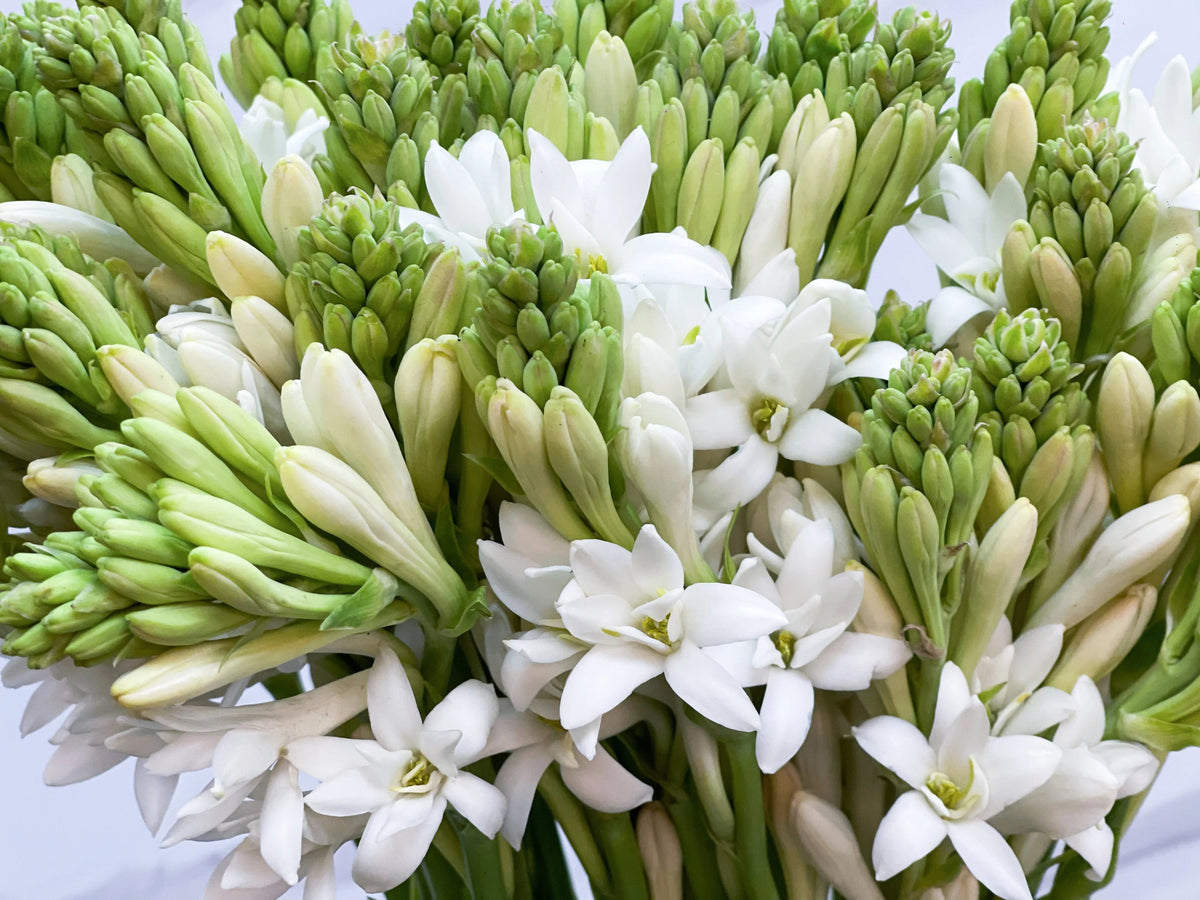
Flower Variety: Mexican Single Tuberose, commonly known as Rajnigandha.
-
Flower Color: Typically produces elegant white, single-form flowers.
-
Plant Characteristics: Upright growth with slender green leaves and fragrant flower spikes.
-
Garden Uses: Suitable for flower beds, borders, cottage gardens, and fragrant outdoor spaces.
-
Distinctive Appeal: Known for its sweet fragrance, making it popular for ornamental gardens and cut-flower arrangements.
Growing Benefits
-
Adds graceful white flowers and a classic look to garden beds.
-
Brings a sweet fragrance to outdoor seating and walking areas.
-
Provides attractive flower spikes for fresh floral arrangements.
-
Complements colorful annuals and perennials in mixed garden borders.
-
Offers an enjoyable growing project for gardeners who appreciate fragrant flowers.
Seed Specifications
-
Common Name: Mexican Single Tuberose, Rajnigandha, Single Tuberose
-
Botanical Name: Agave amica (synonym: Polianthes tuberosa)
-
Plant Type: Tender perennial flowering plant, commonly grown from bulbs or tubers
-
Colors: White flowers with green foliage
-
Height: Often around two to three feet, depending on growing conditions
-
Sunlight: Full sun, ideally with several hours of direct light daily.
-
Soil: Fertile, well-drained sandy loam or loamy soil.
-
Water: Regular moisture during active growth; avoid waterlogged soil.
-
Germination Time: Variable; published research on tuberose hybrid seeds reports germination taking several weeks.
-
Sowing Depth: Cover seeds lightly with a fine, well-drained growing medium; follow the supplier's specific seed instructions.
-
Spacing: Allow room for mature foliage and flowering stems; spacing depends on the growing method.
-
Growing Zones: Best suited to warm climates; protect plants from frost and prolonged cold.
-
Flowering/Maturity: Flowering depends on seedling development and growing conditions; seed-grown plants may take longer to flower than bulb-grown plants.
-
Uses: Fragrant flower beds, garden borders, cut-flower arrangements, and ornamental gardens.
Important product note: Mexican Single is an established tuberose cultivar, but tuberose is commercially propagated mainly through bulbs. Seeds are less commonly offered, and seed-grown plants may not reproduce the named cultivar exactly. Confirm that your supplier is providing viable tuberose seeds rather than bulbs.
Growing Tips
-
Sow fresh, viable seeds in a clean, well-drained seed-starting medium.
-
Keep the medium lightly moist without allowing excess water to collect.
-
Place seedlings in a warm, bright location with sufficient sunlight.
-
Transplant carefully once seedlings are strong enough to handle.
Seed Storage
Keep seeds in a sealed, clearly labeled container in a cool, dry, dark place. Protect them from moisture and excessive heat. Follow the supplier's storage recommendations, as seed viability can vary with age and storage conditions.
Unique Facts About Tuberose Seeds
-
Mexican origin: Tuberose is native to Mexico and became popular in ornamental gardens around the world.
-
Distinctive fragrance: Its white flowers are prized for their rich, sweet scent and use in perfumery.
-
Single-flowered variety: Mexican Single produces flowers with a single row of floral segments, unlike double-flowered types.
-
Bulb-based cultivation: Gardeners and commercial growers usually propagate tuberose through bulbs or offsets, while seed propagation is less common.