Skip to product information
1 of 3

Eden Valley Seeds

Meadow Arnica Seeds (Arnica chamissonis) – Medicinal Herb Plant

Meadow Arnica Seeds (Arnica chamissonis) – Medicinal Herb Plant

Regular price $16.99 USD
Regular price Sale price $16.99 USD
Sale Sold out
size
Quantity

DELIVERY ESTIMATE

—

Estimated arrival

ORDER—Order placed
ORDER READY—Processing estimate
DELIVERED—Estimated delivery

♢

Secure checkout
Carefully packed seeds
Tracked delivery
Quality-focused selection
View full details

Key Features

  • Plant Variety: Meadow arnica, a flowering perennial herb native to western North America.

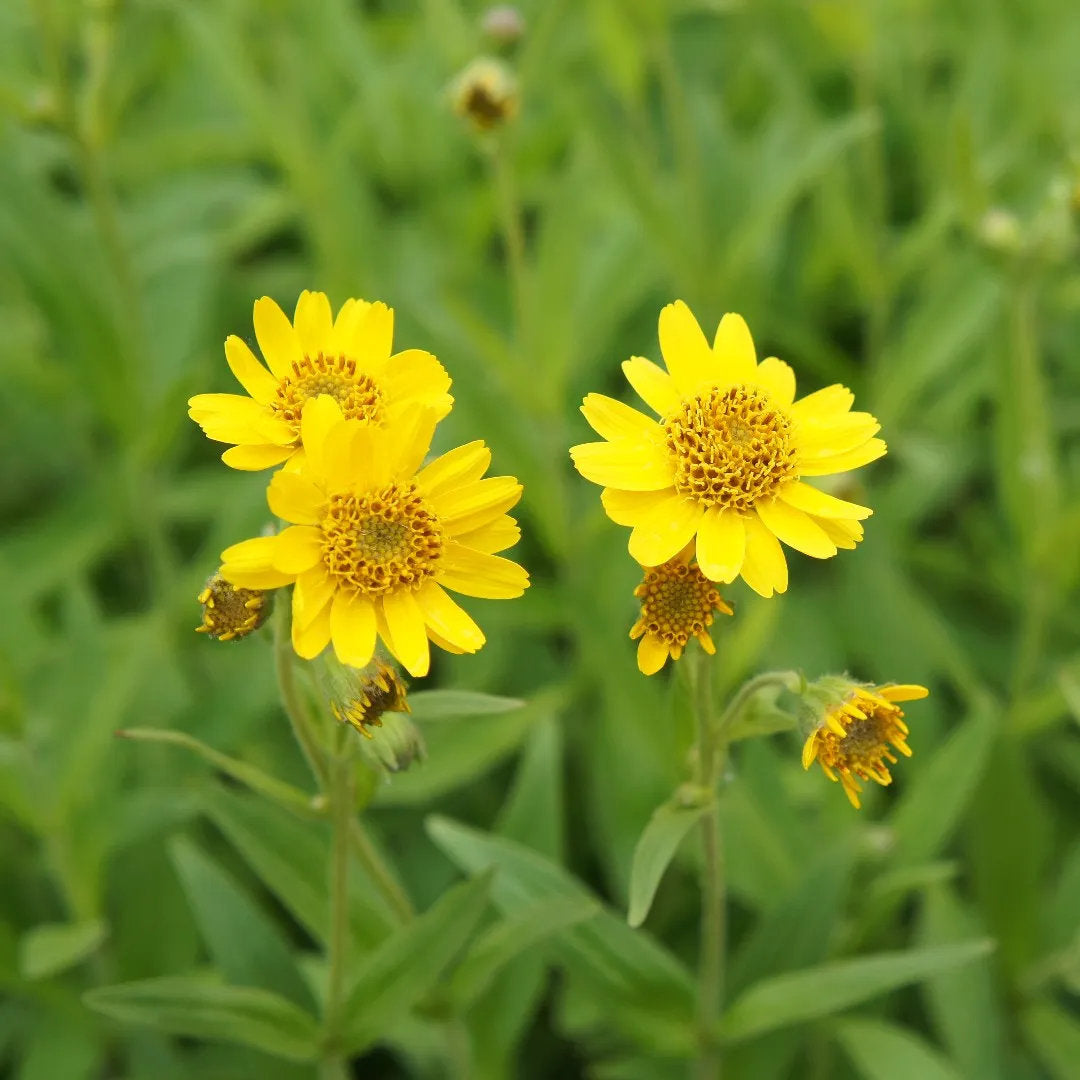
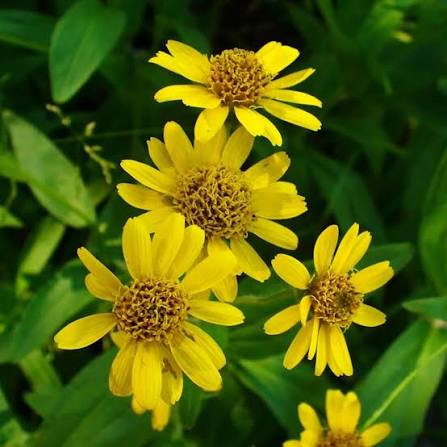
  • Flower Color: Bright yellow, daisy-like flowers with prominent central disks.

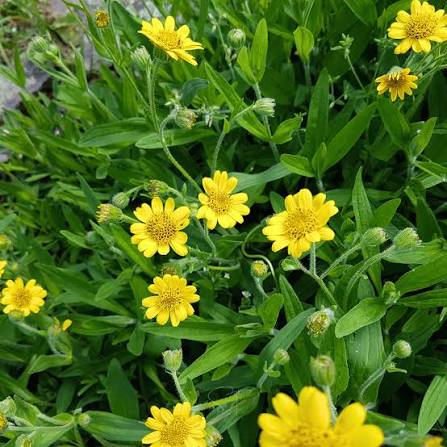
  • Plant Characteristics: Produces aromatic green foliage and upright flowering stems.

  • Garden Uses: Suitable for wildflower gardens, native plantings, and suitable pollinator-friendly spaces.

  • Unique Appeal: Offers cheerful summer blooms and an attractive naturalistic appearance.

Growing Benefits

  • Adds bright yellow flowers to naturalistic and cottage-style garden spaces.

  • Attracts bees and other beneficial pollinators when flowering.

  • Provides an opportunity to grow an interesting native North American perennial.

  • Works well in suitable meadow-inspired and wildlife-friendly planting schemes.

  • Offers seasonal color alongside compatible perennial herbs and wildflowers.

Seed Specifications

  • Common Name: Meadow Arnica, Meadow Leopardbane

  • Botanical Name: Arnica chamissonis

  • Plant Type: Herbaceous perennial

  • Colors: Yellow flowers with green foliage

  • Height: Commonly around twelve to twenty-four inches, depending on growing conditions.

Seed Specifications

  • Plant Identity: Common name: Meadow Arnica; botanical name: Arnica chamissonis; plant type: herbaceous perennial.

  • Appearance: Yellow, daisy-like flowers with green foliage; height varies with climate and growing conditions.

  • Growing Conditions: Full sun to partial shade; moist, well-drained soil; regular moisture during establishment.

  • Seed Details: Sow on the soil surface or cover very lightly; germination time varies with seed freshness and conditions.

  • Garden Information: Best suited to suitable temperate growing conditions; allow space for spreading growth. Flowers generally appear during the growing season after establishment.

Growing Tips

  • Surface-sow seeds or cover them with only a very fine layer of soil.

  • Keep the seedbed evenly moist without leaving it waterlogged.

  • Choose a sunny location with soil that retains moisture but drains well.

  • Remove competing weeds while young plants establish their roots.

Seed Storage

Store seeds in a sealed, clearly labeled packet or container in a cool, dark, dry location. Protect them from humidity and heat. For longer storage, follow the supplier's instructions and avoid exposing seeds to repeated temperature changes.

Unique Facts About Meadow Arnica Seeds

  • Daisy-family flowers: Meadow arnica belongs to the Asteraceae family, which also includes daisies and sunflowers.

  • North American native: It is associated with western North American habitats and is used in native-plant restoration.

  • Spreading growth: The plant can spread vegetatively, making adequate garden spacing important.

  • Medicinal-use caution: Despite its traditional medicinal associations, arnica can be toxic if swallowed and should not be used as a homemade edible herb.

Growing Instructions

Planting Season

Sow in spring when conditions are cool to mild, or follow the seed supplier's recommendations for your local climate. In regions with hot summers, establish seedlings during a cooler growing period.

Sowing and Seed Depth

Prepare a fine, weed-free seedbed or seed-starting medium. Scatter seeds on the surface and press them gently into contact with the soil. Cover only very lightly, as deep sowing may reduce successful emergence.

Spacing

Start seedlings close together in a nursery tray, then transplant them once they are sturdy enough to handle. Space established plants according to their expected mature spread and the growing guidance supplied for your seed lot.

Sunlight and Soil

Choose a sunny to lightly shaded site with moist, well-drained soil. Meadow arnica generally prefers soil that does not dry out completely during active growth. Avoid persistently waterlogged conditions.

Watering and Germination

Water gently to keep the seedbed evenly moist. Avoid strong water streams that can displace tiny seeds. Germination varies with seed quality, temperature, and moisture, so allow time for uneven emergence rather than assuming all seeds will sprout together.

Transplanting

When seedlings have developed several true leaves and are strong enough to handle, transplant them carefully into prepared garden soil. Water after transplanting and protect young plants from drying winds and intense heat while they establish.

Fertilizing and Plant Care

Improve the soil with modest amounts of mature compost if needed. Avoid excessive fertilizer, which can encourage leafy growth at the expense of flowers. Keep the planting area weed-free and remove damaged plant material as necessary.

Flowering and Maturity

Established plants typically flower during the growing season, producing yellow blooms that attract visiting insects. The exact flowering period depends on climate, sunlight, and plant maturity. Seed-grown plants may need time to establish before flowering.

Important Safety Note: This product is described as an organic medicinal herb seed, but organic certification has not been independently verified. Arnica is not an edible herb; do not ingest the plant or homemade preparations. Consult a qualified healthcare professional before using arnica medicinally.