


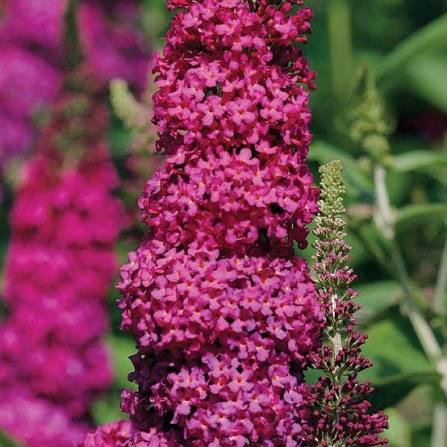
Grow Maroon Buddleia from heirloom non-GMO seeds for fragrant flower clusters and attractive green foliage. Ideal for cottage gardens, borders, containers, patios, pollinator spaces, and ornamental landscape displays.
Key Features
- Produces attractive maroon-toned flower clusters.
- Heirloom, non-GMO seeds for ornamental garden growing.
- Fragrant blooms add seasonal interest to outdoor spaces.
- Suitable for borders, cottage gardens, containers, and patios.
- Performs best in full sun with fertile, well-drained soil.
- Compact growth can suit smaller ornamental spaces, depending on variety.
Growing Benefits
- Adds rich maroon color to flower beds and mixed borders.
- Fragrant flower clusters provide an attractive garden display.
- Suitable for cottage-style and pollinator-friendly plantings.
- Can be grown in containers when a naturally compact variety is selected.
- Attractive foliage provides additional landscape interest.
Seed Specifications
- Common Name: Butterfly Bush, Buddleia
- Botanical Name: Buddleja spp.
- Plant Type: Deciduous or evergreen shrub, depending on species
- Flower Color: Maroon to deep purple-red, depending on species and seed-grown variation
- Flower Shape: Small tubular flowers arranged in elongated clusters
- Foliage: Green, often lance-shaped leaves
- Growth Habit: Upright, branching, and spreading; size varies by species
- Sunlight: Full sun
- Soil: Fertile, well-drained soil
- Water: Moderate; maintain consistent moisture during establishment
- Germination Time: Approximately 14–30 days under favorable conditions
- Sowing Depth: Surface sow or cover very lightly
- Spacing: Approximately 3–8 feet depending on species and mature size
- Growing Zones: Generally USDA Zones 5–10, depending on species
- Flowering: Summer through fall, depending on species and climate
- Uses: Cottage gardens, borders, pollinator gardens, containers, patios, foundation plantings, and ornamental landscapes
Growing Tips
- Sow seeds shallowly because Buddleja seeds are small and may require light for germination.
- Start seeds indoors several weeks before the last expected frost.
- Provide bright light after seedlings emerge.
- Keep soil evenly moist during germination and early growth.
- Select a naturally compact species or cultivar if limited garden space is available.
- Remove faded flower clusters to maintain a tidy appearance and encourage continued flowering where appropriate.
Seed Storage
Store unused seeds in a cool, dry, dark location. Keep them sealed in their original packet or an airtight container away from moisture, heat, and direct sunlight.
Important Growing Note
“Maroon Buddleia” is a descriptive color name rather than a single botanical species. Buddleja species and cultivars vary considerably in mature size, flower color, hardiness, and growth habit. Seed-grown plants may not reproduce the exact characteristics of a selected parent plant. Verify the botanical identity supplied by the seed source before making variety-specific claims.
Unique Facts
- Buddleia is commonly known as butterfly bush because its flowers can attract butterflies and other nectar-seeking insects.
- Buddleja belongs to the family Scrophulariaceae.
- Flower clusters are made up of many small tubular flowers.
- Different Buddleja species range from compact shrubs to much larger landscape plants.