


Key Features
-
Tropical Fruit Tree: Mamey sapote is an evergreen tropical tree valued for its large, edible fruits.
-
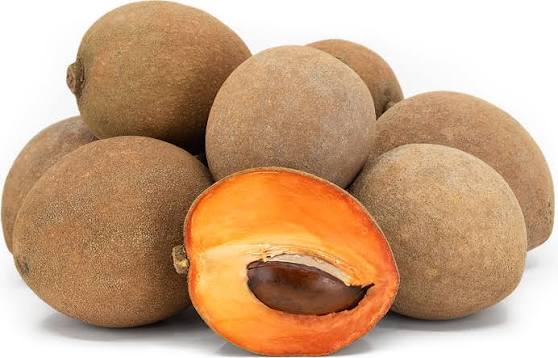
Fruit Appearance: Produces oval to round fruits with brown, rough skin and salmon-pink to reddish-orange flesh.
-
Tree Characteristics: Features glossy green leaves and a dense, attractive canopy in suitable climates.
-
Garden Uses: Suitable for tropical home gardens, orchards, and spacious landscapes in warm regions.
-
Distinctive Flavor: The ripe fruit has a creamy texture and sweet flavor often compared to sweet potato, pumpkin, or almond.
Growing Benefits
-
Grow a tropical fruit tree for a distinctive homegrown fruit experience.
-
Add attractive evergreen foliage to a warm-climate garden.
-
Enjoy the opportunity to learn about tropical fruit cultivation.
-
Create a productive garden feature when suitable growing conditions are available.
-
Explore fresh fruit uses in smoothies, desserts, and other recipes.
Seed Specifications
-
Common Name: Mamey Sapote
-
Botanical Name: Pouteria sapota
-
Plant Type: Tropical evergreen fruit tree
-
Colors: Brown fruit skin, salmon-pink to reddish-orange flesh, and green foliage.
-
Height: Can reach around 20–45 feet or more in favorable outdoor conditions, depending on cultivar and environment.
-
Sunlight: Full sun; young seedlings benefit from protection against harsh conditions.
-
Soil: Deep, fertile, well-drained soil rich in organic matter.
-
Water: Regular watering during establishment; avoid waterlogged soil.
-
Germination Time: Often several weeks, with timing influenced by seed freshness, temperature, and growing conditions.
-
Sowing Depth: Plant fresh seeds approximately one to two inches deep.
-
Spacing: Allow substantial room for a mature tree; spacing depends on cultivar and orchard design.
-
Growing Zones: Best suited to tropical and frost-free subtropical climates; protect from cold temperatures.
-
Flowering/Maturity: Seed-grown trees may take several years to flower and fruit, sometimes around seven to ten years or longer.
-
Uses: Home fruit gardens, tropical orchards, fresh eating, smoothies, and desserts.
Growing Tips
-
Plant fresh seeds promptly because they lose viability when allowed to dry out.
-
Keep the growing medium warm and evenly moist, never waterlogged.
-
Choose a sunny location with plenty of space for the mature tree.
-
Protect young seedlings from frost, strong winds, and extreme temperature changes.
Seed Storage
Mamey sapote seeds are best planted fresh. Avoid allowing them to dry completely, as drying can reduce their ability to germinate. If planting must be delayed briefly, keep seeds slightly moist in a breathable or suitable sealed storage environment and avoid overheating or prolonged storage. Plant as soon as practical.
Unique Facts About Mamey Sapote Seeds
-
Large seeds: Mamey sapote fruits generally contain one large, shiny brown seed, although seed numbers can vary.
-
Tropical origins: The species is native to Central America and is cultivated in tropical regions for its edible fruit.
-
Creamy fruit: The ripe flesh is soft and rich, making it popular in shakes, ice cream, and desserts.
-
Seed-grown variation: Trees grown from seed may differ from the parent tree in fruit quality, size, and time to maturity.