Skip to product information
1 of 3

EdenValleySeeds

Maclura Fruit Seeds for Planting – Heirloom Non-GMO Garden Seeds

Maclura Fruit Seeds for Planting – Heirloom Non-GMO Garden Seeds

No reviews yet
Regular price $18.89 USD
Regular price Sale price $18.89 USD
Sale Sold out
Size
Quantity
DELIVERY ESTIMATE
Oct 21 – Oct 23 Estimated arrival
ORDER Oct 11 Order placed
ORDER READY Oct 13 – Oct 14 2–3 business days
DELIVERED Oct 21 – Oct 23 10–12 business days total
Carefully packed and tracked from dispatch to delivery.
Secure checkout Carefully packed seeds Tracked delivery Quality-focused selection
View full details

Key Features

  • Grow an uncommon Maclura plant from seed

  • Develops attractive foliage and distinctive fruiting structures, depending on species

  • Excellent choice for specialty gardens and botanical collections

  • Suitable for gardeners interested in unusual woody plants

  • Provides a rewarding long-term seed-growing experience

Growing Benefits

  • Adds unique botanical character to garden landscapes

  • Creates an interesting specimen for larger garden spaces

  • Offers an engaging project for adventurous gardeners

  • Suitable for specialty, educational, and botanical collections

  • Provides the satisfaction of growing a distinctive plant from seed

Seed Specifications

  • Plant Type: Woody perennial; exact growth form depends on species

  • Botanical Name: Maclura spp.; exact species may vary

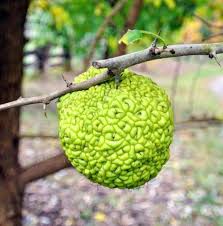
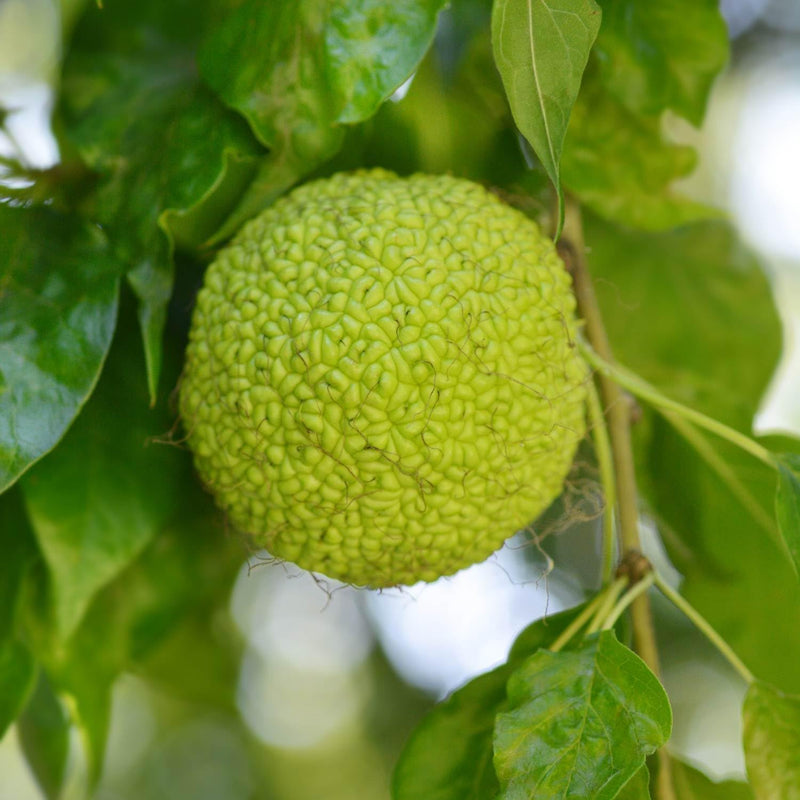
  • Fruit: Distinctive fruiting structures; appearance varies by species

  • Growth Habit: Species-dependent; may develop as a shrub or tree

  • Garden Use: Specialty gardens, botanical collections, large landscapes, specimen planting, and educational gardens

Growing Tips

  • Verify the exact Maclura species whenever possible so its climate and germination needs can be matched correctly.

  • Choose a sunny location with well-draining soil and plenty of room for future growth.

  • Keep the growing medium evenly moist during germination without allowing standing water.

  • Protect young seedlings from severe temperatures and environmental stress while they establish.

Seed Storage

Store seeds in a cool, dry place away from direct sunlight, excessive heat, and humidity. Keep them protected from moisture fluctuations until planting. Follow species-specific storage recommendations when available.

Unique Facts About Seeds

  • Maclura is a genus of woody plants belonging to the mulberry family, Moraceae.

  • Different Maclura species can have very different mature sizes, fruit characteristics, and landscape uses.

  • Some members of the genus are known for unusual rounded fruiting structures.

  • Seed-grown plants can naturally vary from the parent plant in growth habit and fruit characteristics.

  • Germination requirements may differ depending on the exact Maclura species.

Growing Instructions

Planting Season: Sow in fall or early spring. Spring sowing is especially suitable after completing a suitable seed pretreatment.

Sowing: Soak seeds in water before planting. For spring sowing, cold-moist stratification can help overcome dormancy.

Depth: Cover seeds approximately one-quarter to one-half inch deep and firm the soil gently over them.

Spacing: Start seedlings individually when possible. When planting permanently, provide generous spacing because mature trees can become substantial landscape plants.

Sunlight: Choose a full-sun location. Strong light supports healthy seedling development and natural growth.

Soil: Use well-drained garden soil. Osage orange is adaptable to different soil types but performs best where excess water drains freely.

Watering: Keep soil evenly moist during germination and early establishment. Once established, plants are relatively tolerant of dry conditions.

Germination: Seeds have mild dormancy. Soaking for approximately two days or cold stratification for about one month can help improve germination. Under favorable conditions, emergence may occur over several weeks.

Transplanting: Transplant young seedlings carefully after they have developed a healthy root system. Move them while still relatively small to reduce root disturbance.

Fertilizing: Established trees generally require little fertilizer when planted in reasonably fertile soil. If growth is weak, use a balanced tree fertilizer according to the product label.

Care: Maintain weed-free soil around young trees, water during prolonged dry periods, and prune as needed to develop a strong structure.

Flowering & Pollination: Maclura is dioecious, meaning male and female flowers occur on separate trees. Female trees produce fruit when successfully pollinated.

Fruit Development: Female trees can develop large green to yellow-green fruits that mature in late summer into autumn. The fruits are primarily valued for their ornamental and ecological characteristics rather than as a conventional edible garden crop.

Maturity: Seed-grown trees require patience and can take years to reach fruit-bearing maturity. Their eventual form and fruiting characteristics can vary naturally.