



Key Features
- Low-growing blueberry variety suited to woodland, native, and home garden settings.
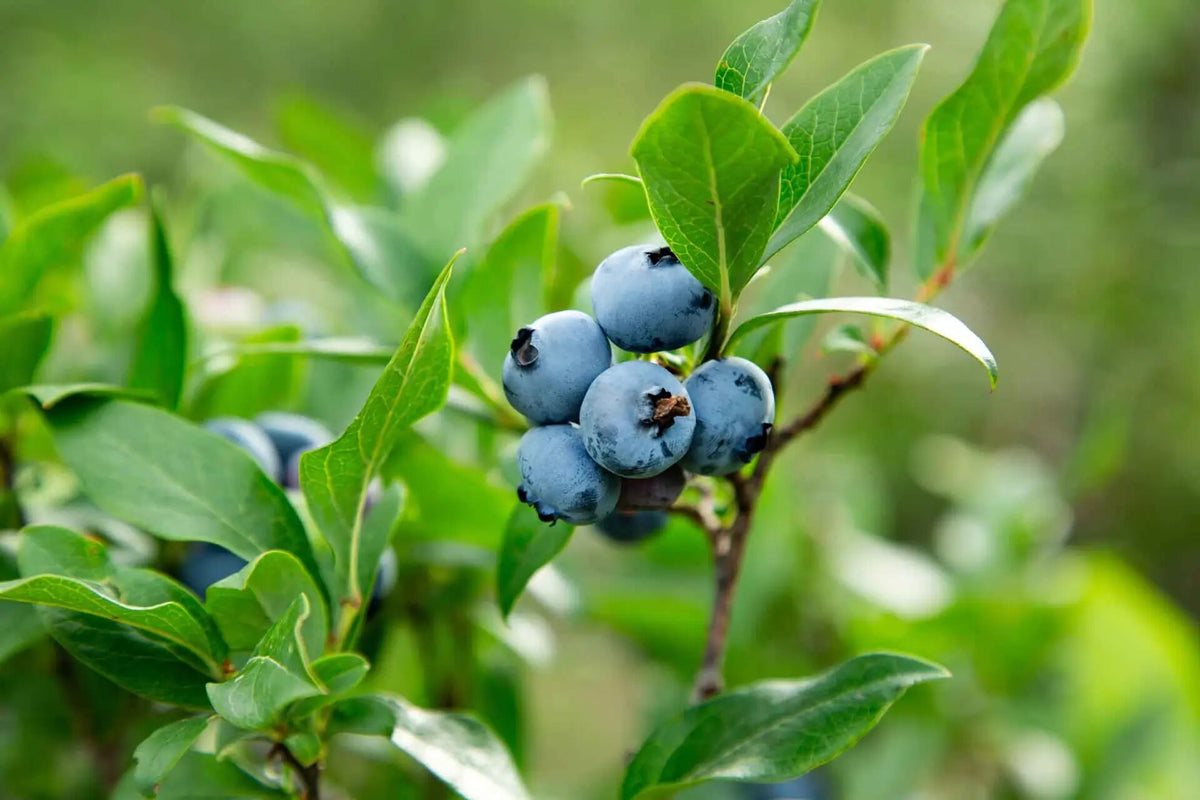
- Produces delicate white to pinkish spring flowers followed by small blue to deep-blue berries.
- Compact, spreading plant with attractive green foliage that can develop rich autumn color.
- Thrives in acidic, well-draining soil with consistent moisture and good sunlight.
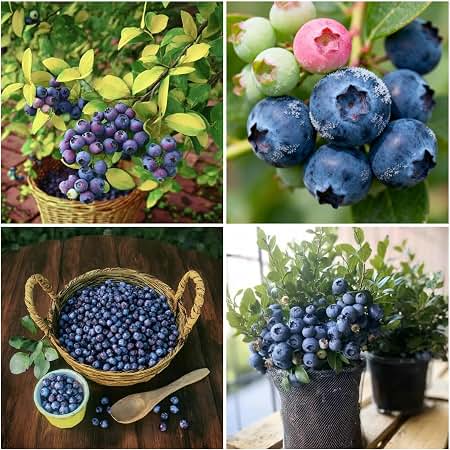
- Excellent for edible landscapes, berry gardens, containers, borders, and naturalized planting areas.
Growing Benefits
- Adds a charming low-growing form to edible and ornamental garden spaces.
- Produces attractive seasonal flowers, foliage, and berry crops.
- Works well in acidic garden beds designed for acid-loving plants.
- Offers an enjoyable seed-growing project for patient home gardeners.
- Can complement woodland gardens, native-style landscapes, and mixed berry plantings.
Seed Specifications
- Common Name: Lowbush Blueberry; Botanical Name: Vaccinium angustifolium
- Plant Type: Perennial deciduous shrub; Colors: White to pinkish flowers, blue to deep-blue berries, green foliage
- Height: Generally low-growing, commonly around one to two feet; Sunlight: Full sun to partial shade
- Soil & Water: Acidic, well-drained soil with organic matter; keep soil evenly moist without waterlogging
- Germination & Growth: Seeds require cold stratification and can germinate slowly; sow shallowly; allow generous spacing; suited broadly to cool temperate growing zones; flowering occurs in spring and fruit generally develops in summer; Uses: Fresh eating, berry gardens, wildlife-friendly landscapes, borders, containers, and naturalized plantings
Growing Tips
- Provide acidic soil, ideally similar to the conditions preferred by other acid-loving berries.
- Give seedlings bright light while protecting young plants from prolonged extreme heat.
- Keep the growing medium consistently moist, but avoid saturated or poorly drained soil.
- Be patient because blueberry seeds require preparation and plants take time to mature.
Seed Storage
Store unused seeds in a cool, dry, dark location inside a tightly sealed container. Protect them from humidity, heat, and direct sunlight. Label the container with the variety and storage date. For longer storage, follow the seed supplier's recommended conditions.
Unique Facts About Seeds
- Lowbush blueberry is native to northeastern North America and is naturally associated with acidic soils.
- The species spreads through underground stems called rhizomes, allowing it to form low colonies over time.
- Blueberries develop from bell-shaped flowers that appear in spring before the summer fruit crop.
- Fresh blueberry seeds generally require a period of cold, moist stratification before they are ready to germinate.