


Key Features
- Produces tall, feathery green foliage with the classic fresh aroma of dill.
- Vigorous, upright growth makes this variety well suited to garden beds and larger containers.
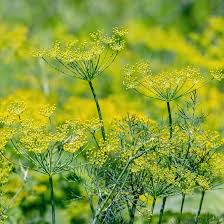
- Produces yellow flower umbels that can develop into aromatic dill seeds.
- Ideal for herb gardens, raised beds, kitchen gardens, containers, and pollinator-friendly spaces.
- Popular culinary herb for pickling, sauces, salads, seafood, and other dishes.
Growing Benefits
- Provides fresh dill foliage for home cooking.
- Offers both leafy herb harvests and mature seeds for culinary use.
- Tall growth adds texture and height to edible garden spaces.
- Suitable for direct sowing in garden beds and containers.
- Flowering plants can provide resources for beneficial insects.
Seed Specifications
- Common Name: Long Island Mammoth Dill
- Botanical Name: Anethum graveolens
- Plant Type: Annual herb
- Colors: Green foliage with yellow flowers
- Height: Approximately three to five feet
- Sunlight: Full sun
- Soil: Loose, well-drained, moderately fertile soil
- Water: Moderate; maintain consistent moisture during establishment
- Germination Time: Approximately seven to fourteen days under favorable conditions
- Sowing Depth: Approximately one-quarter inch
- Spacing: Approximately six to twelve inches
- Growing Zones: USDA Zones two through eleven when grown as an annual
- Flowering/Maturity: Foliage can be harvested several weeks after sowing; flowering follows as plants mature
- Uses: Herb gardens, kitchen gardens, raised beds, containers, pickling, culinary dishes, and pollinator-friendly plantings
Growing Tips
- Direct sow seeds where they will grow because dill develops a taproot and does not transplant easily.
- Give tall plants enough space and shelter from strong winds.
- Sow additional seeds every few weeks for a steady supply of young foliage.
- Harvest leaves before flowering for tender foliage and allow later growth to mature for seed production.
Seed Storage
Store unused seeds in a cool, dry, dark location. Keep them in their original packet or an airtight container protected from moisture, heat, and direct sunlight.
Unique Facts About Seeds
- Long Island Mammoth is a tall-growing dill variety valued for its abundant foliage and culinary uses.
- Dill belongs to the Apiaceae family, along with carrots, parsley, and fennel.
- Dill produces flat-topped clusters of small yellow flowers called umbels.
- Mature dill seeds are aromatic and commonly used as a culinary spice, especially in pickling.