


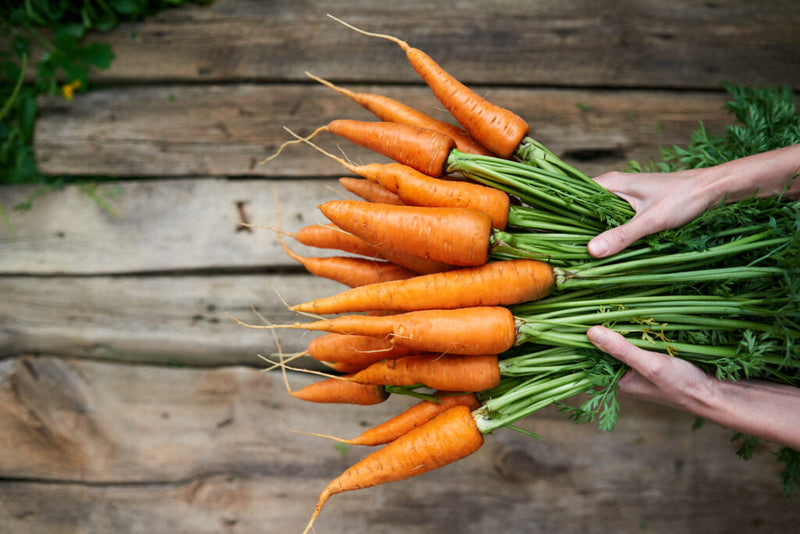
Key Features
- Little Finger is a compact Nantes-type heirloom carrot known for its short, slender roots.
- Produces attractive bright orange baby carrots with a sweet, tender flavor.
- Compact roots are well suited to home gardens, raised beds, and container growing.
- Ideal for harvesting young when the roots are crisp, tender, and flavorful.
- A cool-season vegetable that performs well in loose, well-drained garden soil.
Growing Benefits
- Enjoy fresh, sweet baby carrots grown right in your home garden.
- Compact roots make this variety suitable for smaller garden spaces.
- Excellent choice for beginner gardeners and family vegetable gardens.
- Harvest young roots for tender texture and fresh flavor.
- Great for raised beds, containers, kitchen gardens, and succession planting.
Seed Specifications
- Common Name: Little Finger Carrot, Baby Carrot
- Botanical Name: Daucus carota subsp. sativus
- Plant Type: Cool-season annual root vegetable
- Colors: Orange roots with green foliage
- Height: Foliage typically reaches about eight to twelve inches
- Sunlight: Full sun, with some tolerance for light shade
- Soil: Loose, fertile, well-drained sandy or loamy soil
- Water: Keep soil consistently moist without waterlogging
- Germination Time: Usually about one to three weeks
- Sowing Depth: Sow seeds about one-quarter inch deep
- Spacing: Thin seedlings to about one to two inches apart
- Growing Zones: Generally suitable for USDA Zones three through ten
- Flowering/Maturity: Grown primarily for its roots; typically matures in about fifty-five to sixty days
- Uses: Fresh eating, salads, roasting, cooking, lunchboxes, pickling, and vegetable gardens
Growing Tips
- Keep the seedbed evenly moist during germination because carrot seeds can dry out quickly.
- Thin young seedlings carefully to give developing roots enough room to grow.
- Remove weeds regularly so young carrot plants do not compete for nutrients and moisture.
- Harvest when roots reach a desirable size for the best baby-carrot texture and flavor.
Seed Storage
Store unused seeds in a cool, dry, dark place away from heat and moisture. Keep them in a tightly sealed packet or airtight container. Label the container with the variety and storage date. Properly stored seeds can retain good viability over time, although germination may gradually decline with age.
Unique Facts About Seeds
- Little Finger carrot is a small Nantes-type variety developed for producing short, tender roots.
- Carrot seeds are actually small dried fruits called schizocarps, rather than true botanical seeds in the simplest sense.
- Carrots develop their best roots in loose soil because compacted soil can restrict root growth and cause irregular shapes.
- Carrots are biennial plants botanically, although they are normally harvested during their first growing season as a vegetable.