


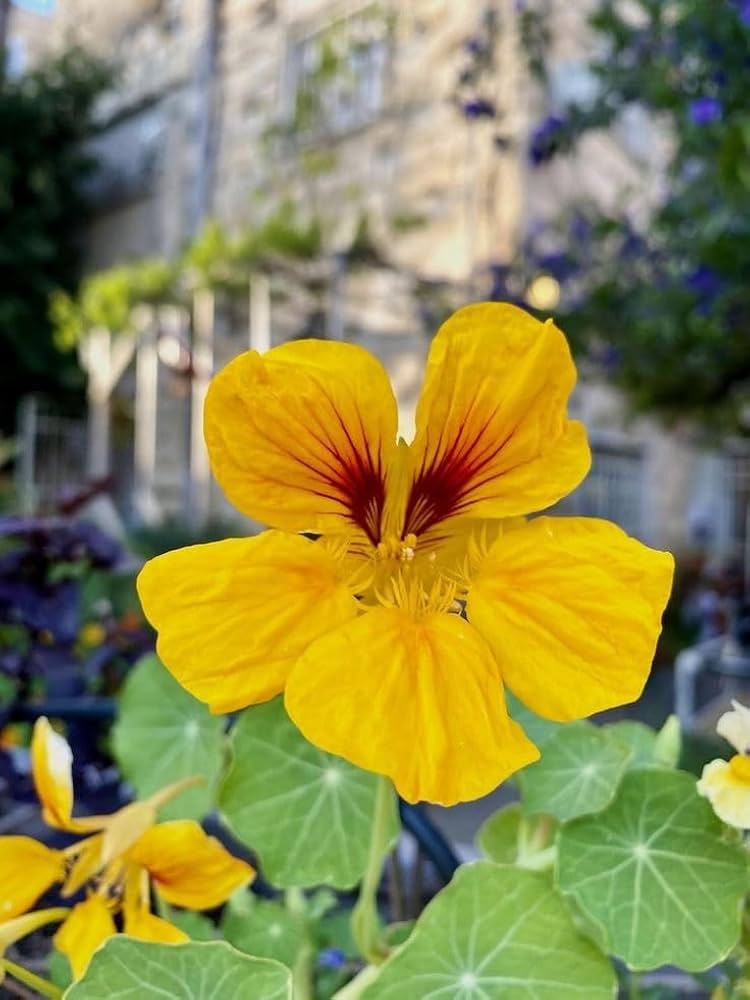
Key Features
- Produces cheerful light yellow nasturtium flowers with a warm, sunny appearance.
- Compact to trailing growth makes them suitable for borders, containers, beds, and hanging baskets.
- Rounded foliage creates attractive contrast beneath the delicate, five-petaled blooms.
- Easy-to-grow annual flower that adds color to cottage, kitchen, and pollinator-friendly gardens.
- Flowers can appear continuously through the growing season when plants receive suitable conditions.
Growing Benefits
- Adds soft yellow color and cheerful character to home garden spaces.
- Easy sowing makes nasturtiums a rewarding choice for beginner gardeners.
- Versatile growth works beautifully in containers, borders, raised beds, and garden edges.
- Attractive flowers can help create a welcoming setting for visiting pollinators.
- Edible flowers and leaves offer an interesting addition to ornamental kitchen gardens.
Seed Specifications
Common Name: Light Yellow Nasturtium
Botanical Name: Tropaeolum majus
Plant Type: Annual flowering plant
Colors: Light yellow to creamy yellow flowers
Height: About twelve to eighteen inches, depending on growing conditions and variety
Sunlight: Full sun to partial shade
Soil: Well-drained, moderately fertile soil
Water: Moderate; keep soil evenly moist without waterlogging
Germination Time: Usually seven to fourteen days
Sowing Depth: About half an inch deep
Spacing: About ten to twelve inches apart
Growing Zones: Commonly grown as an annual in Zones two through eleven; perennial in frost-free climates
Flowering/Maturity: Generally flowers within about eight to twelve weeks after sowing, depending on conditions
Uses: Flower beds, borders, containers, hanging baskets, cottage gardens, kitchen gardens, and pollinator-friendly spaces
Growing Tips
- Soak the seeds briefly before sowing to help soften their firm outer coating.
- Choose a location with good drainage to prevent overly wet soil.
- Avoid excessive fertilizer, which can encourage leaves instead of abundant flowers.
- Allow trailing stems room to spread naturally for an attractive garden display.
Seed Storage
Store unused nasturtium seeds in a cool, dry, dark place. Keep them in a sealed, moisture-resistant container away from heat and humidity. Label the container with the seed variety and storage date. Properly stored seeds remain in better condition for future planting.
Unique Facts About Seeds
- Nasturtium seeds are relatively large compared with many common flower seeds, making them easy to handle.
- Tropaeolum majus is native to South America and has become widely cultivated in gardens around the world.
- Nasturtium flowers and young leaves are edible and are known for their peppery flavor.
- The rounded leaves are distinctive and can hold water droplets on their surface, creating an attractive garden effect.