


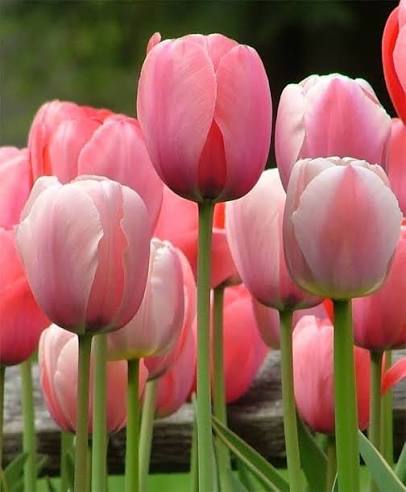
Grow Light Pink Tulips from heirloom non-GMO seeds for elegant cup-shaped blooms and fresh spring color. Ideal for flower beds, borders, containers, cottage gardens, cutting gardens, and seasonal ornamental displays.
Key Features
- Produces delicate light pink, cup-shaped flowers.
- Heirloom, non-GMO flower seeds for ornamental garden growing.
- Adds soft spring color to flower beds and borders.
- Suitable for containers, cottage gardens, patios, and cutting gardens.
- Performs best in well-drained soil with a suitable cool growing period.
- Creates attractive seasonal displays in home landscapes.
Growing Benefits
- Adds elegant pastel color to spring gardens.
- Works well in containers and smaller ornamental spaces.
- Provides attractive blooms for fresh-cut arrangements.
- Combines beautifully with other spring-flowering plants.
- Suitable for formal, cottage, and naturalized garden designs.
Seed Specifications
- Common Name: Tulip
- Botanical Name: Tulipa spp.
- Plant Type: Bulb-forming perennial
- Flower Color: Light pink
- Flower Shape: Cup-shaped, six-petaled blooms
- Foliage: Blue-green, strap-shaped leaves
- Growth Habit: Upright and clumping
- Sunlight: Full sun to partial shade
- Soil: Fertile, loose, well-drained soil
- Water: Moderate during active growth; avoid excessive moisture
- Germination Time: Variable; tulip seeds can require extended dormancy and may take more than one season to germinate
- Sowing Depth: Approximately ¼–½ inch
- Spacing: Approximately 4–6 inches
- Growing Zones: Generally USDA Zones 3–8, depending on species
- Flowering: Usually spring after a suitable cool period
- Uses: Flower beds, borders, containers, cottage gardens, cutting gardens, patios, and ornamental landscapes
Growing Tips
- Grow tulips from seed only if you are prepared for a longer growing process than bulb planting.
- Tulip seeds commonly require alternating temperature conditions and a period of cold before successful germination.
- Use loose, well-drained soil and avoid waterlogged locations.
- Provide young seedlings with bright light and consistent but moderate moisture.
- Allow foliage to mature naturally after flowering to support bulb development.
- Choose a species suited to your climate because tulip requirements vary among species.
Seed Storage
Store unused seeds in a cool, dry, dark location. Keep them sealed in their original packet or an airtight container away from moisture, heat, and direct sunlight. Fresh seed is generally preferable for successful germination.
Important Growing Note
Tulips are most commonly propagated commercially from bulbs because seed-grown plants take several years to flower and may not reproduce the exact characteristics of a named cultivar. “Light Pink Tulip” is therefore best treated as a descriptive flower-color name unless a specific botanical species or cultivar is confirmed.
Unique Facts
- Tulips belong to the genus Tulipa in the Liliaceae family.
- Most garden tulips are grown from bulbs rather than seed for faster flowering.
- Tulip seeds can require extended dormancy before germination.
- Seed-grown tulips can show natural variation in flower color, form, and plant characteristics.