


Key Features
-
Variety: Kodukkapuli, commonly known as Manila tamarind or camachile.
-
Botanical Identity: Pithecellobium dulce, a tropical tree in the legume family.
-
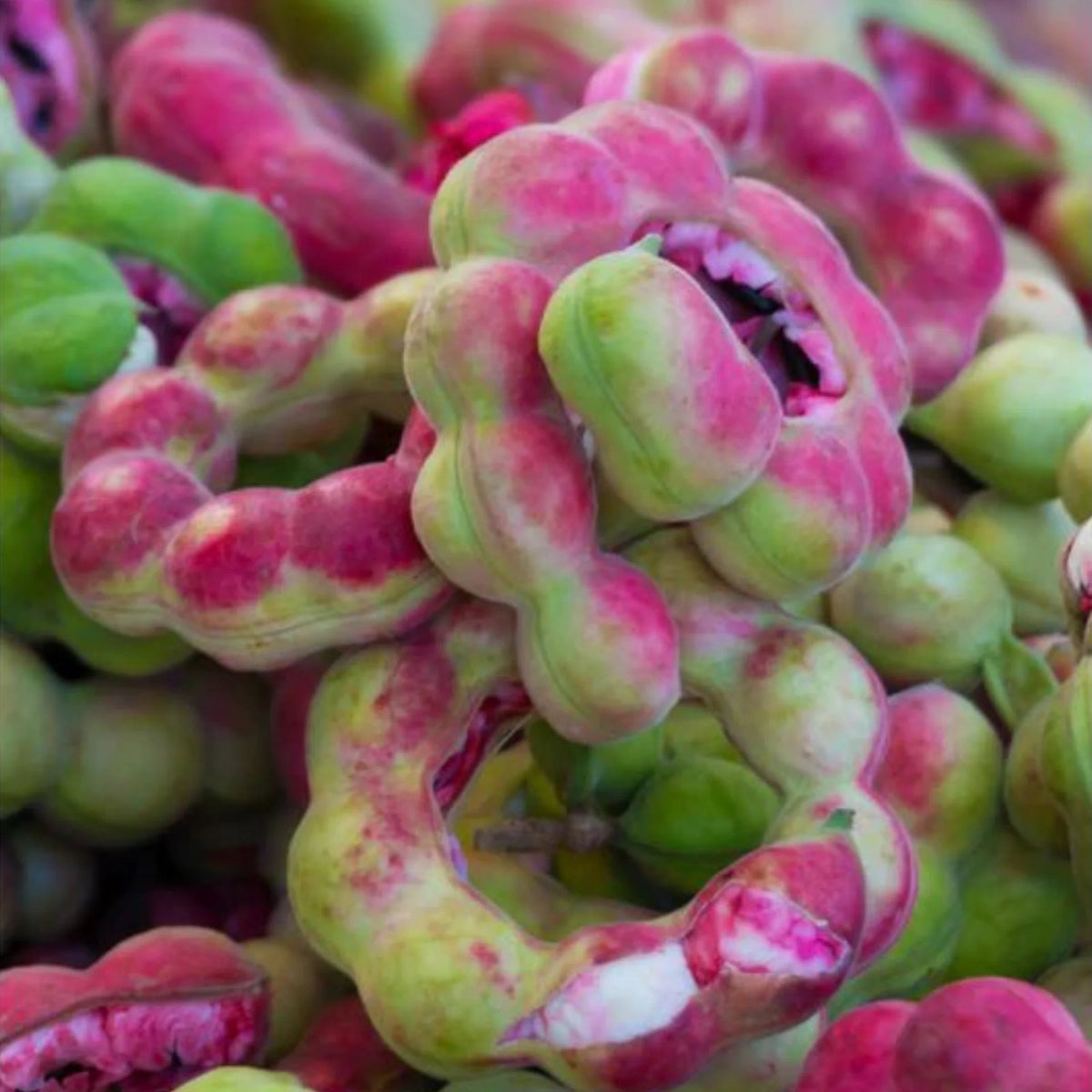
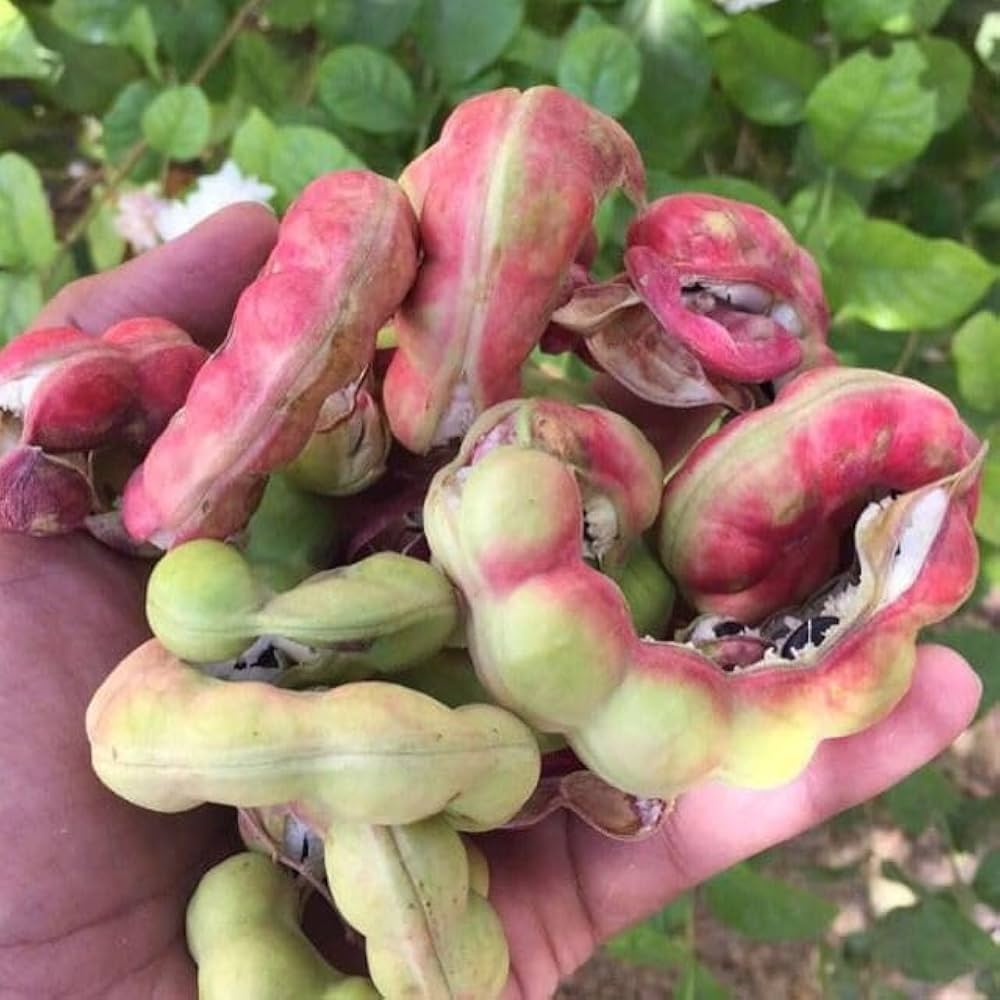
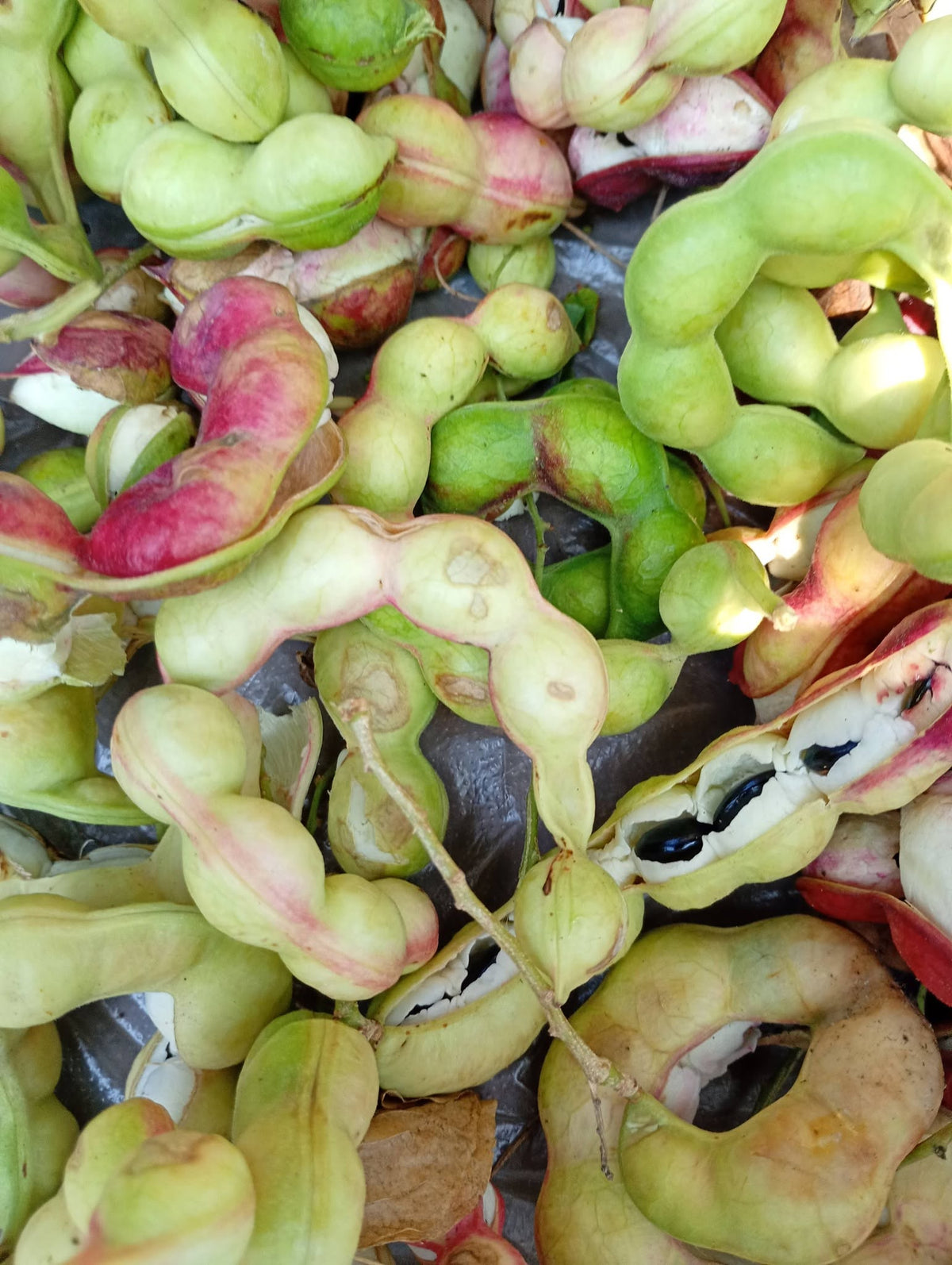
Fruit Appearance: Produces curved pods that turn pinkish or reddish as they mature, with edible pulp surrounding dark seeds.
-
Plant Characteristics: A hardy, branching tree with delicate compound leaves and small, rounded flower clusters.
-
Garden Uses: Suitable for tropical gardens, spacious home landscapes, and tree-growing projects in warm climates.
Growing Benefits
-
Adds a distinctive tropical fruit tree to suitable home gardens.
-
Provides attractive foliage and seasonal flowers for landscape interest.
-
Offers an opportunity to explore growing an unusual edible-fruit tree.
-
Can provide shade as the tree matures in suitable outdoor spaces.
-
Supports an engaging gardening project for growers interested in tropical plants.
Seed Specifications
-
Common Name: Kodukkapuli, Camachile, Manila Tamarind, Madras Thorn
-
Botanical Name: Pithecellobium dulce
-
Plant Type: Tropical evergreen or semi-evergreen tree, depending on climate
-
Colors: Green foliage, pale greenish-white flowers, and pink to reddish fruit pods with pale pulp
-
Height: Can reach approximately twenty to fifty feet or more under favorable conditions; size varies with climate and management.
-
Sunlight: Full sun for best growth.
-
Soil: Well-drained soil; the tree can tolerate a range of soil conditions once established.
-
Water: Moderate watering during establishment; established trees can tolerate dry periods.
-
Germination Time: Variable; warmth, seed freshness, and moisture influence emergence.
-
Sowing Depth: Sow approximately one to three centimetres deep in a well-draining seed-starting medium.
-
Spacing: Allow several metres between trees to accommodate their mature canopy and thorny branches.
-
Growing Zones: Best suited to tropical and subtropical climates; protect young plants from cold.
-
Flowering/Maturity: Flowers and fruit develop as the tree matures; seed-grown trees may take several years to produce fruit.
-
Uses: Edible fruit pulp, shade, ornamental landscaping, hedging, and suitable warm-climate tree gardens.
Growing Tips
-
Soak seeds in clean water before sowing to help soften the seed coat.
-
Use a warm, bright location and a free-draining seed-starting mix.
-
Water consistently during early growth without leaving the soil waterlogged.
-
Choose the permanent planting site carefully because mature branches may have sharp thorns.
Seed Storage
Keep seeds in a cool, dry place away from direct sunlight and humidity. Use a sealed, labelled container and avoid exposing seeds to excessive heat. For best results, follow any storage recommendations provided by the seed supplier.
Unique Facts About Kodukkapuli Seeds
-
Curled fruit pods: The fruit develops in distinctive curved or spiralled pods that often turn pinkish or reddish as they ripen.
-
Edible fleshy covering: The soft white or pinkish aril surrounding the glossy black seed is the edible part of the fruit.
-
Legume family: The tree belongs to the Fabaceae family, which includes peas, beans, and many other pod-producing plants.
-
Naturally thorny branches: Short, sharp spines can occur near the leaf bases, making site selection important when planting near paths or play areas