


Key Features
-
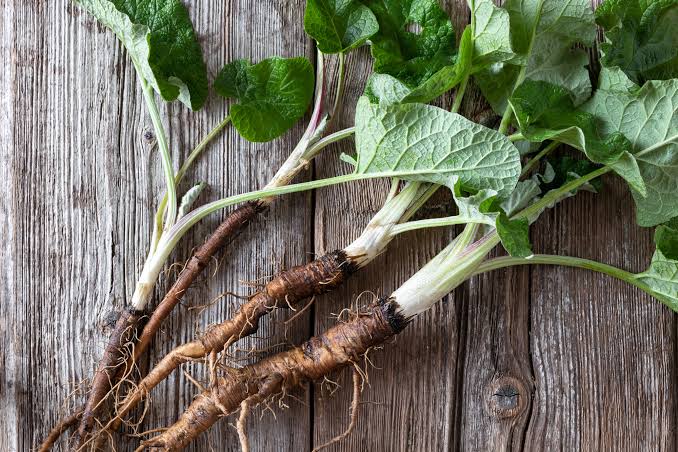
Variety: Kinpira Gobo, a Japanese burdock variety grown for its edible roots.
-
Root Color: Produces long, slender roots with brown skin and pale interiors.
-
Plant Characteristics: Upright foliage with a deep-growing taproot in loose soil.
-
Garden Uses: Suitable for vegetable gardens and homegrown Japanese cuisine.
-
Culinary Appeal: Traditionally used in kinpira gobo, a Japanese dish featuring sautéed burdock root.
Growing Benefits
-
Grow a traditional Japanese root vegetable in your home garden.
-
Harvest fresh roots for homemade meals and seasonal recipes.
-
Explore Japanese cooking with a versatile, distinctive garden vegetable.
-
Encourage healthy root development with loose, well-prepared garden soil.
-
Enjoy a rewarding growing project for gardeners who appreciate unusual vegetables.
Seed Specifications
-
Common Name: Kinpira Gobo, Japanese Burdock, Gobo Root
-
Botanical Name: Arctium lappa
-
Plant Type: Biennial root vegetable, commonly grown as an annual for its edible root.
-
Colors: Brown outer root skin, creamy white to pale interior, and green foliage.
-
Height: Approximately three to six feet when mature, depending on growing conditions.
-
Sunlight: Full sun to partial shade.
-
Soil: Deep, loose, fertile, well-drained soil free from stones.
-
Water: Keep soil evenly moist, especially while roots are developing.
-
Germination Time: Usually around one to two weeks under suitable conditions.
-
Sowing Depth: About one-quarter to one-half inch.
-
Spacing: Thin seedlings to approximately four to six inches apart, with rows about eighteen to twenty-four inches apart.
-
Growing Zones: Commonly grown across a wide range of temperate climates; suitability depends on local conditions.
-
Flowering/Maturity: Roots are often ready for harvest in about three to four months, depending on the variety and growing conditions. The plant may flower in its second year if left in the ground.
-
Uses: Japanese cooking, stir-fries, soups, pickling, and traditional kinpira gobo recipes.
Growing Tips
-
Sow seeds directly into deep soil to avoid disturbing the developing taproots.
-
Remove stones and compacted soil to encourage straighter, better-shaped roots.
-
Thin seedlings early so each plant has enough room to develop.
-
Maintain consistent moisture without leaving the soil waterlogged.
Seed Storage
Store unused seeds in a cool, dry, dark location in an airtight container. Protect them from moisture, heat, and direct sunlight. Label the container with the variety name and storage date, and follow any instructions provided by your seed supplier.
Unique Facts About Kinpira Gobo Seeds
-
Japanese culinary tradition: Gobo is widely used in Japanese cooking, particularly in kinpira, a dish of finely cut burdock root cooked with seasonings.
-
Edible taproot: The plant develops a long taproot, making deep, loose soil especially important for successful cultivation.
-
Biennial growth habit: Burdock typically develops its leafy growth and root during the first year, then flowers and produces seeds in the second year.
-
Distinctive texture: Cooked burdock root has a firm, slightly crunchy texture and a mild, earthy flavor.