



Key Features
-
Rare Indian Fruit Tree: Karmal (Dillenia pentagyna) is a tropical deciduous tree native to South and Southeast Asia, valued for its unusual fruits and ornamental appearance.
-
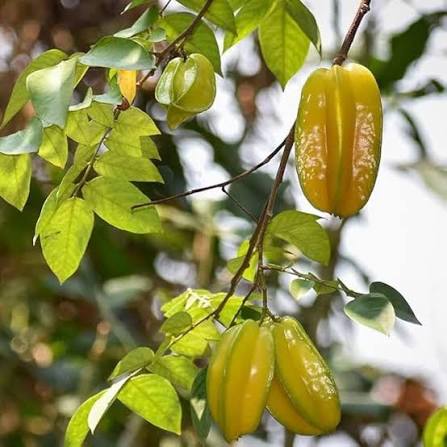
Fruit Characteristics: Produces rounded fruits with a distinctly acidic taste, traditionally used in regional food preparations.
-
Plant Characteristics: Develops into a medium to large tree with broad green leaves, a spreading crown, and attractive yellow flowers.
-
Garden Uses: Suitable for spacious tropical gardens, botanical collections, native landscapes, and specialty fruit tree collections.
-
Special Feature: Karmal is a lesser-known Indian forest fruit tree with a history of traditional culinary and cultural uses.
Growing Benefits
-
Rare Fruit Cultivation: Grow an unusual Indian fruit-bearing tree that adds botanical diversity to tropical landscapes.
-
Traditional Culinary Interest: Fruits are used in some regional preparations for their sour flavor.
-
Ornamental Flowering: Enjoy attractive yellow flowers that add seasonal color to the garden.
-
Tropical Landscape Appeal: Mature trees develop a broad canopy and provide seasonal shade.
-
Long-Term Garden Value: Establish a perennial tree that may produce seasonal flowers and fruits for many years under suitable conditions.
Seed Specifications
-
Common Name: Karmal, Karmala, Dillenia
-
Botanical Name: Dillenia pentagyna
-
Plant Family: Dilleniaceae
-
Plant Type: Tropical deciduous perennial fruit tree
-
Colors: Yellow flowers, green foliage, greenish to yellow-brown mature fruits
-
Height: Approximately thirty to sixty feet, potentially taller under favorable conditions
-
Sunlight: Full sun to partial shade
-
Soil: Fertile, well-drained loamy or sandy-loam soil
-
Water: Moderate watering during establishment; established trees tolerate seasonal rainfall patterns
-
Germination Time: Variable; species-specific germination timing is not consistently documented
-
Sowing Depth: Approximately one-quarter inch as a general propagation guideline
-
Spacing: Approximately twenty-five to forty feet between mature trees
-
Growing Zones: Best suited to warm tropical and subtropical climates; exact USDA hardiness zones are not well established
-
Flowering/Maturity: Flowers generally develop during the warm growing season, followed by seasonal fruit production; seed-grown trees may take several years to mature
-
Uses: Traditional regional food preparations, ornamental landscaping, native plant collections, botanical gardens, and tropical orchards
Growing Tips
-
Use Fresh Seeds: Sow freshly collected, cleaned seeds whenever possible to reduce uncertainty associated with seed storage.
-
Maintain Warm Conditions: Keep the growing medium consistently warm and protected from cold temperatures.
-
Provide Well-Drained Soil: Use a loose, fertile growing medium that retains some moisture without becoming waterlogged.
-
Allow Plenty of Space: Select a permanent growing location that accommodates the mature tree's height and spreading canopy.
Seed Storage
Store Karmal Fruit Seeds in a clean, labeled container away from direct sunlight, excessive heat, and moisture. Because detailed long-term seed viability information for Dillenia pentagyna is limited, sowing fresh seeds is preferable whenever possible. Remove fruit pulp before storage and avoid prolonged exposure to unsuitable conditions.
Unique Facts About Seeds
-
Indian Forest Fruit: Karmal is associated with traditional food practices in parts of India and neighboring regions.
-
Distinctive Yellow Flowers: The species produces attractive yellow blossoms that provide ornamental interest during its flowering season.
-
Botanical Family: Karmal belongs to the Dilleniaceae family, which includes several tropical trees and shrubs with distinctive flowers and fruits.
-
Traditional Regional Uses: Different parts of the plant have been used in local traditions, although such uses do not establish medicinal safety or effectiveness.