Skip to product information
1 of 3

Eden Valley Seeds

Kadupul Flower Seeds – Epiphyllum oxypetalum Night-Blooming Cactus

Kadupul Flower Seeds – Epiphyllum oxypetalum Night-Blooming Cactus

No reviews yet
Regular price $18.89 USD
Regular price Sale price $18.89 USD
Sale Sold out
size
Quantity
DELIVERY ESTIMATE
Oct 24 – Oct 26 Estimated arrival
ORDER Oct 14 Order placed
ORDER READY Oct 16 – Oct 17 2–3 business days
DELIVERED Oct 24 – Oct 26 10–12 business days total
Carefully packed and tracked from dispatch to delivery.
Secure checkout Carefully packed seeds Tracked delivery Quality-focused selection
View full details

Key Features

  • Plant Variety: Kadupul flower, botanically known as Epiphyllum oxypetalum.

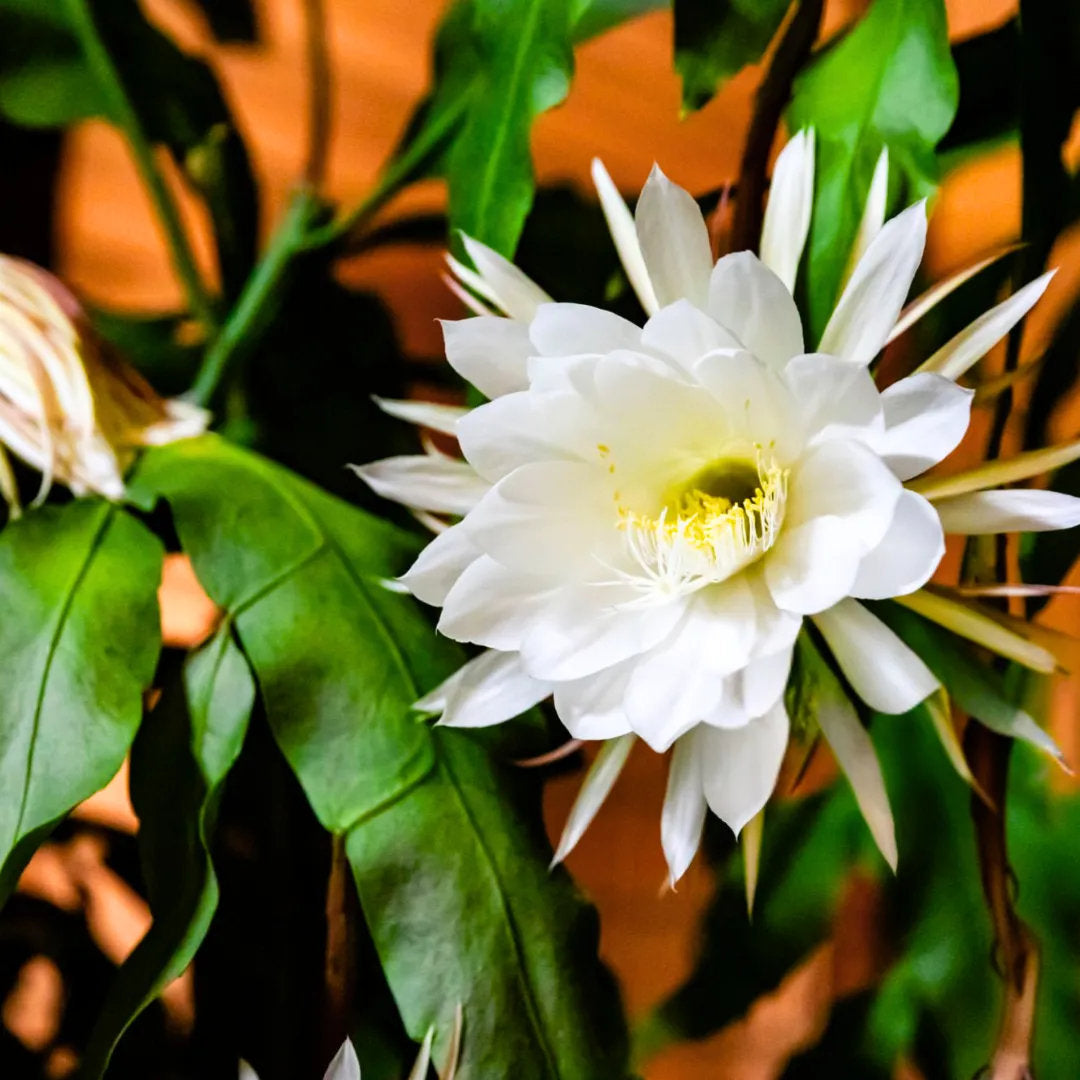
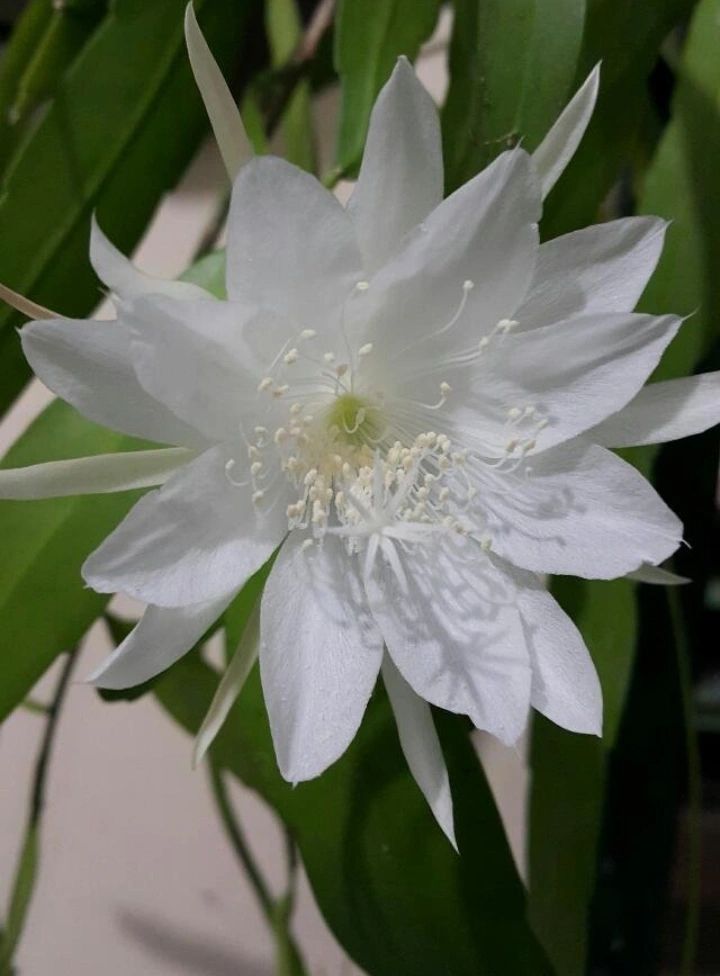
  • Flower Color: Produces large, elegant white flowers with delicate petals.

  • Plant Characteristics: A tropical, epiphytic cactus with flattened, leaf-like green stems.

  • Garden Uses: Suitable for tropical gardens, shaded patios, and protected growing spaces.

  • Unique Appeal: Known for fragrant flowers that typically open at night and fade by morning.

Growing Benefits

  • Adds an unusual tropical appearance to home gardens and patios.

  • Produces fragrant white blooms that create a memorable nighttime display.

  • Offers an interesting growing project for cactus and succulent enthusiasts.

  • Grows well in bright, filtered light with suitable care.

  • Can be trained to grow gracefully in hanging or elevated containers.

Seed Specifications

  • Common Name: Kadupul Flower, Queen of the Night, Night-Blooming Cereus

  • Botanical Name: Epiphyllum oxypetalum

  • Plant Type: Tropical epiphytic cactus

  • Colors: White flowers and green stems

  • Height: Can develop long, arching stems several feet in length under favorable conditions.

  • Sunlight: Bright, indirect light or partial shade

  • Soil: Loose, airy, well-draining growing medium rich in organic matter

  • Water: Water when the surface begins to dry; avoid waterlogged soil.

  • Germination Time: Variable; seed germination depends on freshness, warmth, moisture, and growing conditions.

  • Sowing Depth: Surface-sow or barely cover the seeds with a fine layer of growing medium.

  • Spacing: Sow with room between seeds to allow airflow and easier transplanting.

  • Growing Zones: Generally suited to USDA zones ten and above outdoors; grow in containers in cooler climates.

  • Flowering/Maturity: Seed-grown plants may take several years to flower, depending on growing conditions.

  • Uses: Ornamental gardens, tropical plant collections, patios, and protected indoor growing spaces.

Growing Tips

  • Sow seeds on the surface of a fine, sterile, well-draining seed-starting mix.

  • Maintain gentle warmth and consistent moisture without soaking the growing medium.

  • Provide bright, indirect light rather than harsh afternoon sunlight.

  • Transplant seedlings carefully once they are established and large enough to handle.

Seed Storage

Keep unused seeds in a dry, cool, dark place in a sealed container. Protect them from humidity, excessive heat, and direct sunlight. For best results, follow any storage instructions provided by your seed supplier, as seed longevity can vary.

Unique Facts About Kadupul Flower Seeds

  • Night-blooming flowers: The plant is famous for its large, fragrant white flowers that usually open after dark and fade by morning.

  • Epiphytic growth: In its natural habitat, this cactus can grow on trees or other supporting surfaces rather than rooting directly in ordinary ground soil.

  • Leaf-like stems: Its broad, flattened green stems perform photosynthesis and may resemble leaves.

  • Seed-grown plants vary: Plants raised from seed may differ in growth and flowering characteristics, and they usually take longer to mature than plants propagated from stem cuttings.

Growing Instructions

Planting Season

Sow Kadupul flower seeds during warm weather when you can provide steady temperatures and suitable humidity. Indoor sowing allows greater control over growing conditions throughout the year.

Seed Sowing and Preparation

Use a clean seed tray or shallow pot filled with a fine, sterile, well-draining seed-starting mix. Scatter the seeds evenly over the surface. Press them gently into the medium and leave them uncovered or apply only a very thin layer of fine mix.

Sowing Depth and Spacing

Because the seeds are small, avoid burying them deeply. Leave enough space between seeds to reduce overcrowding and help seedlings develop with good airflow.

Sunlight and Temperature

Place the seed tray in a warm location with bright, indirect light. Protect it from intense direct sunlight, which can overheat the growing medium and dry out delicate seedlings.

Soil and Watering

Choose a light, airy growing medium that retains some moisture while draining excess water efficiently. Mist gently to avoid washing away the seeds. Keep the medium evenly moist, never saturated. A transparent humidity cover can help maintain moisture, but provide ventilation to limit fungal growth.

Germination and Seedling Care

Germination time varies according to seed viability and environmental conditions. Check the tray regularly for emerging seedlings. Once growth appears, gradually increase ventilation and maintain bright, filtered light. Avoid letting the seedlings dry out completely.

Transplanting

Move seedlings into individual small pots once they are sufficiently developed to handle safely. Use a loose cactus mix amended with suitable organic material, and disturb the delicate roots as little as possible. Allow seedlings time to establish before moving them into larger containers.

Fertilizing

Do not apply strong fertilizer to newly germinated seedlings. Once established and actively growing, use a diluted, balanced fertilizer suitable for epiphytic cacti, following the product label.

Ongoing Care

Maintain warmth, good airflow, and moderate moisture. Protect the plant from frost and harsh midday sunlight. As the plant matures, provide enough room for its long, arching stems and use a stable container with excellent drainage.

Flowering and Maturity

Mature plants may produce large, fragrant white flowers during favorable growing conditions. Seed-grown plants can require several years to reach flowering maturity. Adequate light, appropriate nutrition, and healthy growth help support future blooms, but flowering time cannot be guaranteed.