


Key Features
-
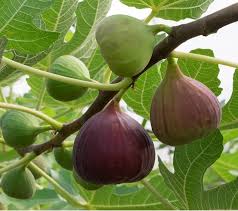
Classic Fig Variety: Kadota is a well-known common fig associated with Ficus carica and the Dottato fig group.
-
Beautiful Foliage: Develops large, deeply lobed green leaves that create an attractive Mediterranean garden appearance.
-
Distinctive Fruit: Kadota-type figs are known for green to yellow-green skin and sweet, richly flavored flesh when mature.
-
Warm-Climate Tree: Performs best in warm locations with abundant sunlight and well-drained soil.
-
Seed-Growing Project: An interesting choice for gardeners who enjoy experimenting with fruit trees from seed.
Growing Benefits
-
Adds a classic Mediterranean character to the landscape
-
Produces attractive broad green foliage
-
Offers an exciting long-term fruit-tree growing project
-
Suitable for warm gardens, patios, and large containers
-
Can produce figs when mature under suitable growing conditions
Seed Specifications
-
Plant Type: Deciduous fruit tree; Ficus carica
-
Fruit: Kadota-type figs with green to yellow-green skin and sweet flesh
-
Growth Habit: Woody tree or large shrub with spreading branches
-
Sunlight: Full sun
-
Soil & Water: Fertile, well-drained soil with regular moisture during active growth
Growing Tips
-
Sow seeds shallowly in a fine, well-draining growing medium.
-
Provide warmth, bright light, and consistent moisture during germination.
-
Give seedlings individual containers as they develop to reduce root competition.
-
Remember that seed-grown plants can differ from the original Kadota cultivar in fruit characteristics.
Seed Storage
Keep unused seeds in a cool, dry location protected from humidity and direct sunlight. Store them in a sealed container until planting. For the best germination potential, avoid prolonged exposure to heat and moisture.
Unique Facts About Seeds
-
Kadota is classified as a common-type fig.
-
Kadota is also associated with the name Dottato in fig literature.
-
Common-type figs can mature fruit without requiring pollination.
-
The edible fig is botanically a specialized structure called a syconium rather than a conventional single fruit.
-
Kadota figs are valued for both fresh use and drying.
-
Fig trees have distinctive deeply lobed foliage that varies among cultivars.
-
Seed propagation does not reliably preserve the exact characteristics of a named fig cultivar, so seedlings can differ from the parent plant.
Growing Instructions
Planting Season: Start seeds during the warm growing season. In colder regions, begin indoors or in a protected greenhouse.
Sowing: Use a fine, sterile, well-draining seed-starting medium. Moisten the medium before sowing.
Depth: Sprinkle seeds on the surface or cover them only very lightly with fine growing medium because fig seeds are small.
Spacing: Start seedlings separately when possible so developing roots have adequate room.
Sunlight: Provide bright light during seedling growth. Gradually acclimate young plants to full outdoor sun.
Soil: Use fertile, well-drained soil that does not remain saturated after watering.
Watering: Keep the growing medium lightly and consistently moist during germination. Once established, allow the upper soil surface to dry slightly between thorough waterings.
Germination: Maintain warm conditions and steady moisture. Germination can be variable depending on seed freshness and growing conditions.
Transplanting: Move established seedlings carefully into larger containers or their permanent growing location. Avoid unnecessary root disturbance.
Fertilizing: Feed established plants with a balanced fruit-tree fertilizer according to the product label during active growth.
Care: Provide full sun, good drainage, adequate airflow, and sufficient space for the developing canopy. Prune selectively to maintain a manageable shape.
Flowering & Pollination: Kadota belongs to the common fig group, which can develop mature fruit without pollination.
Fruit Development: Mature plants can develop sweet figs during the growing season. Seed-grown plants may vary from the named Kadota cultivar and should be treated as variable seedlings rather than guaranteed true-to-type Kadota plants.
Maturity: Fig trees require patience when grown from seed. Fruiting time can vary substantially according to genetics, climate, and growing conditions.
Kadota Fig Fruit Seeds for Planting | Ficus Carica
Grow Kadota-type fig trees from seed with lush foliage and sweet fruit. An exciting warm-climate gardening project for fig enthusiasts.
Image Alt Text:
Kadota Fig Fruit Seeds for Planting – Ficus Carica Fig Tree Garden Seeds
Primary Image Filename:
kadota-fig-fruit-seeds-for-planting.jpg
Additional SEO-Friendly Image Filenames:
kadota-fig-ficus-carica-seeds.jpg
kadota-fig-tree-fruit-seeds.jpg
dottato-kadota-fig-seeds.jpg
Image Text Options:
Grow Your Own Kadota Fig Tree
Plant a Classic Fig Favorite
Discover Sweet Garden Figs
From Seed to Fig Tree