


Key Features
-
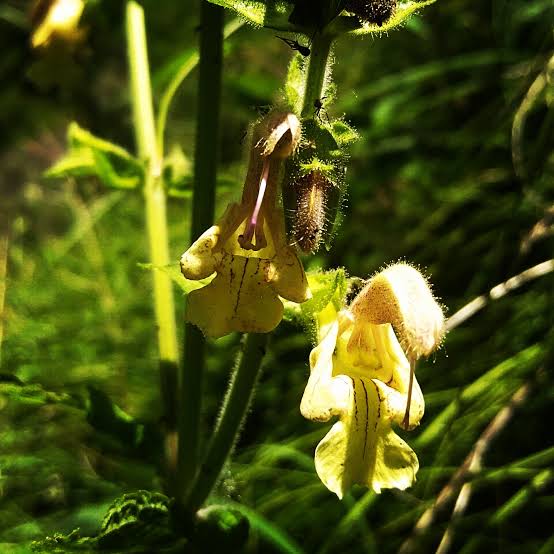
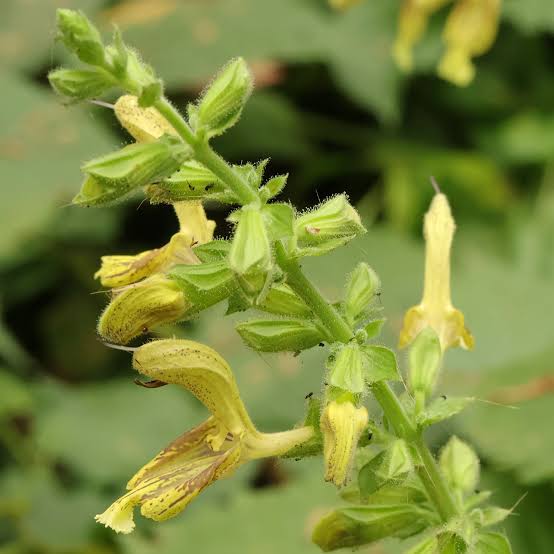
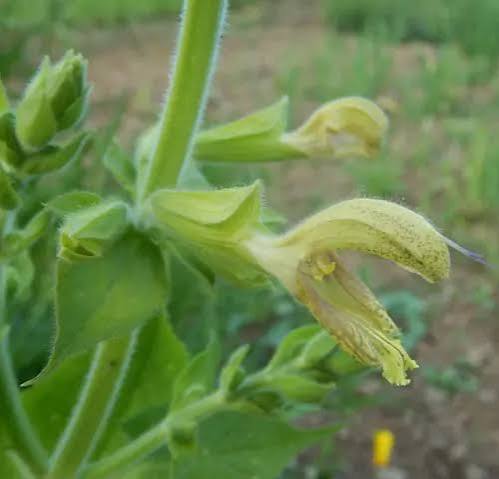
Pale Yellow Flowers: Produces delicate, two-lipped yellow blossoms, often marked with reddish-brown details.
-
Woodland Perennial Growth: Develops upright flowering stems from an established perennial root system.
-
Large Green Leaves: Features broad, toothed foliage with a softly textured appearance.
-
Distinctive Sticky Stems: Flowering stems and surrounding structures have glandular hairs that create a sticky texture.
-
Partial Shade Adaptability: Suitable for woodland edges, shaded borders, and naturalistic planting areas.
Growing Benefits
-
Unusual Flower Color: Adds soft yellow blossoms to perennial garden arrangements.
-
Woodland Garden Interest: Complements shaded borders and informal plantings.
-
Architectural Flowering Stems: Upright branching stems provide height and seasonal structure.
-
Flower-Visiting Insects: The tubular flowers may attract bees and other pollinating insects.
-
Perennial Seasonal Growth: Established plants can return in suitable climates.
Seed Specifications
-
Common Name: Jupiter's Distaff, Sticky Sage, Sticky Clary
-
Botanical Name: Salvia glutinosa
-
Plant Family: Lamiaceae
-
Plant Type: Ornamental Flowering Woodland Sage
-
Plant Classification: Herbaceous Perennial
-
Variety: Species Form; Cultivar Not Specified
-
Flower Color: Pale Yellow With Reddish-Brown Markings
-
Flower Shape: Tubular, Two-Lipped Flowers
-
Flower Arrangement: Loose Flowering Spikes With Whorled Blossoms
-
Foliage Color: Medium Green
-
Leaf Shape: Broad, Ovate to Triangular, With Pointed Tips
-
Leaf Margins: Toothed
-
Leaf Arrangement: Opposite
-
Leaf Texture: Softly Hairy, With Sticky Glandular Surfaces
-
Plant Height: Approximately 20–40 Inches
-
Plant Spread: Approximately 12–20 Inches
-
Growth Habit: Upright, Bushy, Clump-Forming
-
Sunlight: Partial Shade to Full Sun
-
Soil: Moist but Well-Draining Loam, Sandy or Chalky Soil
-
Soil pH: Adaptable to Acidic, Neutral, or Alkaline Soil
-
Water Requirements: Moderate; Maintain Moisture During Establishment
-
Germination Time: Variable; Exact Seed-Lot Timing Not Verified
-
Germination Temperature: Moderate Spring Propagation Conditions
-
Seed Preparation: Cold Treatment May Help Dormant Seed Lots
-
Sowing Depth: Surface Sow or Cover Very Lightly
-
Plant Spacing: Approximately 18–24 Inches
-
USDA Growing Zones: Approximately 5–8 as a General Guide; Site Dependent
-
Planting Season: Spring
-
Flowering Season: Summer to Early Autumn
-
Growth Maturity: May Require Several Growing Seasons to Reach Full Size
-
Native Region: Europe and Parts of Western Asia
-
Uses: Woodland Gardens, Shaded Borders, Cottage Gardens, Botanical Collections
-
Seed Count Per Pack: Confirm Actual Quantity
-
Special Characteristics: Yellow Flowers, Sticky Stems, Broad Green Leaves, Woodland Adaptability
Growing Tips
-
Choose Partial Shade: Select a location with morning sunlight or filtered light beneath open tree canopies.
-
Maintain Soil Moisture: Keep soil moderately moist during establishment without allowing prolonged waterlogging.
-
Provide Growing Space: Allow room for broad foliage and upright flowering stems.
-
Remove Spent Flower Spikes: Trim faded flowers to maintain appearance and limit unwanted seedlings.
-
Protect Young Growth: Check emerging shoots for slug and snail activity.
-
Monitor Spreading: Remove volunteer seedlings and manage expanding clumps where necessary.
Seed Storage
-
Cool Storage: Keep seeds in a cool location with stable temperatures.
-
Dry Conditions: Store properly dried seeds in sealed, moisture-resistant containers.
-
Light Protection: Keep seed packets away from prolonged direct sunlight.
-
Proper Labeling: Record the botanical name, seed lot, and collection date.
-
Seed Rotation: Test older seed lots before beginning larger propagation projects.
Unique Facts About the Seeds
-
Unusual Yellow Sage: Unlike many ornamental salvias with blue, purple, or red flowers, Salvia glutinosa produces pale yellow blossoms.
-
Distinctive Sticky Texture: Glandular hairs create a tacky surface on parts of the plant.
-
Woodland Origin: The species naturally occurs in woodland habitats across parts of Eurasia.
-
Flower Markings: Yellow flowers often display reddish-brown markings near their throats.
-
Seed-Grown Perennial: Plants can be propagated from seed, and established clumps may also be divided in spring.