Skip to product information
1 of 4

EdenValleySeeds

Winter Jasmine Flower Seeds for Planting – Jasminum nudiflorum Yellow Winter Blooms

Winter Jasmine Flower Seeds for Planting – Jasminum nudiflorum Yellow Winter Blooms

No reviews yet
Regular price $18.99 USD
Regular price Sale price $18.99 USD
Sale Sold out
Size
Quantity
DELIVERY ESTIMATE
Oct 21 – Oct 23 Estimated arrival
ORDER Oct 11 Order placed
ORDER READY Oct 13 – Oct 14 2–3 business days
DELIVERED Oct 21 – Oct 23 10–12 business days total
Carefully packed and tracked from dispatch to delivery.
Secure checkout Carefully packed seeds Tracked delivery Quality-focused selection
View full details

Key Features

  • Winter-Blooming Beauty: Produces cheerful yellow flowers during the colder season or around the transition into spring.
  • Distinctive Variety: Jasminum nudiflorum is a deciduous jasmine known for its long, arching green stems.
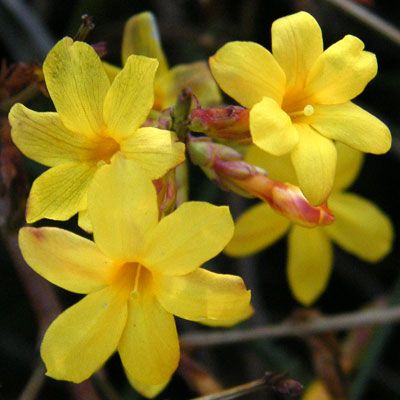
  • Bright Yellow Flowers: Star-shaped yellow blooms add vibrant seasonal color to the landscape.
  • Versatile Garden Plant: Well suited for walls, borders, slopes, ground cover, and sheltered garden areas.
  • Cold-Hardy Ornamental: An excellent choice for gardeners seeking a hardy jasmine with attractive winter interest.

Growing Benefits

  • Adds bright color to the garden when many plants are dormant.
  • Creates an attractive cascading or arching appearance as stems develop.
  • Works well for covering walls, banks, and other garden spaces.
  • Provides a long-lasting ornamental feature with attractive green stems.
  • Offers an interesting way to grow jasmine from seed and observe its development.

Seed Specifications

  • Common Name: Winter Jasmine
  • Botanical Name: Jasminum nudiflorum
  • Plant Type: Deciduous flowering shrub with long, arching stems
  • Colors: Bright yellow flowers with green stems
  • Height: Can develop into a large, spreading plant, commonly reaching several metres when mature
  • Sunlight: Full sun to partial shade
  • Soil: Well-drained, moderately fertile soil
  • Water: Keep evenly moist during establishment; avoid prolonged waterlogging
  • Germination Time: Variable and potentially slow or irregular because woody shrub seeds can have dormancy requirements
  • Sowing Depth: Lightly cover the seeds with a fine growing medium
  • Spacing: Give young plants generous room for their eventual spreading and arching growth
  • Growing Zones: Generally suited to USDA Zones six through nine, depending on local conditions
  • Flowering/Maturity: Typically flowers in winter or early spring; seed-grown plants may take time to reach flowering maturity
  • Uses: Borders, wall planting, ground cover, slopes, banks, containers, and ornamental landscapes

Growing Tips

  • Use a clean, well-draining seed-starting medium to reduce the risk of excessive moisture around the seeds.
  • Keep the growing medium consistently moist but never saturated.
  • Provide bright light and protect young seedlings from harsh weather while they establish.
  • Be patient with germination, as woody shrub seeds can have dormancy and may not emerge uniformly.

Seed Storage

Store unused seeds in their original packet or a sealed, moisture-resistant container. Keep them in a cool, dry, dark location away from heat and humidity. Avoid exposing the seeds to moisture before planting.

Unique Facts About Seeds

  • Winter jasmine belongs to the olive family, Oleaceae.
  • Unlike many jasmines grown primarily for fragrance, winter jasmine is especially valued for its bright yellow flowers and winter-season display.
  • The species is native to China.
  • Winter jasmine is commonly propagated through layering and cuttings, while growing it from seed can be a more patient gardening project.

Growing Instructions

Planting Season: Sow in autumn where natural winter conditions are suitable, or start seeds under protection when conditions can be controlled. Autumn sowing can allow natural seasonal conditions to help with seed dormancy.

Sowing: Fill a clean seed tray or small pot with a well-draining seed-starting mix. Sow the seeds evenly and lightly cover them with fine growing medium.

Depth: Avoid burying the seeds deeply. A light covering is generally preferable for small or potentially slow-germinating shrub seeds.

Spacing: If sowing in trays, avoid overcrowding. Once seedlings are large enough to handle, give each plant enough space for healthy root and shoot development.

Sunlight: Place seedlings in a bright location with good natural light. Once established, winter jasmine grows well in full sun or partial shade.

Soil: Use fertile, well-drained soil. Good drainage is important because winter jasmine prefers soil that does not remain waterlogged.

Watering: Keep the soil evenly moist during germination and early growth. Allow excess water to drain away rather than leaving the growing medium constantly saturated.

Germination: Germination can be unpredictable for woody shrubs because some seeds have dormancy requirements. Do not assume that a fixed germination period applies to every seed lot. Some shrub seeds benefit from seasonal chilling or other dormancy-breaking conditions.

Transplanting: Once seedlings are well established and have developed a healthy root system, transplant them carefully into individual containers or their permanent growing position. Harden young plants gradually before moving them outdoors.

Fertilizing: After establishment, feed during active growth with a balanced garden fertilizer according to the fertilizer manufacturer's instructions. Avoid heavy feeding of young seedlings.

Care: Provide support or a suitable structure if you want the arching stems trained against a wall or other garden feature. Prune after flowering when necessary to maintain shape and encourage fresh growth.

Flowering and Maturity: Winter jasmine is valued for yellow flowers that appear in winter or early spring. Plants grown from seed may require patience before reaching flowering size, as seed-grown woody plants can take considerable time to mature.