


Key Features
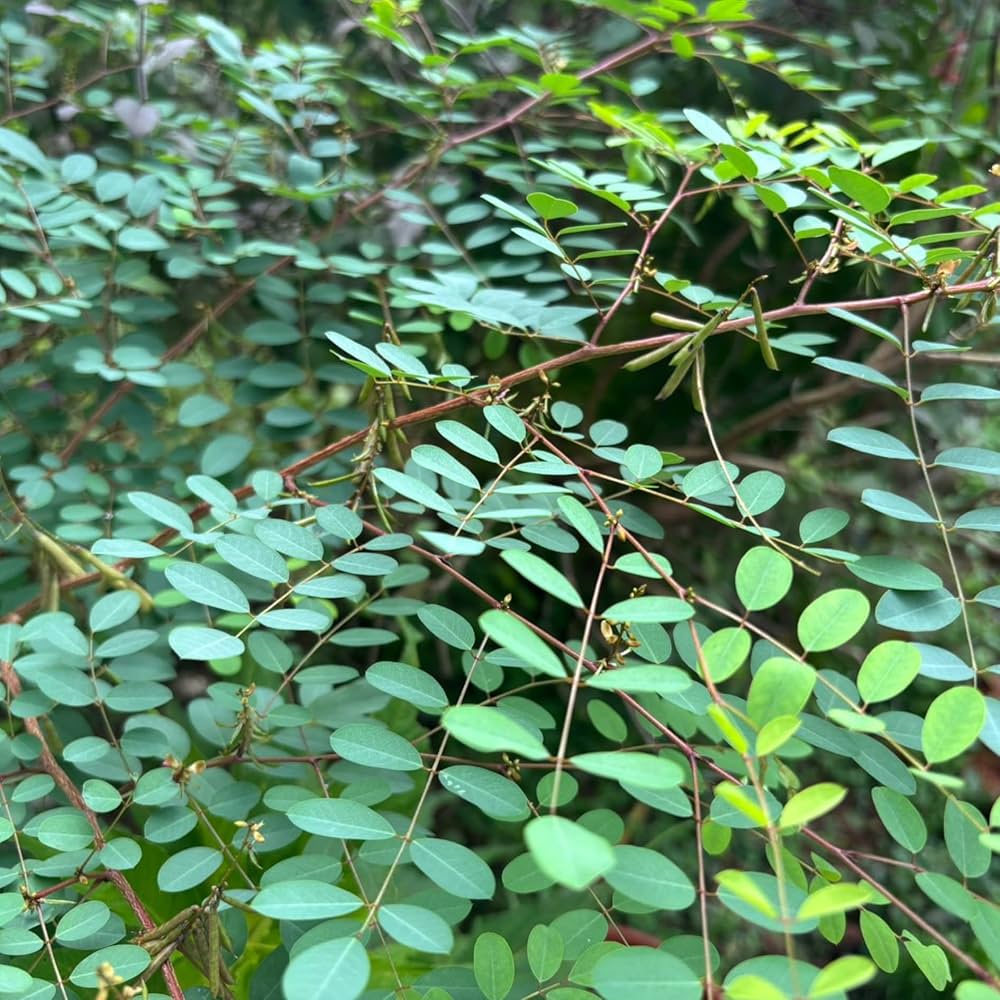
- True indigo variety with attractive green, pinnate foliage and compact growth.
- Produces small pink to purple flowers in slender clusters during warm growing periods.
- Grows as an upright, branching herbaceous shrub in suitable warm climates.
- Excellent choice for dye gardens, educational gardens, cottage gardens, and ornamental planting.
- Leaves contain compounds traditionally processed to produce natural indigo blue dye.
Growing Benefits
- Adds distinctive foliage and delicate flowers to warm-climate gardens.
- Offers an interesting plant for learning about traditional natural dyeing.
- Suitable for garden spaces dedicated to useful and historically important plants.
- Can provide seasonal interest through its flowers, foliage, and seed pods.
- As a legume, it can form associations with nitrogen-fixing bacteria in the soil.
Seed Specifications
Common Name: True Indigo, Indigo, Dyer's Indigo
Botanical Name: Indigofera tinctoria
Plant Type: Shrubby herb / perennial in warm climates
Colors: Green foliage; pink, purple, or reddish flowers
Height: About one to two metres, depending on growing conditions
Sunlight: Full sun to partial shade
Soil: Well-drained soil; neutral to mildly variable soil conditions are tolerated
Water: Moderate and consistent moisture; avoid waterlogging
Germination Time: About four to five days under suitable conditions
Sowing Depth: About one to two centimetres
Spacing: About thirty centimetres between rows
Growing Zones: Generally suited to warm USDA Zones ten through twelve
Flowering/Maturity: Flowering may begin about three to four months after sowing under suitable conditions
Uses: Natural dye garden, ornamental planting, educational gardens, traditional dye production
Growing Tips
- Sow seeds in warm soil after the danger of frost has passed.
- Choose a sunny location with good drainage and protection from prolonged waterlogging.
- Keep the seedbed evenly moist while seeds are establishing, without making the soil soggy.
- Provide enough space around plants for airflow and healthy branching.
Seed Storage
Store unused seeds in a cool, dry, dark place. Keep them in a tightly sealed, moisture-resistant container away from heat and direct sunlight. Avoid storing seeds in damp conditions or places with frequent temperature changes.
Unique Facts About Seeds
- True indigo is one of the historically important plants used to produce natural blue indigo dye.
- The species belongs to the legume family, Fabaceae.
- Its seed pods are slender and can contain several seeds; botanical references describe pods with multiple seeds.
- Indigofera tinctoria forms relationships with nitrogen-fixing bacteria through root nodules.