


Key Features
-
Plant Variety: Illinois Bundleflower, also known as Prairie Mimosa or Prairie Bundleflower.
-
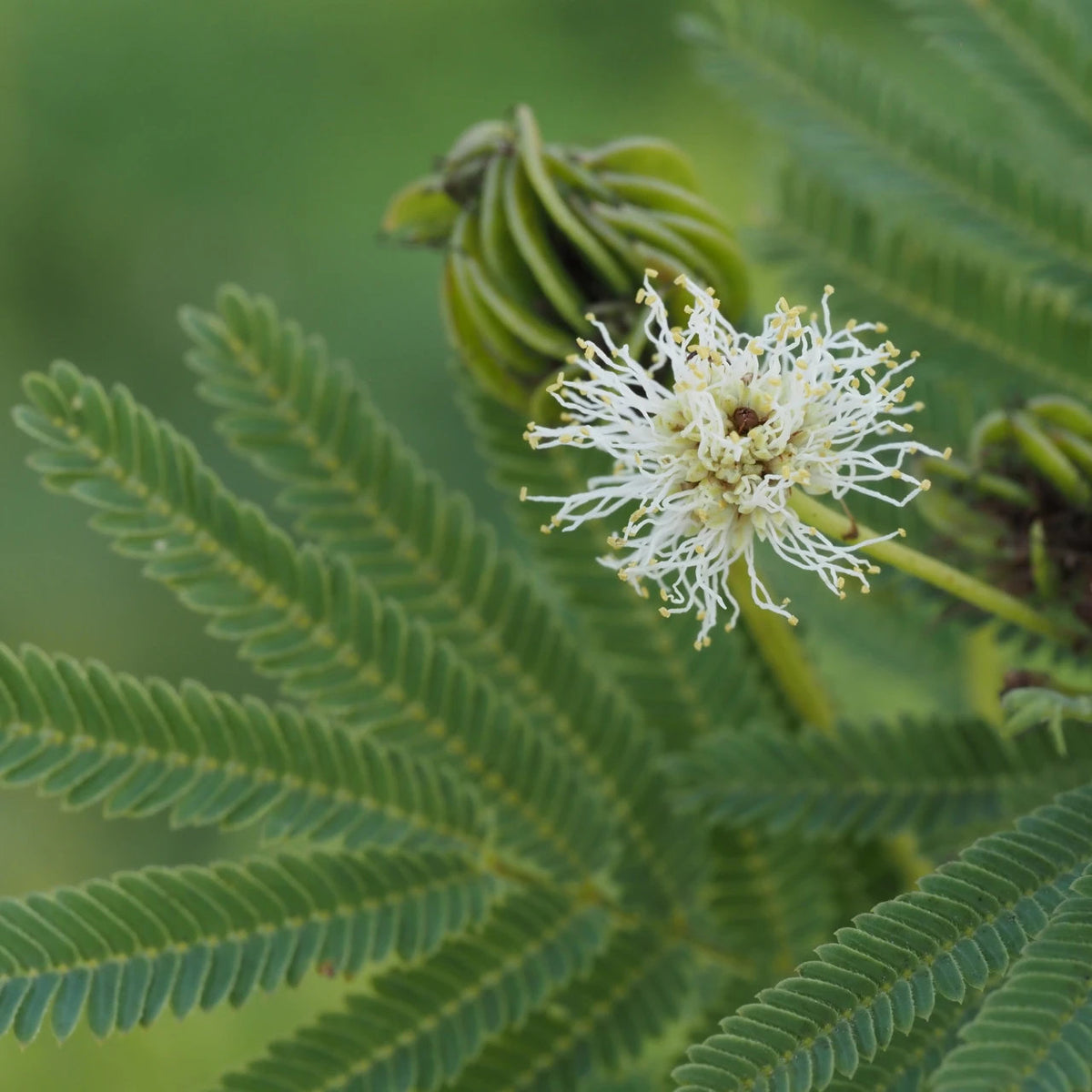
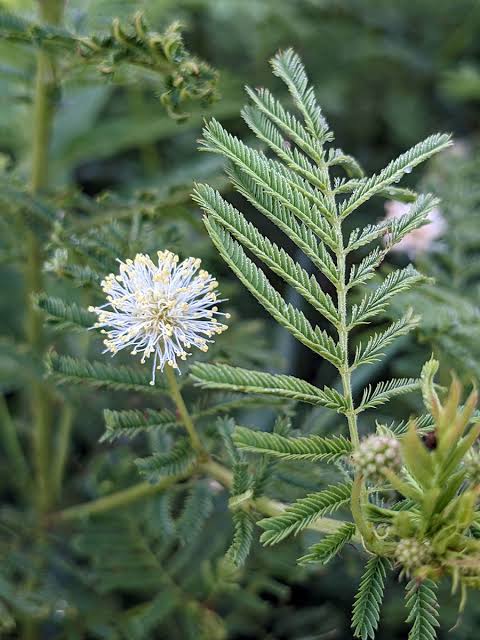
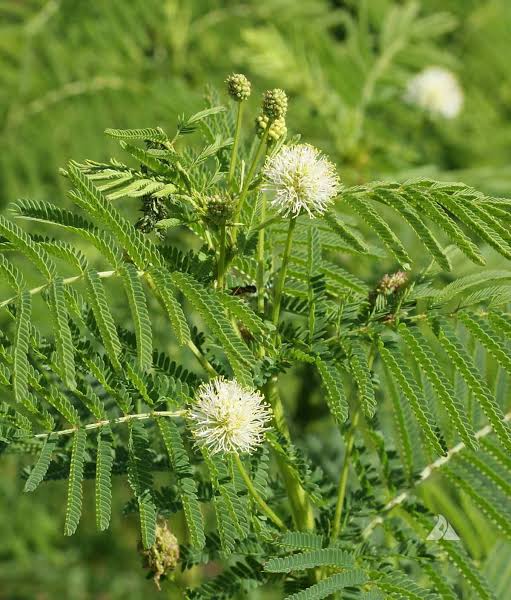
Flower Color: Produces delicate, rounded clusters of tiny white to creamy-white flowers.
-
Plant Characteristics: Warm-season perennial legume with finely divided, fern-like green foliage.
-
Garden Uses: Suitable for native plant gardens, prairie landscapes, naturalized areas, and wildlife-friendly gardens.
-
Unique Features: Develops distinctive curved seed pods and deep-growing roots.
Growing Benefits
-
Adds delicate white flower clusters and attractive foliage to sunny gardens.
-
Supports pollinators and provides seeds for native wildlife.
-
Its nitrogen-fixing roots contribute to natural soil fertility.
-
Offers an interesting perennial addition to prairie-inspired landscapes.
-
Tolerates periods of dry weather once properly established.
Seed Specifications
Common Name: Illinois Bundleflower, Prairie Mimosa, Prairie Bundleflower
Botanical Name: Desmanthus illinoensis
Plant Type: Herbaceous perennial legume
Colors: Green foliage, white to creamy-white flowers, dark brown mature seed pods
Height: Approximately two to four feet, depending on growing conditions.
Sunlight: Full sun.
Soil: Well-drained sandy, loamy, or moderately textured soil.
Water: Moderate during establishment; relatively drought-tolerant once established.
Germination Time: Variable depending on seed dormancy, pretreatment, temperature, and moisture.
Sowing Depth: Approximately one-quarter inch.
Spacing: Allow approximately twelve to eighteen inches between plants.
Growing Zones: Generally suitable for USDA zones five through eight; regional adaptation varies.
Flowering/Maturity: Flowers during summer, generally from June through September. Seed pods mature later in the growing season.
Uses: Native landscaping, prairie restoration, wildlife gardens, forage plantings, and ecological planting projects.
Growing Tips
-
Choose a sunny planting location with sufficient room for mature growth.
-
Gently scarify hard seeds or soak them in warm water before sowing to encourage germination.
-
Avoid waterlogged soil because excessive moisture can affect young seedlings.
-
Allow established plants to develop naturally without excessive fertilization.
Seed Storage
-
Store seeds in a cool, dry, and dark location.
-
Keep seeds inside an airtight container or sealed seed packet.
-
Protect them from humidity, direct sunlight, and excessive heat.
-
Label the container with the plant name and storage date.
-
Avoid storing seeds in damp conditions.
Unique Facts About Illinois Bundleflower Seeds
-
Illinois bundleflower belongs to the Fabaceae family, which includes peas and beans.
-
Its finely divided leaves resemble delicate fern foliage and can fold when touched.
-
Tiny flowers grow in rounded, powder-puff-like clusters with prominent stamens.
-
Its mature curved seed pods form distinctive bundles and provide food for wildlife.