




Key Features
- Tropical Palmyra palm known for its distinctive fan-shaped leaves
- Develops a tall, sturdy trunk with a broad crown
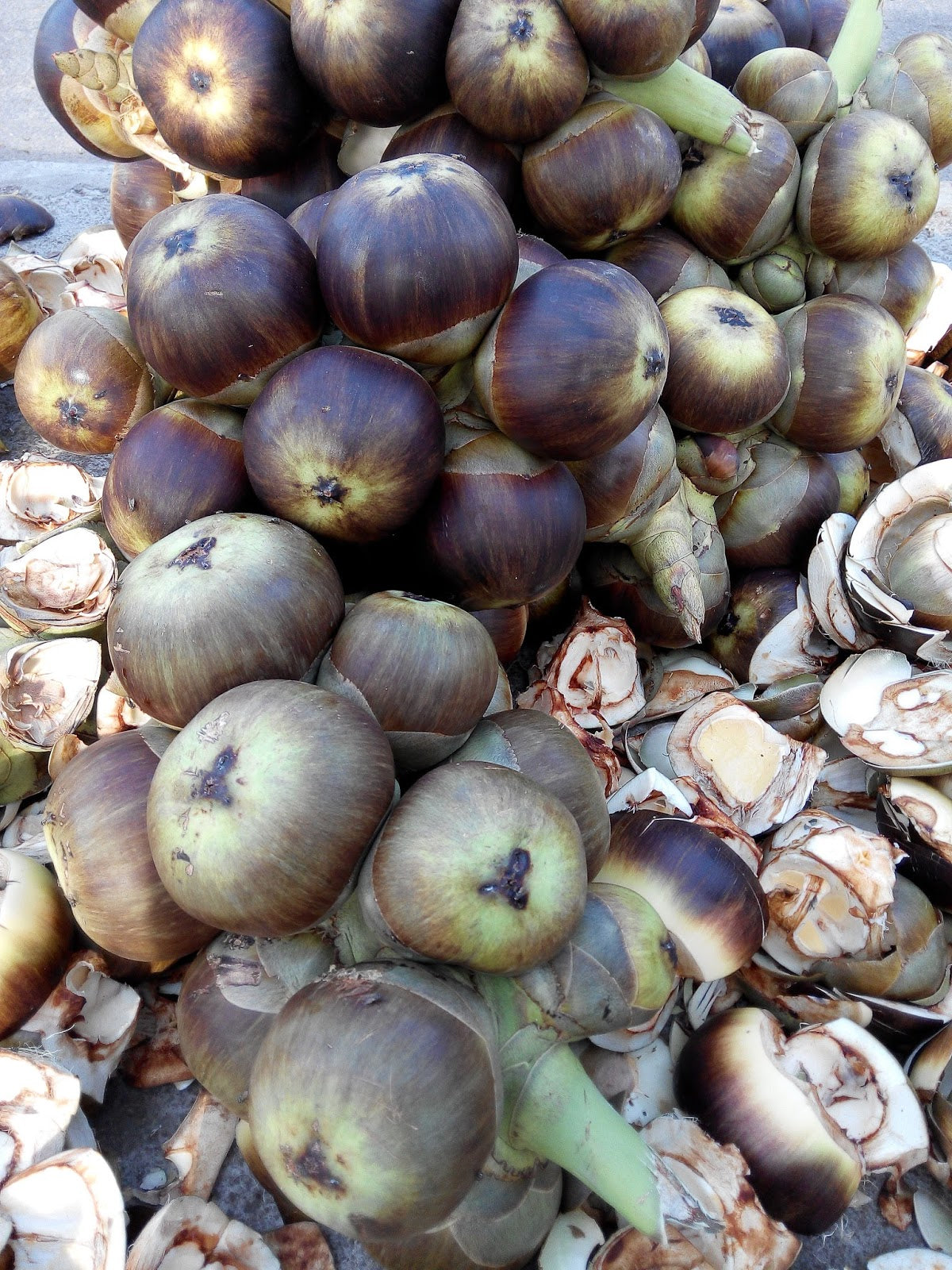
- Produces large, fibrous fruits containing the familiar ice apple seeds
- Well suited to warm tropical and subtropical landscapes
- Adds a distinctive architectural form to spacious gardens and landscapes
Growing Benefits
- Creates an attractive tropical focal point in spacious landscapes
- Offers an interesting long-term gardening project for palm enthusiasts
- Develops distinctive fan foliage with strong ornamental appeal
- Adapted to warm climates with seasonal rainfall
- Provides an opportunity to grow a culturally significant palm
Seed Specifications
Common Name: Ice Apple Palm, Palmyra Palm, Toddy Palm
Botanical Name: Borassus flabellifer
Plant Type: Tropical, solitary fan palm
Colors: Grey-green foliage; dark trunk; fruits mature from greenish tones to dark or black
Height: Mature palms can reach approximately 20–30 m under suitable conditions
Sunlight: Full sun
Soil: Well-drained sandy or loamy soil; tolerates a range of soils
Water: Moderate during establishment; drought tolerance improves with maturity
Germination Time: Commonly several weeks, with germination often beginning around 45–60 days
Sowing Depth: Plant the seed deeply enough to remain firmly covered and stable; avoid shallow surface sowing
Spacing: Allow very generous spacing because mature palms become large
Growing Zones: Tropical and warm subtropical climates; generally unsuitable for cold climates
Flowering/Maturity: Slow-growing during establishment; mature palms eventually produce separate male or female flowers
Uses: Landscape planting, tropical gardens, traditional food uses, shade, palm products and cultural applications
The species is native across India and parts of tropical Asia, while its mature growth form can reach substantial height.
Growing Tips
- Choose an open location with plenty of direct sunlight and room for future growth.
- Sow fresh, viable seeds directly where the palm will remain permanently.
- Keep the planting area evenly moist during establishment without leaving it waterlogged.
- Protect young seedlings from severe disturbance while their underground growth develops.
Seed Storage
Keep unused seeds in a cool, dry, well-ventilated place away from direct sunlight and moisture. Store them in a clean breathable or moisture-resistant container according to their condition. For best results, use viable planting material rather than storing seeds for unnecessarily long periods.
Unique Facts About Seeds
- Ice apple comes from Borassus flabellifer, a large tropical fan palm native to India and Southeast Asia.
- Each fruit commonly contains one to three large seeds enclosed within a hard endocarp.
- The seed has a distinctive remote-tubular germination pattern, with early growth extending downward before leaves emerge above the soil.
- Young palms can remain in a rosette-like establishment stage for several years before substantial trunk development begins.