Skip to product information
1 of 4

EdenValleySeeds

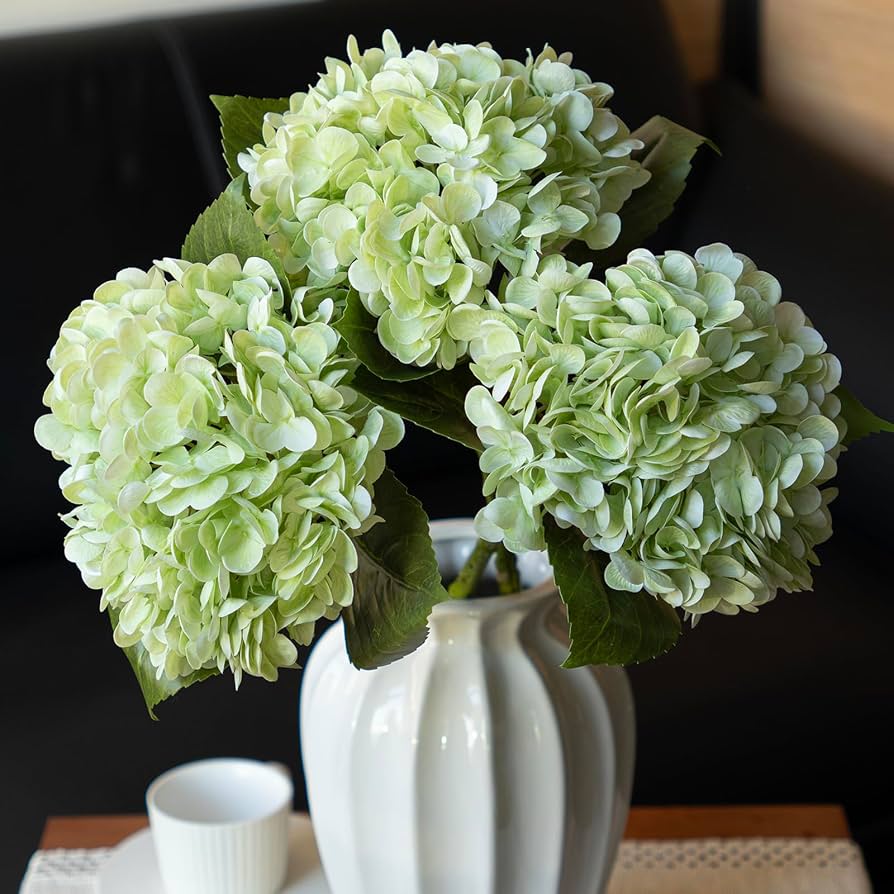
Hydrangea Light Green Flower Seeds for Planting – Elegant Garden Blooms

Hydrangea Light Green Flower Seeds for Planting – Elegant Garden Blooms

No reviews yet
Regular price $18.89 USD
Regular price Sale price $18.89 USD
Sale Sold out
Size
Quantity
DELIVERY ESTIMATE
Oct 21 – Oct 23 Estimated arrival
ORDER Oct 11 Order placed
ORDER READY Oct 13 – Oct 14 2–3 business days
DELIVERED Oct 21 – Oct 23 10–12 business days total
Carefully packed and tracked from dispatch to delivery.
Secure checkout Carefully packed seeds Tracked delivery Quality-focused selection
View full details

Key Features

  • Produces soft light green blooms with a graceful, classic hydrangea appearance.
  • Hydrangea plants offer lush foliage and rounded flower clusters.
  • Beautiful choice for cottage gardens, borders, beds, and ornamental landscapes.
  • Flower colors may develop or change with plant maturity and growing conditions.
  • Adds a romantic, refreshing look to home gardens and floral displays.

Growing Benefits

  • Creates a soft, elegant garden atmosphere with attractive flowering plants.
  • Provides a rewarding growing project for patient home gardeners.
  • Works beautifully in mixed flower beds and cottage-style landscapes.
  • Lush foliage adds ornamental interest even before flowering.
  • Can be grown from seed for a fulfilling gardening experience.

Seed Specifications

  • Common Name: Hydrangea, Light Green Hydrangea
  • Botanical Name: Hydrangea spp.
  • Plant Type: Woody ornamental flowering shrub
  • Colors & Height: Light green blooms; mature height varies by species and cultivar
  • Sunlight, Soil & Water: Bright filtered light or partial shade; rich, well-drained soil; consistently moist soil without waterlogging
  • Germination & Sowing: Germination may take several weeks; sow seeds on the soil surface or barely cover
  • Spacing & Zones: Provide generous spacing according to mature plant size; growing zones vary by Hydrangea species
  • Flowering/Maturity & Uses: Flowering time varies by species and growing conditions; ideal for borders, beds, cottage gardens, and ornamental planting

Growing Tips

  • Use a fine, well-draining seed-starting mix for healthy early growth.
  • Keep the growing medium consistently moist but never soggy.
  • Provide bright indirect light while young seedlings become established.
  • Transplant carefully after seedlings develop several sets of true leaves.

Seed Storage

Store unused seeds in a cool, dry, dark location away from moisture and heat. Keep them in a tightly sealed seed packet or airtight container. Avoid storing seeds in damp areas or direct sunlight.

Unique Facts About Seeds

  • Hydrangea belongs to the Hydrangeaceae family and includes many ornamental species.
  • Hydrangea flowers are often made up of clusters of smaller individual flowers.
  • Some Hydrangea species can produce flowers whose shades change as blooms mature.
  • Hydrangea seeds are very small, so careful surface sowing helps prevent them from being buried too deeply.

Growing Instructions

Planting Season: Start seeds indoors during a suitable growing period, then transplant outdoors when conditions are favorable and frost danger has passed.

Sowing: Fill a seed tray with a fine, moist, well-draining seed-starting mix. Scatter the tiny seeds gently over the surface.

Depth: Press seeds lightly into the growing medium or cover them with only a very thin layer of fine soil.

Spacing: Give seedlings enough room for air circulation after emergence. Provide wider spacing when transplanting according to the expected mature size of the selected Hydrangea type.

Sunlight: Young plants prefer bright, indirect light. Established Hydrangeas generally perform well in partial shade or gentle morning sun with protection from intense afternoon heat.

Soil: Use fertile, moisture-retentive but well-draining soil enriched with organic matter. Avoid poorly drained locations where water remains around the roots.

Watering: Keep the soil evenly moist during germination and early growth. Once established, water deeply when the soil begins to dry.

Germination: Keep seeds warm, moist, and exposed to bright indirect light. Hydrangea seeds can be slow to germinate, so consistent care and patience are important.

Transplanting: Once seedlings are well established and have developed several true leaves, move them carefully into individual containers. Harden them gradually before planting outdoors.

Fertilizing: Feed established plants with a balanced fertilizer during active growth, following the fertilizer label directions.

Care: Maintain even moisture, remove damaged growth, and provide good air circulation. Protect young plants from extreme heat, drying winds, and harsh weather.

Flowering/Maturity: Hydrangeas generally require patience when grown from seed, and flowering time varies considerably by species and growing conditions. Mature plants can reward gardeners with attractive ornamental blooms and foliage.