Skip to product information
1 of 3

EdenValleySeeds

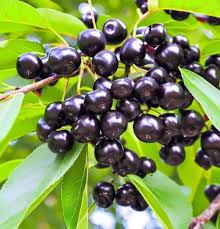
Huckleberry Fruit Seeds for Planting – Heirloom Non-GMO Garden Seeds

Huckleberry Fruit Seeds for Planting – Heirloom Non-GMO Garden Seeds

No reviews yet
Regular price $18.89 USD
Regular price Sale price $18.89 USD
Sale Sold out
Size
Quantity
DELIVERY ESTIMATE
Oct 21 – Oct 23 Estimated arrival
ORDER Oct 11 Order placed
ORDER READY Oct 13 – Oct 14 2–3 business days
DELIVERED Oct 21 – Oct 23 10–12 business days total
Carefully packed and tracked from dispatch to delivery.
Secure checkout Carefully packed seeds Tracked delivery Quality-focused selection
View full details

Key Features

  • Grow distinctive huckleberry plants from seed

  • Produces attractive foliage and small berry-like fruits

  • Great for home gardens, edible landscapes, and berry collections

  • Suitable for gardeners interested in unusual fruiting plants

  • Heirloom, Non-GMO garden seed variety

Growing Benefits

  • Adds an interesting berry plant to your home garden

  • Offers a rewarding experience for gardeners growing fruit from seed

  • Attractive plants can complement edible landscapes

  • Suitable for garden beds and containers depending on species

  • A unique choice for gardeners building a diverse berry collection

Seed Specifications

  • Seed Type: Huckleberry Fruit Seeds; Plant Type: Fruiting shrub or small plant

  • Botanical Name: Vaccinium spp. or Gaylussacia spp.; Common Name: Huckleberry

  • Growth Habit: Shrub or low-growing plant; Fruit: Small berries that may range from red to blue, purple, or black depending on species

  • Sunlight: Full sun to partial shade; Soil: Moist, acidic, well-draining soil

  • Best For: Home gardens, edible landscapes, berry gardens, woodland-style spaces, and suitable containers

Growing Tips

  • Use acidic, well-draining soil suitable for berry-producing plants.

  • Keep the growing medium evenly moist without creating waterlogged conditions.

  • Provide bright sunlight while protecting young plants from extreme heat.

  • Be patient, as huckleberry seeds can require specialized treatment and may germinate slowly.

Seed Storage

Store unused seeds in a cool, dry, dark location away from direct sunlight and excess moisture. Keep them protected in an airtight container until ready for planting.

Unique Facts About Seeds

  • “Huckleberry” refers to several different berry-producing plants rather than one single species.

  • Many true huckleberries belong to the genera Vaccinium and Gaylussacia.

  • Huckleberry fruits can vary considerably in color, size, and flavor depending on the species.

  • Several huckleberry species naturally grow in woodland and mountainous environments.

Growing Instructions

Planting Season: Start seeds during a suitable cool-to-mild growing period or indoors under controlled conditions.

Sowing: Sow seeds on or just beneath a fine, well-draining seed-starting medium and maintain consistent moisture.

Planting Depth: Cover seeds only lightly, as many small berry seeds benefit from access to light during germination.

Spacing: Provide enough room between seedlings for healthy root and foliage development.

Sunlight: Provide bright light or partial shade for young plants, with sunlight adjusted according to the species.

Soil: Use acidic, fertile, moisture-retentive soil with good drainage.

Watering: Keep the soil evenly moist throughout germination and early growth without allowing it to become saturated.

Germination: Huckleberry germination varies by species. Some types may benefit from cold-moist stratification or other dormancy-breaking treatment.

Transplanting: Transplant carefully once seedlings are established and have developed a healthy root system.

Fertilizing: Use a fertilizer formulated for acid-loving plants according to the product label and soil conditions.

Care: Maintain suitable soil acidity, consistent moisture, good drainage, and protection from harsh growing conditions.

Fruit Development: With maturity and suitable conditions, huckleberry plants can produce small edible berries, although fruiting time varies by species.