


Key Features
- Beautiful woodland perennial known for delicate, early-season flowers.
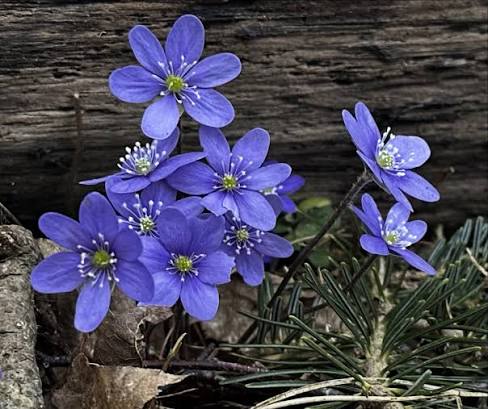
- Flowers may appear in shades of blue, pink, purple, or white depending on the variety.
- Compact, low-growing habit makes it suitable for woodland gardens, rock gardens, borders, and shaded areas.
- Attractive lobed foliage adds ornamental interest even after flowering.
- A charming choice for naturalistic and cottage-style garden planting.
Growing Benefits
- Adds early-season color to shaded or woodland garden spaces.
- Compact growth works well in smaller garden areas and rockeries.
- Perennial growth can provide recurring seasonal interest with suitable conditions.
- Attractive foliage complements other shade-loving plants.
- Well suited to gardeners looking to create a natural woodland-style display.
Seed Specifications
Common Name: Liverleaf, Hepatica
Botanical Name: Hepatica nobilis
Plant Type: Herbaceous perennial
Colors: Blue, purple, pink, and white, depending on variety
Height: Approximately four to eight inches
Sunlight: Partial shade to light shade
Soil: Well-drained, humus-rich, slightly alkaline to neutral soil
Water: Keep soil evenly moist but avoid waterlogging
Germination Time: Often several weeks to several months; seeds can have variable germination
Sowing Depth: Very shallow; press seeds onto the soil surface or cover only lightly
Spacing: Allow approximately six to twelve inches between plants
Growing Zones: Generally suited to USDA Zones four through eight, depending on local conditions
Flowering/Maturity: Usually flowers in early spring after establishment
Uses: Woodland gardens, rock gardens, shaded borders, naturalistic planting, and ornamental displays
Growing Tips
- Choose a location with partial shade and protection from intense afternoon sun.
- Use rich, well-drained soil containing plenty of organic matter.
- Keep the soil consistently moist, especially while seedlings are becoming established.
- Be patient with germination because Hepatica seeds can take an extended and variable amount of time to sprout.
Seed Storage
Store unused seeds in a cool, dry, dark place away from moisture and direct sunlight. Keep them in a sealed, moisture-resistant container and label the container with the seed name and storage date. Avoid areas exposed to heat or humidity.
Unique Facts About Seeds
- Hepatica nobilis is a woodland perennial belonging to the buttercup family, Ranunculaceae.
- The plant is known for flowering very early in spring, sometimes before many surrounding woodland plants begin blooming.
- Its common name, liverleaf, refers to the shape of its lobed leaves, which have historically been associated with the appearance of the liver.
- Hepatica seeds can have dormancy requirements, so germination may be slow and irregular compared with many common garden flowers.