



Key Features
-
Tropical Variety: Hala fruit comes from Pandanus tectorius, a tropical plant commonly known as hala or screw pine.
-
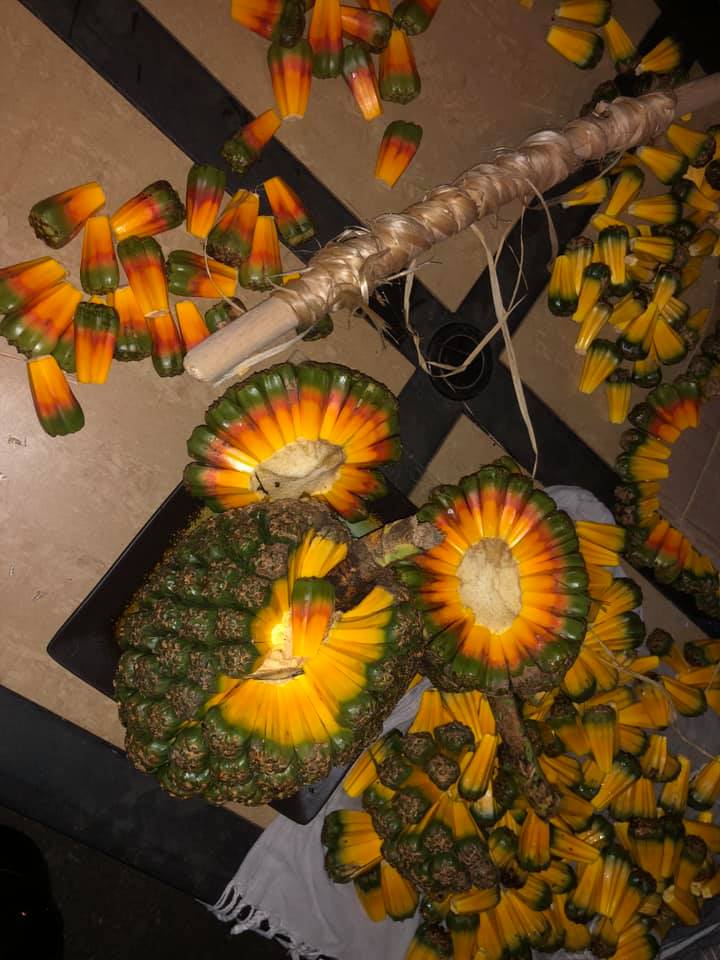
Distinctive Fruit: Produces large, segmented fruit clusters that develop green and may turn yellow, orange, or reddish as they mature, depending on the variety.
-
Unique Foliage: Features long, narrow, sword-shaped leaves arranged in spirals around the stems.
-
Landscaping Appeal: Suitable for tropical gardens, coastal landscapes, and spacious outdoor settings in warm climates.
-
Adaptable Growth: Established plants can tolerate salty coastal conditions and are often found in tropical island environments.
Growing Benefits
-
Adds a distinctive tropical appearance to suitable home gardens and landscapes.
-
Provides attractive foliage and unusual fruit clusters for visual interest.
-
Offers an opportunity to grow an interesting tropical plant from seed.
-
Can complement other tropical trees and ornamental plants in warm-climate gardens.
-
Makes a conversation-worthy addition to spacious landscapes with suitable growing conditions.
Seed Specifications
-
Common Name: Hala Fruit, Hala Tree, Screw Pine
-
Botanical Name: Pandanus tectorius
-
Plant Type: Tropical evergreen shrub or small tree
-
Colors: Green foliage; fruit color varies from green to yellow, orange, or reddish tones as it matures
-
Height: Can reach substantial tree-like proportions in favorable tropical conditions; mature size varies by environment.
-
Sunlight: Full sun to partial shade
-
Soil: Well-draining sandy or loamy soil
-
Water: Regular moisture while young; established plants tolerate some dry periods
-
Germination Time: Variable, depending on seed freshness, temperature, and preparation
-
Sowing Depth: Cover seeds lightly with a thin layer of suitable growing medium
-
Spacing: Allow generous space for mature foliage, spreading growth, and aerial roots
-
Growing Zones: Best suited to tropical, frost-free climates
-
Flowering/Maturity: Flowering and fruiting depend on plant maturity, growing conditions, and whether the plant is male or female
-
Uses: Tropical landscaping, coastal gardens, ornamental planting, and traditional uses in regions where the plant grows naturally
Growing Tips
-
Start with fresh, viable seeds from a reliable supplier for better establishment.
-
Use a warm, humid environment and a growing medium that drains freely.
-
Provide bright light while protecting young seedlings from harsh, drying conditions.
-
Transplant carefully when seedlings are established, leaving ample room for mature growth.
Seed Storage
Keep unplanted seeds in a clean container away from direct sunlight, excessive heat, and moisture. Seed viability can decline during prolonged storage, so follow supplier-specific instructions and sow fresh seeds when possible.
Unique Facts About Hala Fruit
-
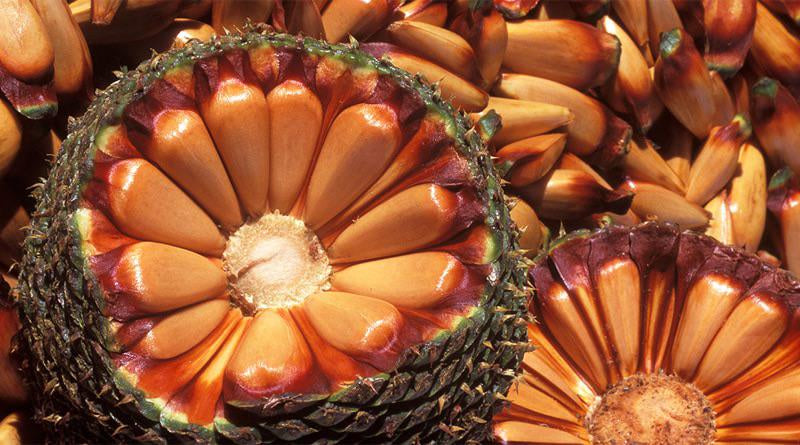
Distinctive fruit structure: Hala fruit develops as a large cluster of wedge-shaped sections, often resembling a pineapple from a distance.
-
Spiral foliage: Its long leaves grow in a spiral arrangement, giving the plant its characteristic architectural appearance.
-
Coastal adaptation: The species is well suited to many tropical coastal environments and can tolerate salty conditions.
-
Traditional importance: Hala plants have long provided useful leaves and other plant materials for traditional crafts and everyday uses across parts of the Pacific.