


Key Features
-
Grow Green Amla from seed for a rewarding fruit-tree gardening project
-
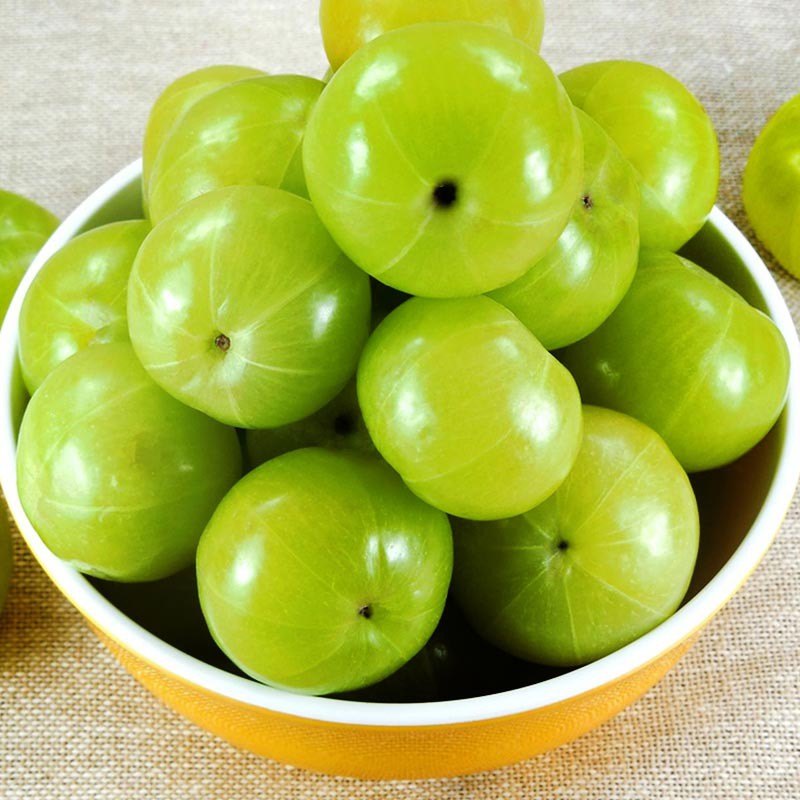
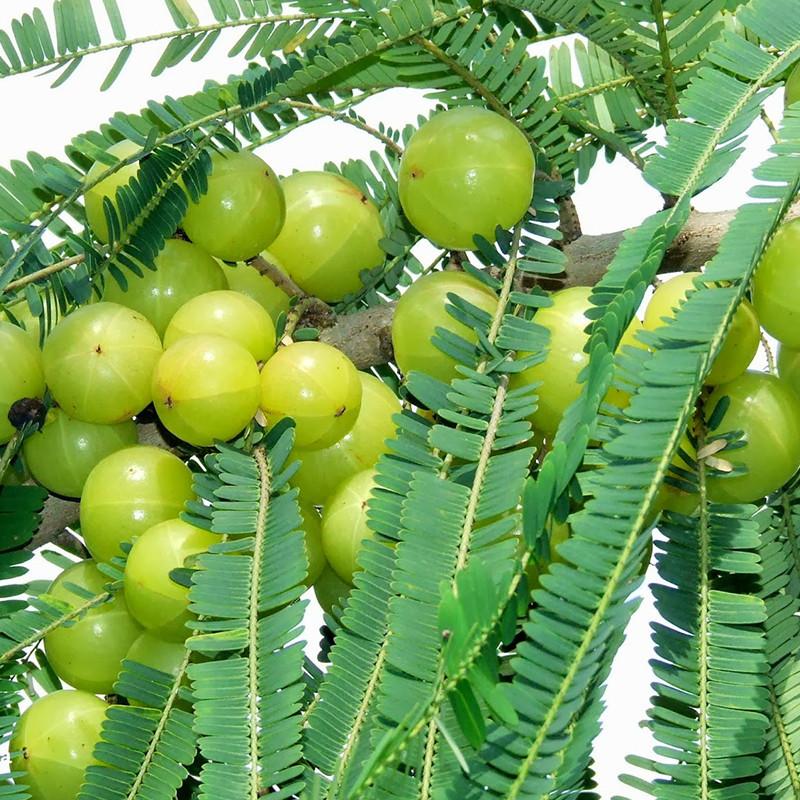
Attractive tree with fresh green foliage and rounded green fruit
-
Excellent choice for warm-climate gardens, orchards, and home landscapes
-
Interesting addition to tropical and subtropical fruit collections
-
Enjoy the rewarding process of raising a distinctive tree from seed
Growing Benefits
Green Amla, also known as Indian gooseberry, adds beauty and character to warm-climate landscapes. Its attractive foliage and rounded green fruit make it an appealing choice for home orchards and specialty gardens. Growing amla from seed offers gardeners a long-term project with the potential to develop a beautiful fruiting tree under suitable conditions.
Seed Specifications
-
Plant Type: Fruiting tree
-
Botanical Name: Phyllanthus emblica
-
Common Name: Amla / Indian Gooseberry
-
Fruit Color: Green to yellow-green
-
Garden Use: Home orchards, fruit gardens, warm-climate landscapes, and specimen plantings
Growing Tips
-
Choose a warm location with full sun for vigorous growth.
-
Use fertile, well-draining soil with good drainage.
-
Keep young seedlings consistently moist while they establish.
-
Protect young plants from frost and prolonged cold conditions.
Seed Storage
Store seeds in a cool, dry place away from direct sunlight and excess humidity. Keep them in an airtight container until ready for planting. Avoid prolonged exposure to heat and moisture to help maintain seed quality.
Unique Facts About Seeds
-
Amla is scientifically known as Phyllanthus emblica and is also called Indian gooseberry.
-
The tree is native to parts of tropical and subtropical Asia.
-
Amla fruits are typically round and green to yellow-green when mature.
-
The tree can develop into a long-lived woody plant in suitable climates.
-
Seed-grown amla trees may vary naturally and can take several years to reach fruiting maturity.