



Key Features
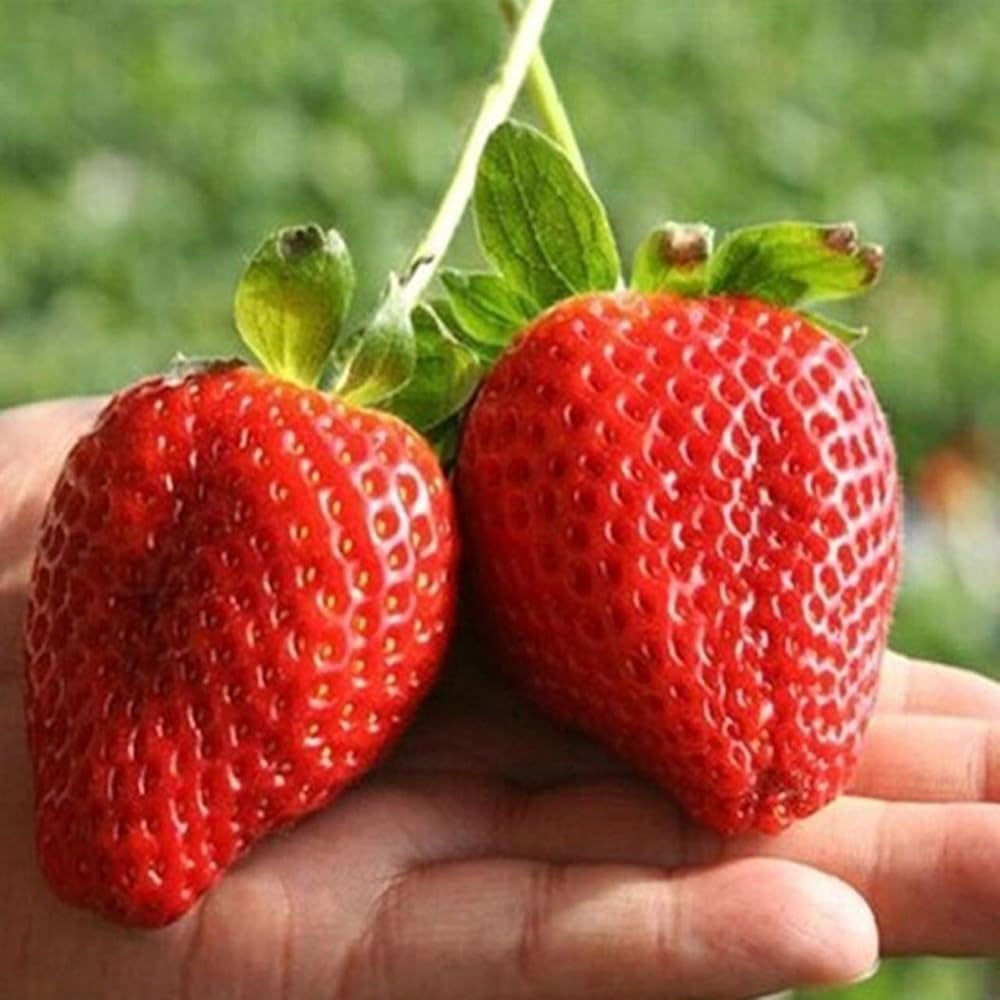
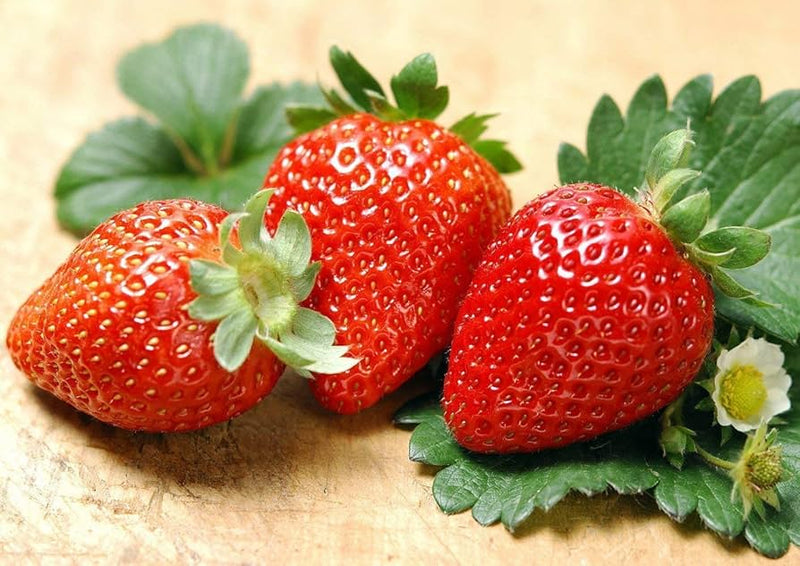
- Produces attractive strawberry fruits with classic red coloring.
- Heirloom garden variety for home fruit and edible gardens.
- Compact plants are suitable for garden beds, raised beds, borders, and containers.
- Ideal for fresh eating, desserts, fruit salads, jams, and homemade preserves.
- Performs best in fertile, well-drained soil with consistent moisture.
Growing Benefits
- Adds a classic homegrown fruit crop to the garden.
- Provides fresh strawberries for seasonal harvesting and recipes.
- Compact growth makes plants suitable for a variety of garden spaces.
- Works well in containers, raised beds, borders, and edible landscapes.
- A rewarding option for gardeners who enjoy growing strawberries from seed.
Seed Specifications
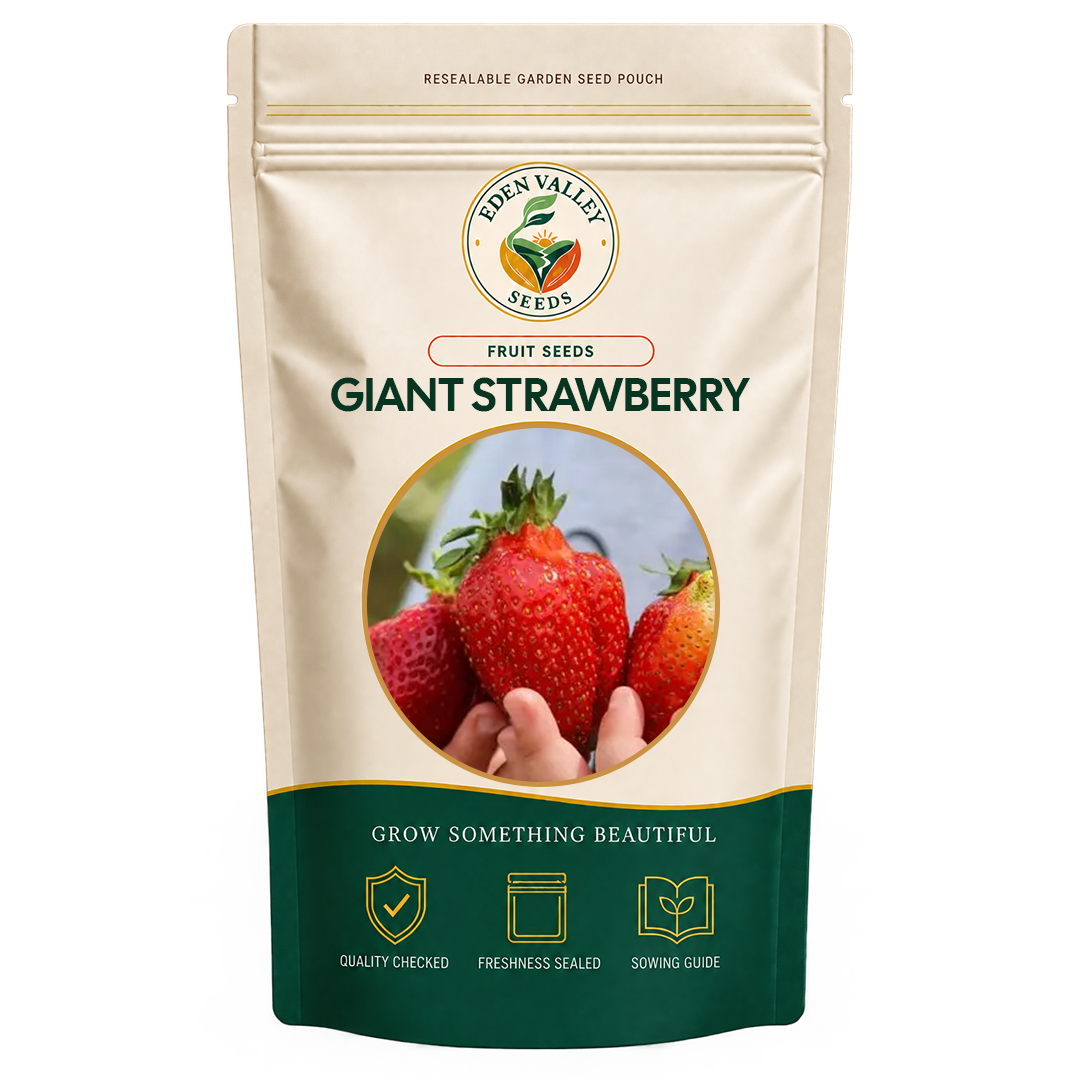
- Common Name: Giant Strawberry
- Botanical Name: Fragaria × ananassa
- Plant Type: Perennial fruiting plant
- Fruit Color: Red
- Fruit Shape: Conical to rounded
- Growth Habit: Compact and low-growing
- Flower Color: White
- Sunlight: Full sun to partial shade
- Soil: Fertile, loose, well-drained soil
- Water: Regular and consistent
- Germination Time: Approximately 14–30 days under favorable conditions
- Sowing Depth: Surface sow; press seeds gently into the growing medium
- Spacing: Approximately 8–12 inches between plants
- Growing Zones: Generally suitable for USDA Zones 3–9, depending on conditions
- Maturity: Fruit production varies according to growing conditions and plant establishment
- Uses: Fresh eating, fruit salads, desserts, jams, preserves, containers, raised beds, and edible gardens
Growing Tips
- Start seeds indoors in a fine, well-drained seed-starting mix.
- Scatter seeds over the soil surface and gently press them into the growing medium.
- Keep the growing medium evenly moist during germination.
- Provide bright light to developing seedlings.
- Transplant established seedlings outdoors after frost danger has passed.
- Choose a location with good sunlight, fertile soil, and adequate drainage.
Seed Storage
Store unused seeds in a cool, dry, dark location. Keep them sealed in their original packet or an airtight container away from moisture, heat, and direct sunlight.
Unique Facts About Seeds
- Fragaria × ananassa is the cultivated garden strawberry commonly grown for its familiar red fruits.
- Strawberries belong to the rose family, Rosaceae.
- The small structures visible on the outside of a strawberry are botanically called achenes.
- Strawberry plants can be grown in traditional beds, raised beds, containers, and edible borders.