


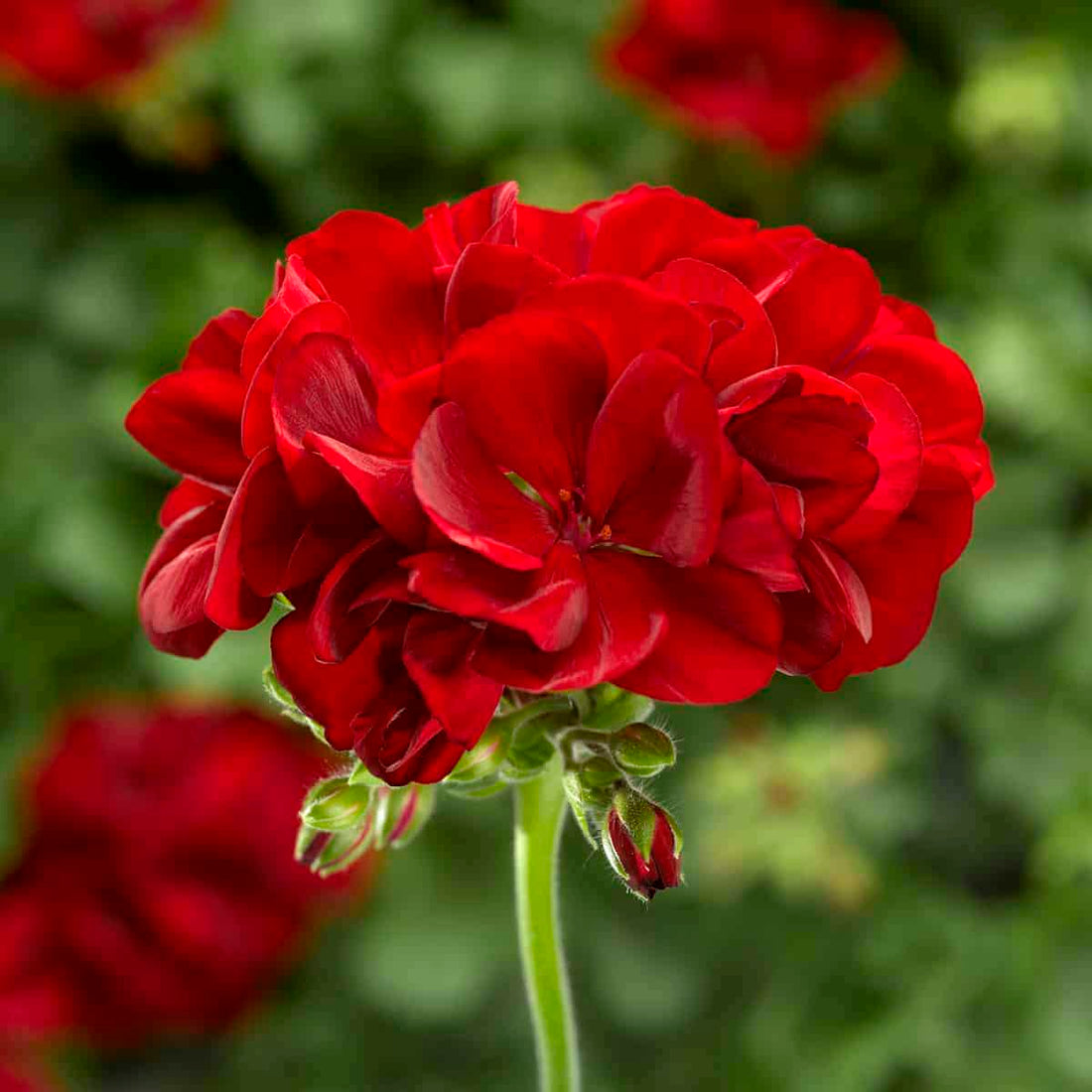
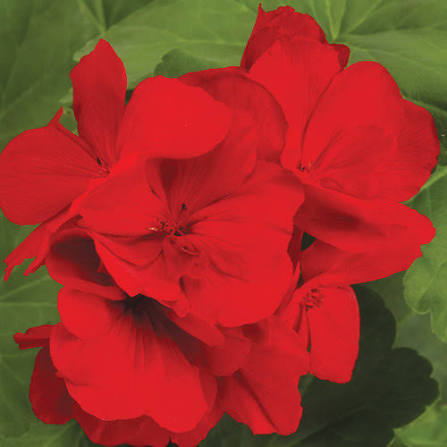
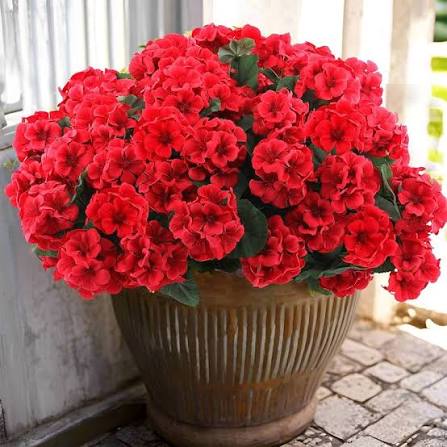
Grow Geraniums from heirloom non-GMO seeds for colorful blooms and attractive green foliage. Ideal for flower beds, borders, containers, cottage gardens, patios, window boxes, and seasonal ornamental displays.
Key Features
- Produces colorful flowers with attractive green foliage.
- Heirloom, non-GMO seeds for ornamental garden growing.
- Suitable for flower beds, borders, containers, patios, and window boxes.
- Adaptable to a range of garden and container settings.
- Performs best in fertile, well-drained soil with consistent moisture.
- Adds seasonal color and texture to home landscapes.
Growing Benefits
- Adds cheerful color to flower beds and garden borders.
- Compact varieties work well in containers and window boxes.
- Suitable for cottage gardens, patios, balconies, and mixed plantings.
- Attractive foliage complements the colorful flowers.
- Offers a versatile option for both outdoor and protected container displays.
Seed Specifications
- Common Name: Geranium
- Botanical Name: Pelargonium spp. or Geranium spp., depending on the seed type
- Plant Type: Herbaceous perennial or tender perennial, depending on species
- Flower Colors: Commonly pink, red, white, purple, or mixed shades depending on variety
- Flower Shape: Rounded clusters or individual five-petaled flowers, depending on species
- Foliage: Green, rounded, lobed, or divided leaves
- Growth Habit: Upright, bushy, spreading, or trailing depending on species
- Sunlight: Full sun to partial shade
- Soil: Fertile, loose, well-drained soil
- Water: Moderate; maintain consistent moisture without waterlogging
- Germination Time: Approximately 7–21 days under favorable conditions
- Sowing Depth: Approximately ⅛ inch
- Spacing: Approximately 8–18 inches depending on variety
- Growing Zones: Varies widely by species; many Pelargonium types are tender, while hardy Geranium species tolerate colder climates
- Flowering: Spring through fall, depending on species, climate, and planting time
- Uses: Flower beds, borders, containers, patios, balconies, window boxes, cottage gardens, and ornamental landscapes
Growing Tips
- Confirm whether your seed packet contains a Pelargonium or hardy Geranium species because growing requirements differ.
- Start seeds indoors 8–12 weeks before the last expected spring frost.
- Sow seeds shallowly in a light, well-drained seed-starting mix.
- Provide bright light after seedlings emerge.
- Keep soil evenly moist but avoid prolonged saturation.
- Pinch young Pelargonium plants when appropriate to encourage branching and fuller growth.
Seed Storage
Store unused seeds in a cool, dry, dark location. Keep them sealed in their original packet or an airtight container away from moisture, heat, and direct sunlight.
Important Growing Note
The common name “geranium” is used for plants in both the genus Geranium and the genus Pelargonium. These groups have different growth habits and hardiness. Confirm the botanical name on the seed packet before making species-specific growing claims.
Unique Facts
- True hardy Geraniums are commonly called cranesbills, while many garden “geraniums” belong to the genus Pelargonium.
- Geranium and Pelargonium flowers are valued for their wide range of colors and forms.
- Many Pelargonium varieties are popular container and window-box plants.
- Hardy Geranium species can be useful perennial additions to borders and cottage gardens.