


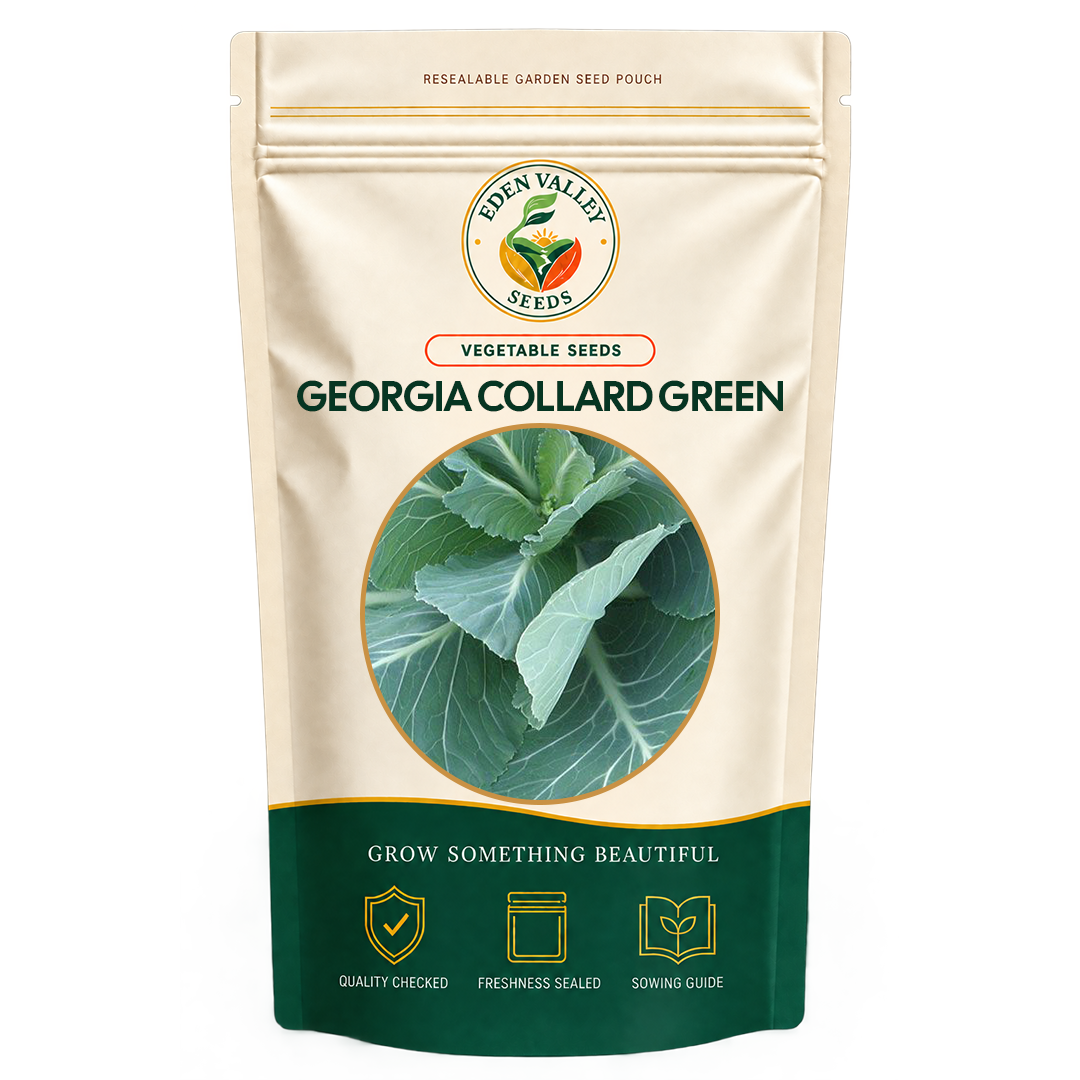

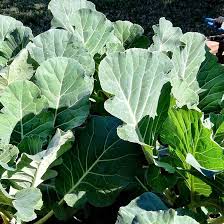
Grow Georgia Collard Greens from heirloom seeds for broad, tender green leaves and classic garden flavor. Ideal for home vegetable gardens, raised beds, containers, soups, sautés, cooked greens, wraps, and fresh seasonal harvests.
Key Features
- Produces broad, tender green leaves with a classic collard appearance.
- Traditional heirloom variety for home vegetable gardens.
- Well suited to cool-season spring and fall growing.
- Suitable for raised beds, containers, garden plots, and kitchen gardens.
- Leaves are versatile for soups, sautés, stews, wraps, and cooked dishes.
- Supports repeated harvesting by picking mature outer leaves.
Growing Benefits
- Provides fresh collard greens for home cooking.
- Adds lush green foliage to edible garden spaces.
- Suitable for both containers and traditional garden beds.
- Allows harvests over an extended growing period.
- A classic choice for gardeners growing traditional Southern-style greens.
Seed Specifications
- Common Name: Georgia Collard Greens
- Botanical Name: Brassica oleracea var. viridis
- Plant Type: Biennial, commonly grown as an annual
- Foliage: Broad, slightly textured green leaves
- Leaf Color: Deep green
- Growth Habit: Upright leafy plant
- Sunlight: Full sun to partial shade
- Soil: Fertile, loose, well-drained soil
- Water: Regular and consistent
- Germination Time: Approximately 5–10 days
- Sowing Depth: Approximately ¼ inch
- Spacing: Approximately 12–18 inches
- Growing Zones: Generally suited to USDA Zones 2–11 as a cool-season crop
- Maturity: Approximately 55–80 days, depending on growing conditions and harvest stage
- Uses: Cooked greens, soups, stews, sautés, wraps, side dishes, containers, raised beds, and vegetable gardens
Growing Tips
- Sow seeds directly outdoors during cool weather or start indoors before transplanting.
- Prepare fertile soil with good drainage and plenty of organic matter.
- Keep soil evenly moist during germination and early growth.
- Thin seedlings to provide enough room for broad leaf development.
- Harvest mature outer leaves while leaving the central growing point intact.
- In warmer climates, provide afternoon shade during periods of intense heat.
Seed Storage
Store unused seeds in a cool, dry, dark location. Keep them sealed in their original packet or an airtight container away from moisture, heat, and direct sunlight.
Unique Facts
- Georgia collard is a traditional Southern garden favorite known for its broad green leaves.
- Collard greens belong to the Brassicaceae family, along with cabbage, kale, broccoli, and mustard.
- The plants have an upright growth habit that makes harvesting individual leaves convenient.
- Cool weather can contribute to tender, flavorful collard foliage.